Why Har-Tru courts suit the Hamptons, and demand constant upkeep
Har-Tru fits the Hamptons’ heat and wind better than hard courts, but only if you keep brushing, rolling, watering, and storm cleanup on repeat.
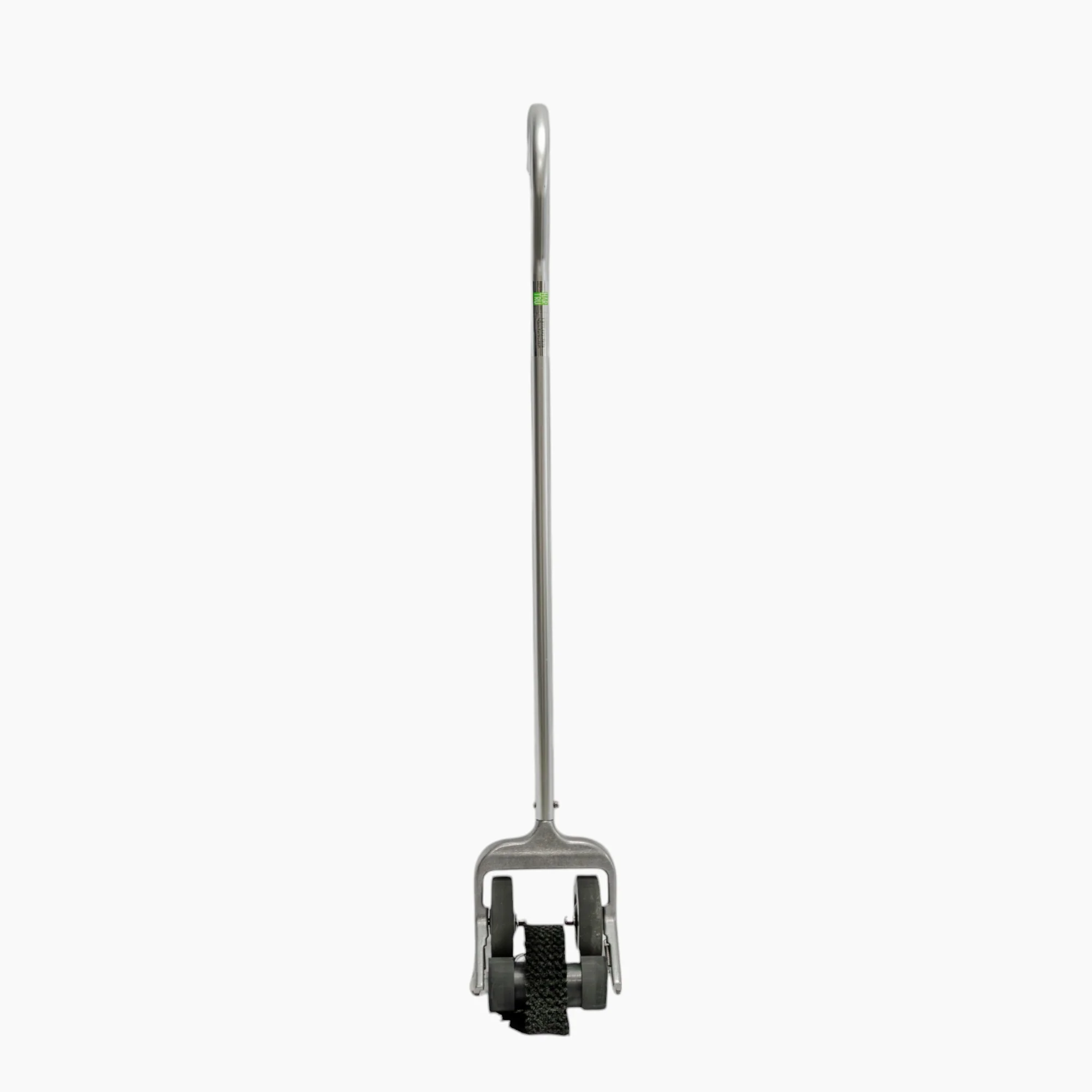
Har-Tru's Green surface remains 10 to 15 degrees cooler than hard courts. In the Hamptons, it also plays slower in summer heat and gives players the softer bounce many local players want, but coastal humidity, sand, salt air, and heavy traffic can turn a good court patchy fast.
Why Har-Tru works here
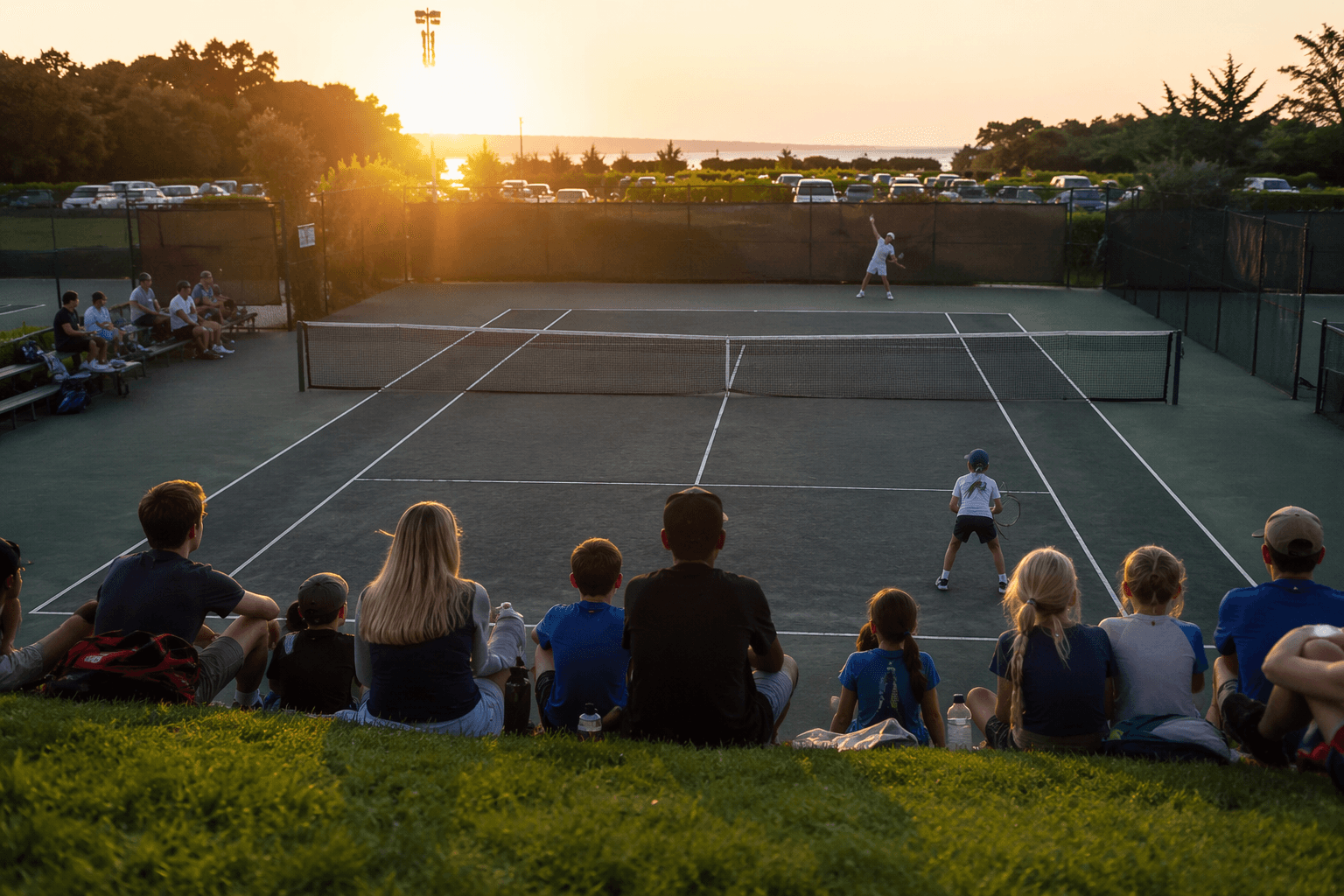
The local case for Har-Tru starts with comfort. The surface also gives you a slower pace and a softer landing, which many players prefer when summer play gets long and physical.
It is not just about feel, either. In a place where the visual standard is high and the playing season is concentrated, Har-Tru fits the Hamptons’ mix of performance and appearance better than most surfaces. A well-kept clay court looks right beside weathered cedar and beach grass; a neglected one shows every flaw.
What the coast does to a clay court
The trouble begins with the environment. Wind carries sand onto the surface, humidity changes drying times, and salt air can accelerate the maintenance problems that leave a court looking mottled instead of smooth. Summer traffic adds another layer of stress, because every match, clinic, and practice session grinds the surface a little harder.
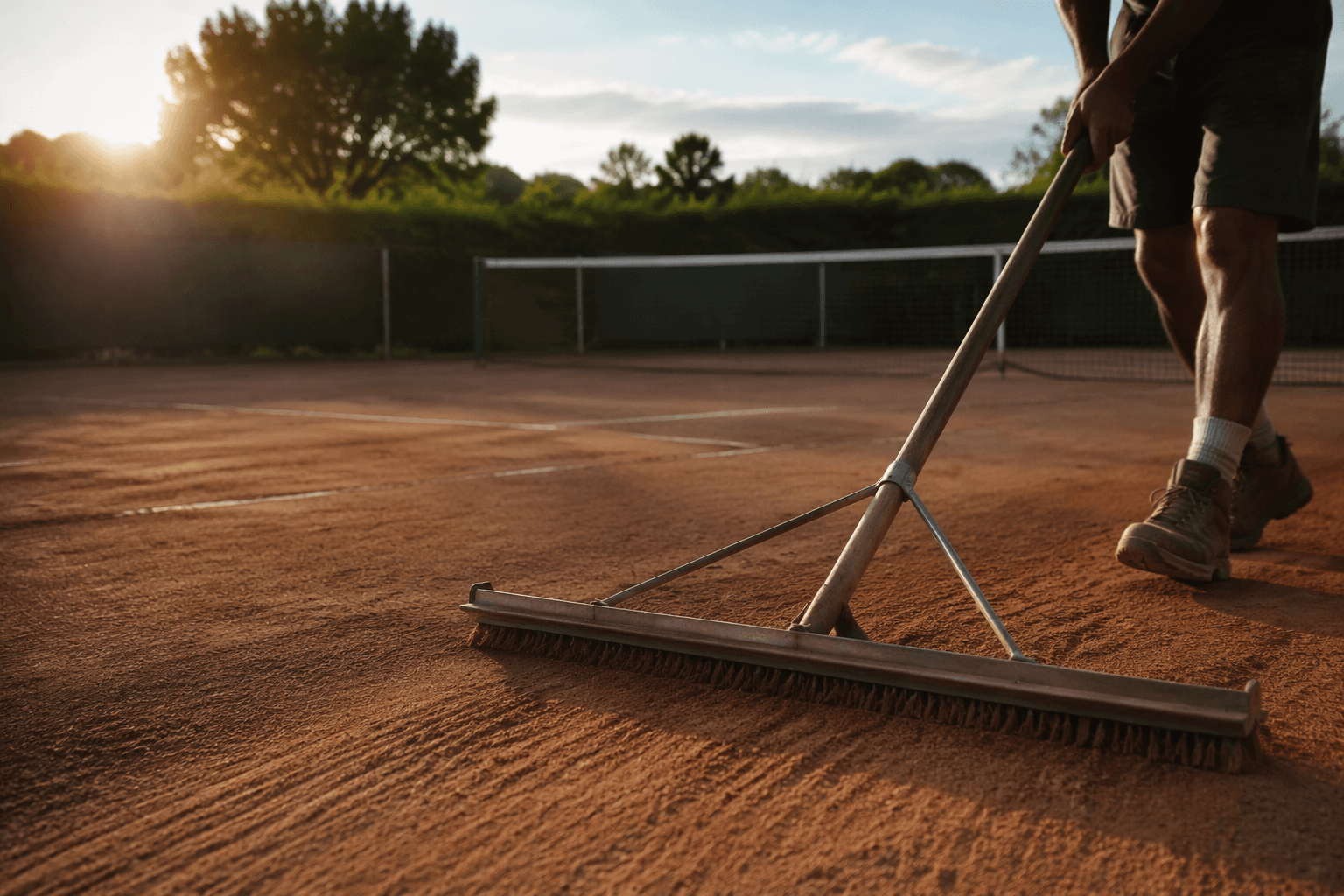
Player traffic, tennis balls, wind, and regular play crush particles into finer dust, compacting the surface and reducing playability.
Before peak season: reset the base, not just the look
The best Hamptons courts are usually managed on a calendar, not by reaction. Clay court care involves brushing, rolling, and watering, and daily and periodic maintenance is necessary to keep the court in optimal playing condition. Before the busiest weeks arrive, the goal is to make sure the top layer is even, the lines are clean, and the court drains the way it should.
A practical pre-season checklist looks like this:
- Brush the court so loose material is redistributed instead of building up in soft spots.
- Roll the surface to keep it level and consistent.
- Water to control dust and help the court hold together.
- Check the lines and keep them swept clean.
- Deal with low areas early, before they turn into recurring dead spots.
Once use goes beyond 2 to 3 hours, drag the court with a heavy bristle broom, sweep the lines, and water by hand or with a sprinkler system.
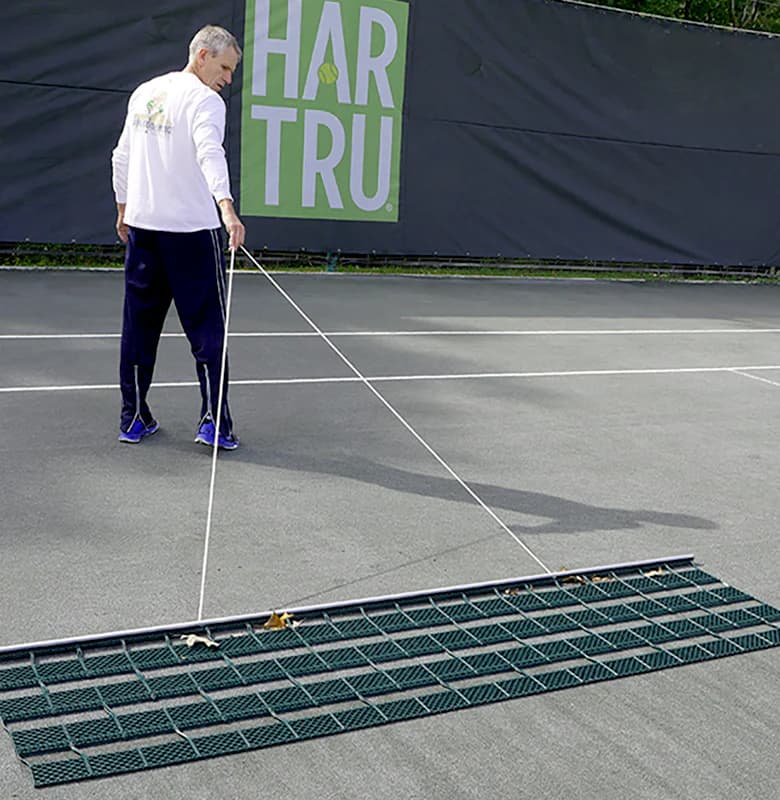
During high-traffic weeks: treat upkeep like part of the schedule
Once summer is in full swing, the court starts to tell you what it needs. Windy days leave sand and debris on the surface faster than a quick pass can clear it. Heavy use packs down the clay, and if you ignore dusting or loose material, bounce becomes less predictable and the court wears unevenly.
That is where weekly attention matters as much as daily attention. Removing built-up material at the low ends of the court and scarifying low areas both help keep the surface from developing the little failures that eventually become expensive ones. If play is constant, those jobs stop being cosmetic and start being structural.
At this stage, routine maintenance is still enough if the court is staying level, the top layer is consistent, and water is moving through properly. Once you are seeing persistent patchiness, compacted zones, or low ends that keep collecting material, the court needs more than upkeep. It needs repair work that is harder to ignore and costlier to delay.
After storms: restore the court before rushing back on it
Storms are where coastal properties feel the strain most sharply. Heavy rain can leave a court looking fine from a distance but still playing poorly if the top layer has shifted or the drainage has been disrupted. The first impulse is often to get back on court fast; the better instinct is to restore the surface correctly so it stays even.
That means checking for washout, settling, and low spots rather than just drying the top and hoping for the best. If the surface is dragged back into shape too late, the court can dry unevenly and keep those imperfections locked in. On a Hamptons property, that can mean more labor now and more repair later.
Why local clubs treat this as infrastructure
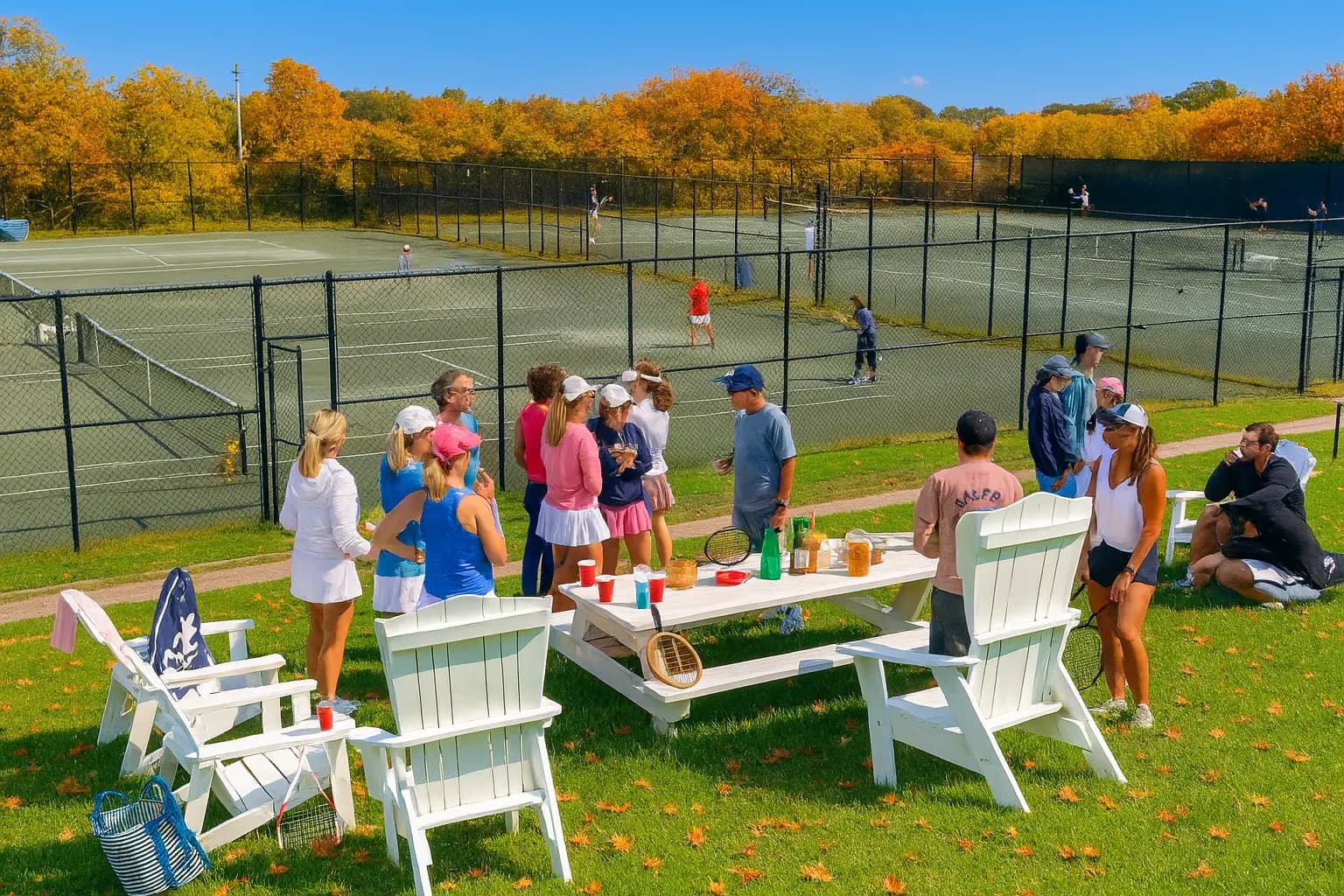
The East Hampton Tennis Club was established in 1969 and has 15 outdoor Har-Tru tennis courts, plus two year-round paddle tennis and pickleball courts and a clubhouse. Hampton Racquet has two red clay courts and eight Har-Tru Green Clay courts.
Old Tennis Services advertises Har-Tru and clay court openings and service in Quogue, East Quogue, Westhampton, Westhampton Beach, and Remsen, while Westhampton Beach Tennis and Sport advertises professional tennis court maintenance.
This article was produced by Prism’s automated news system from verified source data, official records, and press releases, then run through automated quality and moderation checks before publishing. The system is built and supervised by the people who set the standards it runs under. Read our full AI policy.
Did this article answer your question?