The Sims 4 Marketplace Hits Consoles, Sparking Monetization Backlash
The Sims 4 Marketplace reached PlayStation and Xbox, but the bigger story is Moola, a 30/70 split, and a console-first paid mod economy.
The question hanging over The Sims 4 Marketplace’s console debut is not whether PlayStation and Xbox players can buy more stuff. It is whether EA has turned creator content into a curated, paid mod economy that finally reaches the players who were locked out of PC’s open folder culture. EA said the Marketplace launched on consoles on April 16, 2026, after a phased rollout meant to keep stability and quality intact across platforms, and framed it as the first time console players could access community-created content through the game itself.
EA’s Marketplace now sells more than one kind of content at once. The store includes Maker Packs from approved Sims Makers, along with Expansion Packs, Game Packs, Stuff Packs, and Kits created by The Sims team. EA says the Maker Program lets custom-content creators publish officially, and the company pitches the Marketplace as a secure way to access content and a way for creators to work at a consistent pace. That pitch is doing a lot of work, because the economy underneath it is tightly controlled.
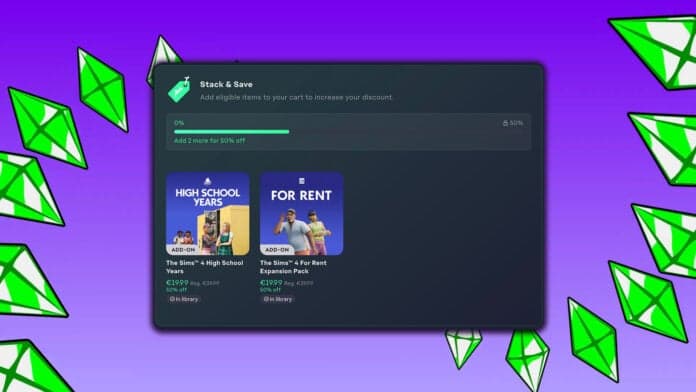
On consoles, Kits no longer have a simple cash price in the platform store. EA’s Moola page lists bundles of 200, 500, 1,000, 2,600, and 5,500 Moola, with 2,600 Moola priced at $24.99, and EA Help says Moola is the official virtual currency for Marketplace purchases of Maker Packs and Kits. Expansion Packs, Game Packs, and Stuff Packs still remain direct purchases, but the currency detour hits the Marketplace and Kits specifically. EA also says Moola does not transfer from PC to console, which means players who bounce between platforms are stuck with a fragmented wallet.

That fragmentation is exactly where the backlash lives. A reported creator revenue split of 30 percent to creators and 70 percent to EA has fueled concern that the system is built to monetize creator labor as much as support it. EA’s own language gives the Maker Program a friendlier gloss, but the numbers make the power dynamic plain: EA owns the storefront, sets the currency, and keeps the larger share.
The console rollout also exposed how quickly EA can shift the rules. After the launch, Kits returned to EA App and Steam storefronts on PC, while consoles kept the Moola-only route. EA says console versions already include Kits in the game files, so only Marketplace Maker Packs take up download storage. For console players who have spent years outside the modding mainstream, the Marketplace is more than a new shop. It is a test of how far official monetization can go before The Sims community decides the convenience is not worth the cost.
This article was produced by Prism’s automated news system from verified source data, official records, and press releases, then run through automated quality and moderation checks before publishing. The system is built and supervised by the people who set the standards it runs under. Read our full AI policy.
Did this article answer your question?