The Sims 4 support shifts to stability as creators exit program
EA is leaning on stability for The Sims 4 while creator perks change and The Sims Mobile has already been taken offline.
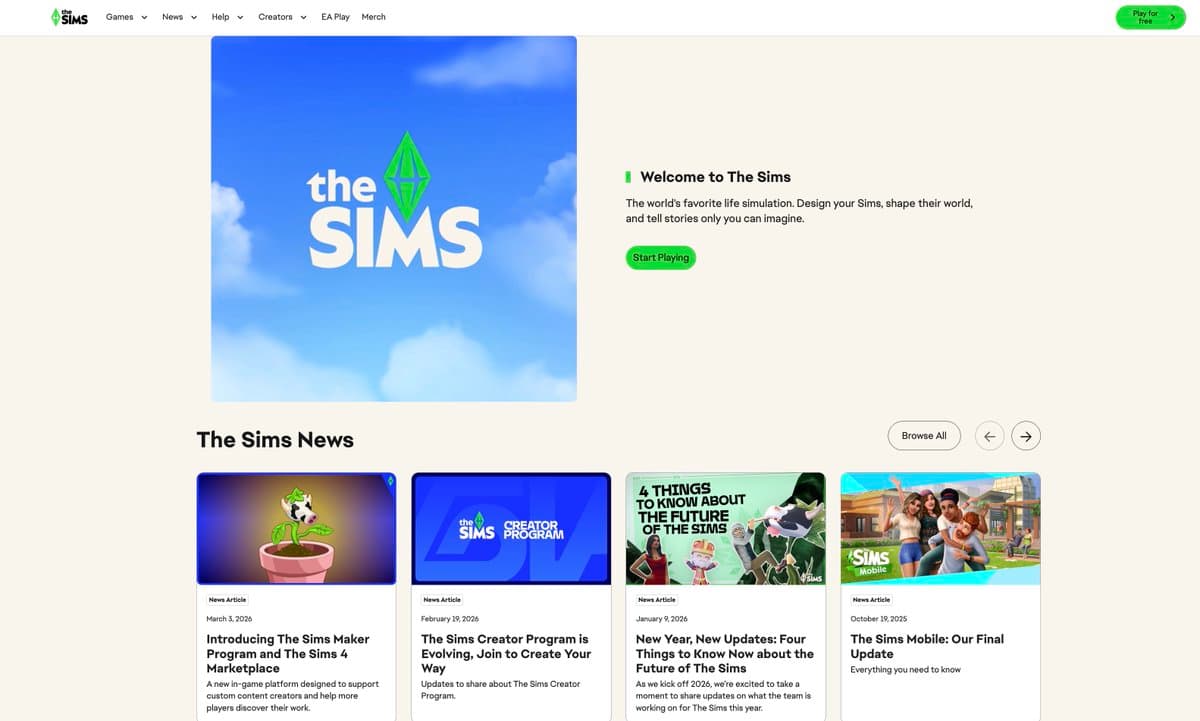
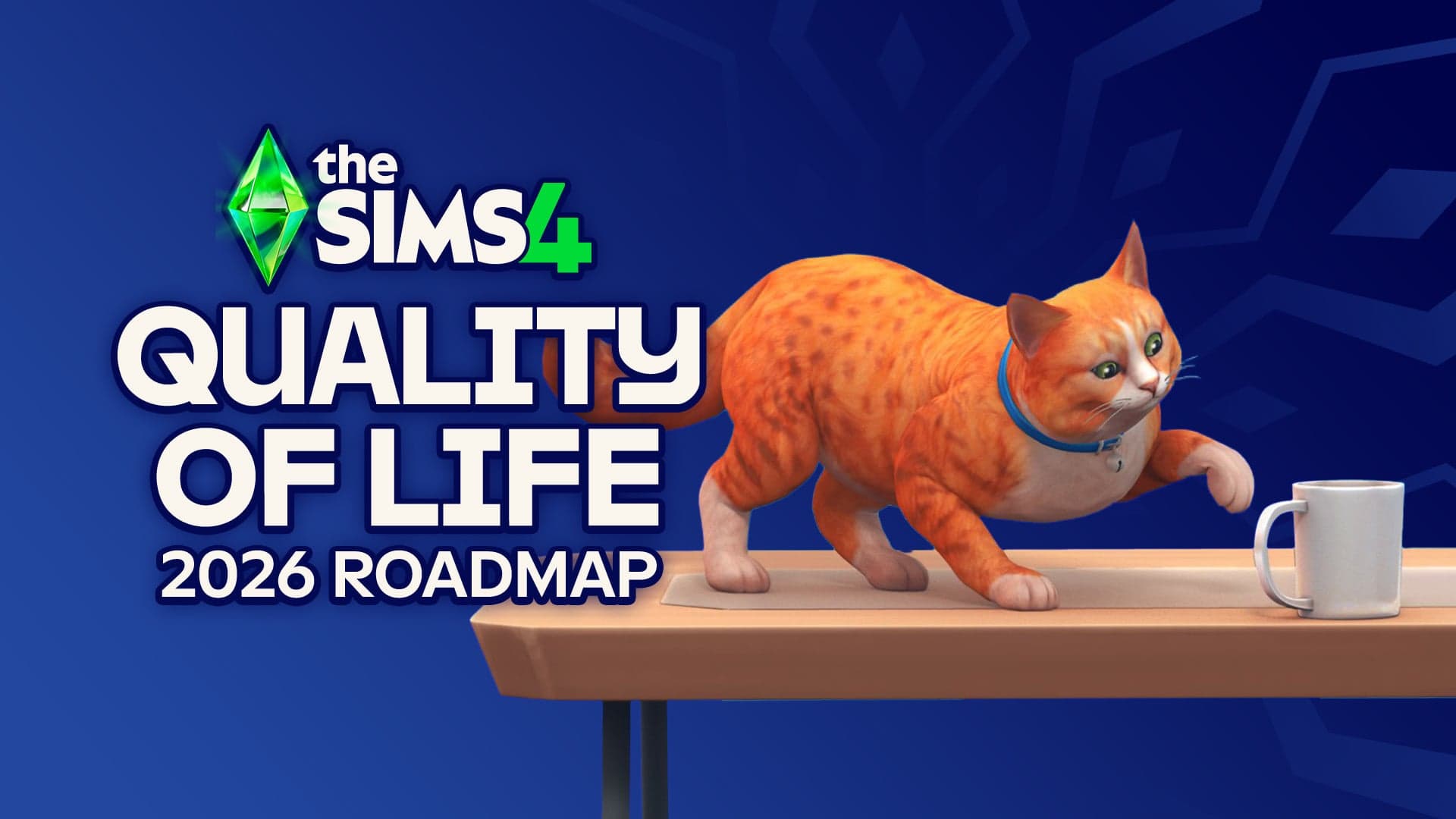
For active Sims players, the clearest signal is not a shiny successor but a slower, steadier game. EA said playtesting would continue across multiple Sims products and experiences in 2026, including limited market tests and The Sims Labs, and then followed with a February 24 roadmap that put reliability and fewer issues at the center of The Sims 4 support.
EA has not used the phrase “maintenance mode” in its own posts, but the pattern is hard to miss. The Sims 4 still shows as online on EA’s support page, yet the public emphasis has shifted toward stability, performance and long-running bug fixes rather than a new numbered sequel. EA’s January 6 Laundry List and its January 13 patch, which added free Coach assets alongside bug fixes, reinforced that the company is still chasing top-voted problems, but within a narrower lane.
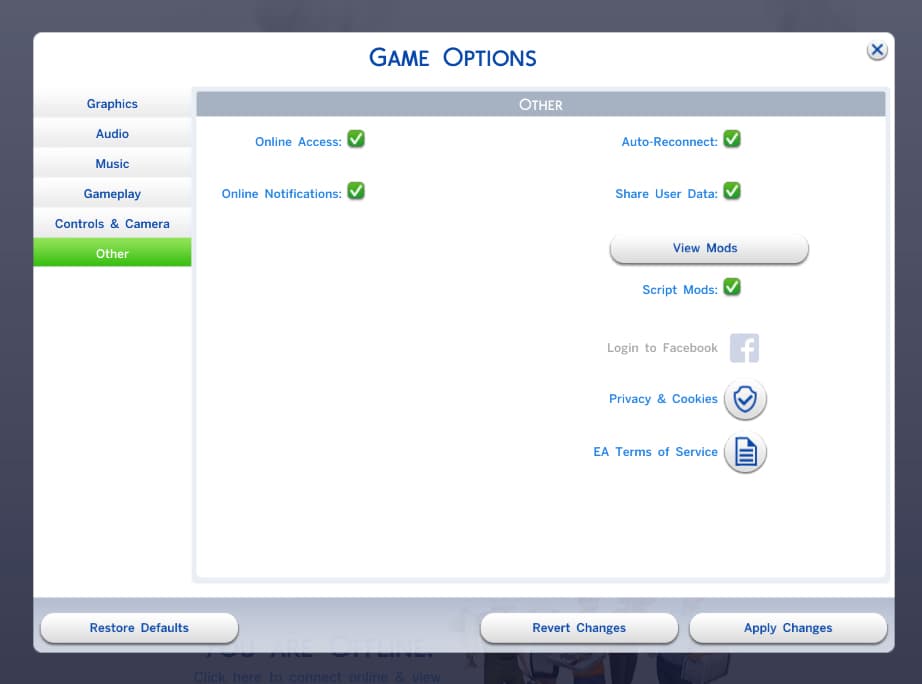
That matters for anyone treating a save like a long-term project. If you are building legacy households, juggling mods, or sinking money into packs, the practical question is no longer whether EA is about to reset the whole franchise. It is whether the live game stays dependable enough to protect the time already invested in it. A stability-first roadmap suggests fewer dramatic swings and more patience, especially for players who care about whether a household, neighborhood or challenge run will survive the next patch.

The creator side of the ecosystem is changing just as visibly. On February 19, EA expanded The Sims Creator Program and said it would welcome more creators and play styles while keeping perks like early access, free game codes, Discord access, Support-A-Creator commissions and collaboration opportunities. Then, on March 3, EA introduced The Sims Maker Program and The Sims 4 Marketplace, where approved creators can sell Maker Packs in-game using a virtual currency called Moola. EA says applicants must pass a technical evaluation and submit two examples of their work before joining.
That shift raises a different kind of player impact. If major creators are exiting the program, the community loses part of the pipeline that shapes builds, trends and discovery around the game. At the same time, EA is building a more formal storefront inside The Sims 4, which could pull some attention and revenue away from the looser custom content economy players have relied on for years.
The sharpest reminder of where the franchise is headed came with The Sims Mobile. EA said on October 19, 2025 that the game would receive its final update, that it would be delisted from the Apple App Store and Google Play Store on October 21, 2025, and that servers would shut down permanently at 1:59 PM UTC on January 20, 2026. EA later made all Build Mode and CAS items free on January 6, after describing the game as a seven-year run with more than fifty updates. Put together, the message is clear: The Sims is not stopping, but its center of gravity has moved toward keeping the current world stable rather than promising a clean break to something new.
This article was produced by Prism’s automated news system from verified source data, official records, and press releases, then run through automated quality and moderation checks before publishing. The system is built and supervised by the people who set the standards it runs under. Read our full AI policy.
Know something we missed? Have a correction or additional information?
Submit a Tip.png%3Fcb%3D1781929838&w=1920&q=75)