2026 tiny-house builder guide helps buyers verify before signing
The safest tiny-house purchase starts with legal classification, financing, and support, not finishes. PERCH’s shortlist pushes buyers to verify every builder claim before signing.
A tiny-house purchase can turn on HUD Data Plates and HUD Certification Labels, not just finishes. A builder can look perfect on a mood board and still be wrong for your lot, your lender, or your local inspector. A shortlist built around verification matters more than one built around style.
Why this shortlist is built for buyers, not dreamers
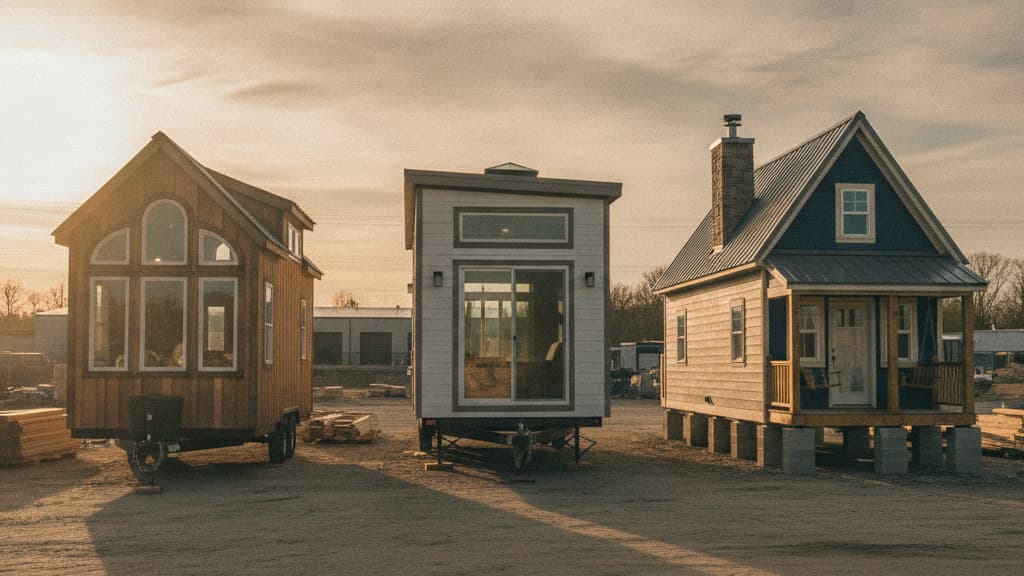
PERCH’s 2026 builder guide is organized as an operator’s shortlist rather than an endorsement of one company. In this market, glossy branding can blur the line between a wheeled tiny house, a park model, and a foundation-built cottage. A builder that is strong in one lane may be a poor fit in another, so the useful question is not simply who makes a nice-looking home, but who can deliver the right home for the right legal and financing path.
Grouping builders by category, and not pretending every company can do everything, gives buyers a way to compare real tradeoffs: mobility versus permanence, speed versus customization, and low entry price versus long-term livability.
Start with the legal category, not the finishes
The first filter is size and classification. In Georgia, tiny houses are generally 400 square feet or less, excluding lofts, and fall into four buckets: recreational vehicles, manufactured or mobile homes, residential modular industrialized buildings, and site-built dwellings. Classification changes how the home is permitted, inspected, and sometimes even whether it can be placed where you want it.
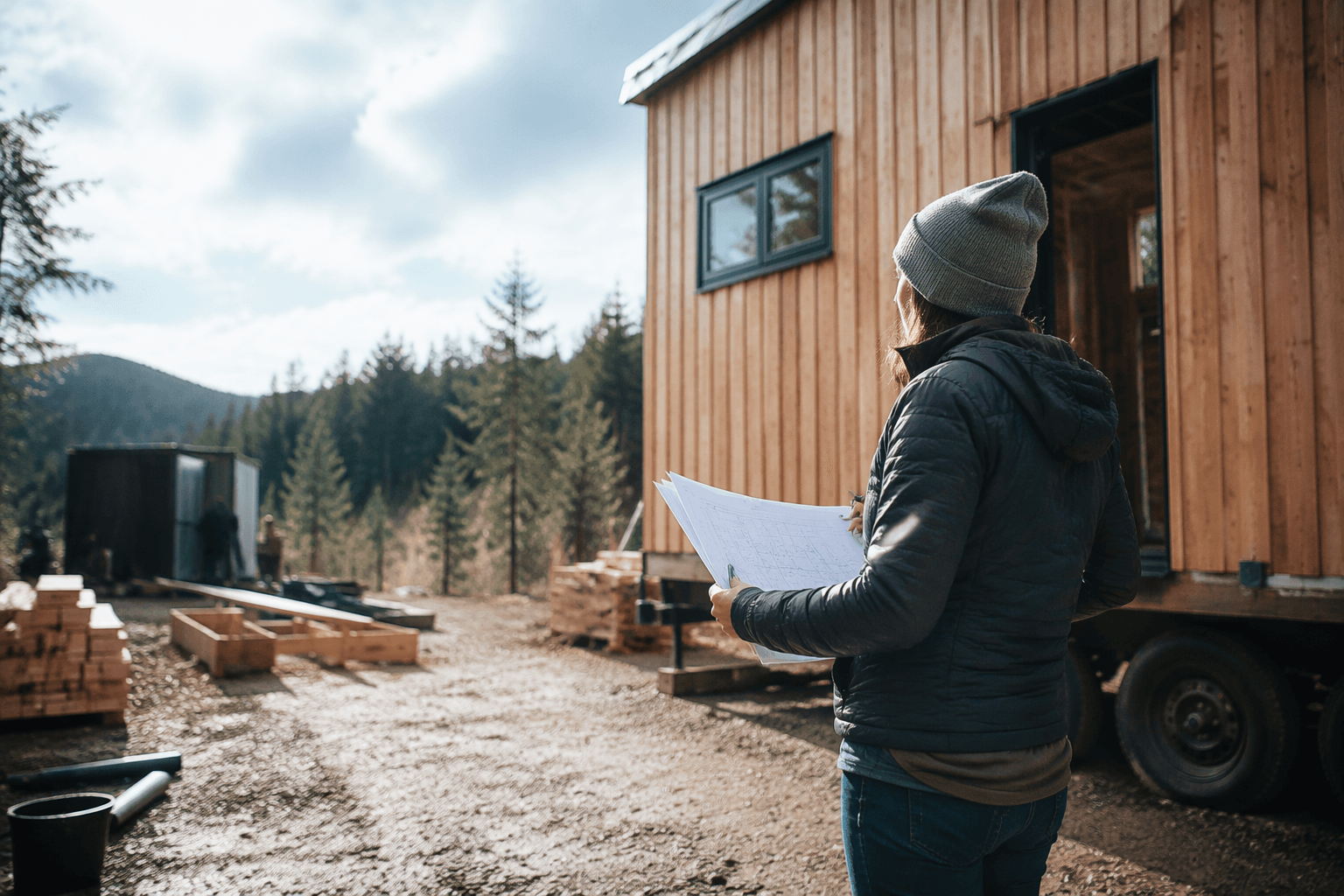
In Idaho, tiny homes and park models are generally under 600 square feet. The state also draws a hard line between a tiny home on a foundation and one on a chassis: once the home is placed on a foundation, Idaho treats it the same as a modular home for permitting and inspection. The same floor plan can land in very different regulatory lanes depending on how the builder designs and delivers it.
Check the financing lane before you order
Financing follows the classification, not the Instagram caption. Fannie Mae defines a manufactured home as a dwelling unit built on a permanent chassis, attached to a permanent foundation system, and evidenced by a HUD Data Plate and HUD Certification Label(s). Manufactured-home loans must be underwritten through DU, which makes the financing process tied to a very specific documentation trail.
Manufactured homes can provide a lower-cost alternative to site-built homes, and Fannie Mae’s manufactured housing product materials show that it invests in this market as part of its affordable-housing mission. FHFA has also published material on Fannie Mae and Freddie Mac support for manufactured housing. If a builder cannot explain how its homes align with lender requirements, that is a warning sign before any deposit changes hands.
Use the shortlist to stress-test the builder
A builder list only becomes useful when it helps you ask sharper questions. In this market, the details that protect a buyer are the ones that sit behind the brochure: pricing transparency, certification, delivery timing, support after install, and whether the home can actually meet financing-eligible standards.
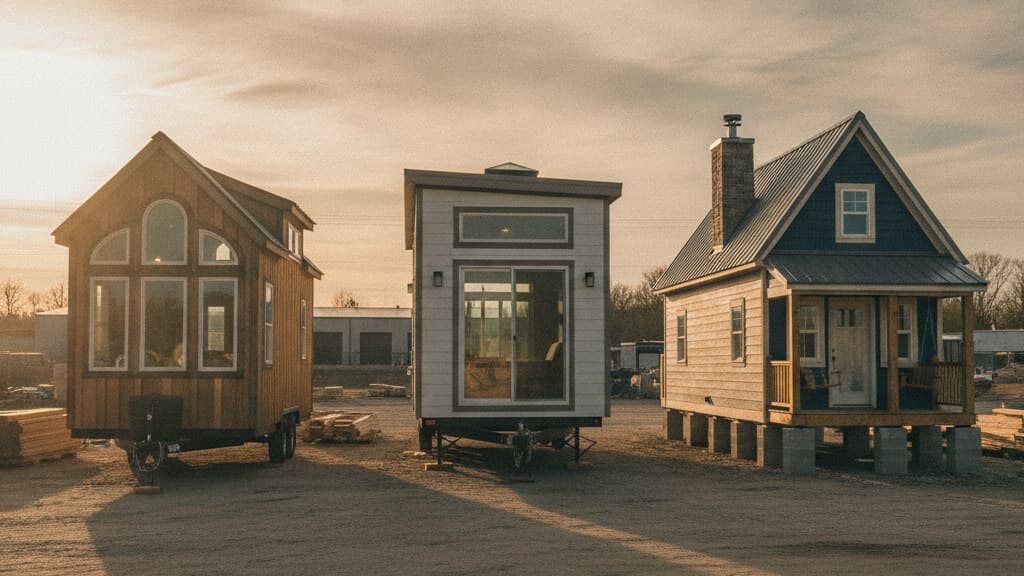
A practical builder check looks like this:
- Which category does the company actually build for: recreational vehicle, manufactured home, modular home, site-built dwelling, or park model?
- What paperwork comes with the home, including HUD Data Plates and HUD Certification Labels if it is marketed as a manufactured home?
- If the home is going on a foundation, does the builder know how that changes permitting and inspection in the state where it will sit?
- What exactly is included in the quoted price, and what gets added later for transport, setup, or site-related work?
- How specific is the delivery timeline, and what happens if the schedule slips?
- What after-sale support exists once the home is delivered and installed?
- Does the model fit the lender’s standards for the financing path you plan to use?
What a good shortlist should reveal about a builder
Tiny-house construction now spans several different markets at once. Some builders are focused on lifestyle builds and mobility. Others are closer to permanent small-home construction, where the home behaves more like a conventional dwelling. Still others sit in the middle, building hybrid products that look tiny-house-adjacent but depend on whether the unit stays on a chassis or lands on a foundation.
A builder can be excellent at fast delivery and still weak on code familiarity. Another may offer a more durable shell but less help with the paperwork that gets a unit through permitting or financing.
This article was produced by Prism’s automated news system from verified source data, official records, and press releases, then run through automated quality and moderation checks before publishing. The system is built and supervised by the people who set the standards it runs under. Read our full AI policy.
Did this article answer your question?