California funds 30-unit tiny-home village for homeless families in Santa Barbara County
California put more than $11.7 million behind a 30-home village on a former parking lot in Goleta Valley, aiming it squarely at homeless families with children.
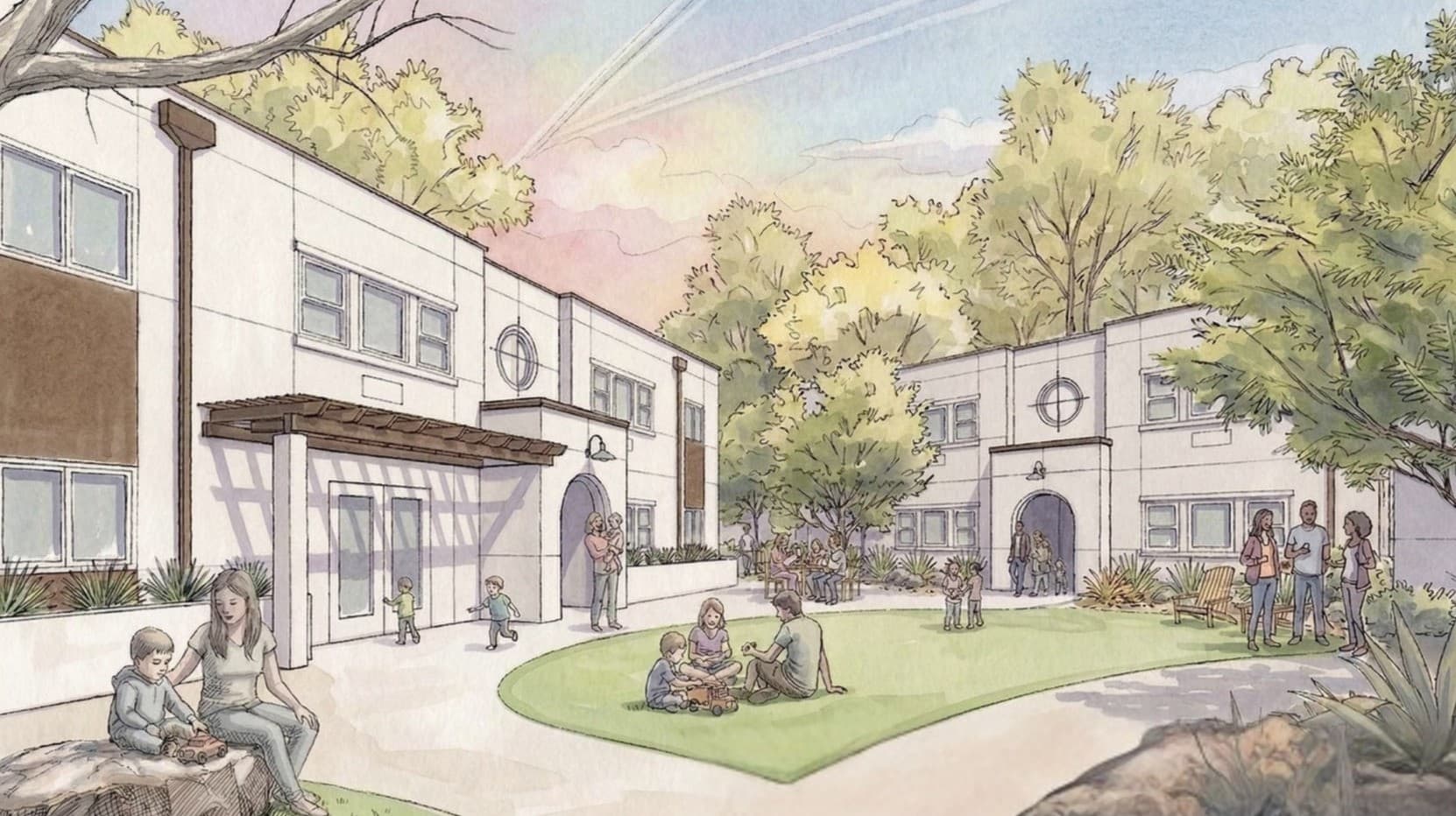
California put just over $11.7 million behind a 30-home tiny-house village in Santa Barbara County, and the money comes with a clear accountability test: can a county-owned overflow parking lot become permanent housing for families with children?
The project, called the Calle Real Family Village, is planned for the Calle Real campus in eastern Goleta Valley. Unlike the short-term village model many tiny-house advocates know well, this one is being built as permanent supportive housing. Each home is slated to include a kitchen, bathroom, bedroom and living area, a layout meant to give families the privacy and daily function that communal shelter settings often do not.
The state award came through Homekey+, which has so far allocated $858.8 million to 50 permanent supportive housing projects statewide, creating 2,471 affordable homes, including 620 reserved for veterans. The larger funding stream is tied to Proposition 1, a $6.4 billion behavioral-health bond, with $2.25 billion routed through Homekey+ to pair housing with services. For Santa Barbara County, the grant is only part of the bill. DignityMoves said $9 million of the state money will pay for construction and $2 million will support wraparound services, while the nonprofit has already raised $5 million for construction and plans to raise another $2 million for services. The total project cost is estimated at $14.5 million.
The village is aimed first at homeless families with children, and local leaders are treating that distinction as the point. County materials and DignityMoves point to a difficult backdrop, including a child-poverty rate they say is the highest in California and a county homelessness count that relies on more than 400 community volunteers. Santa Barbara County’s 2024 Point-in-Time Count credited more than 450 volunteers, and the count tracks people in shelters, transitional housing, streets, vehicles, abandoned properties and other places not meant for human habitation.

DignityMoves already has three housing communities on County of Santa Barbara land: Santa Barbara Street Village with 34 units, Hope Village in Santa Maria with 92 units, and La Posada in unincorporated South Santa Barbara County with 84 units. Those projects add up to 210 units and have helped establish the nonprofit’s public-land model in the county. This new village, though, is the first in that local run to be framed so explicitly as permanent family housing rather than an interim stopgap.
County Supervisor Laura Capps said the project is about kids and about delivering housing quickly enough to change lives. DignityMoves founder and CEO Elizabeth Funk said the village is meant to offer stability, healing and a path forward. State housing secretary Tomiquia Moss framed the award as part of a broader push to pair affordable homes with supportive services. The Women’s Fund of Santa Barbara has already added $125,000 toward a childcare center for the site, another sign that the project is being built around family life, not just a roof.
The real measure now is whether the former overflow lot at Calle Real can do what tiny-home villages are increasingly being asked to do in California: prove that small homes on public land can become lasting homes, with enough privacy, services and permanence to keep families there.
Know something we missed? Have a correction or additional information?
Submit a Tip

