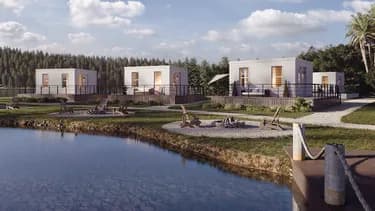
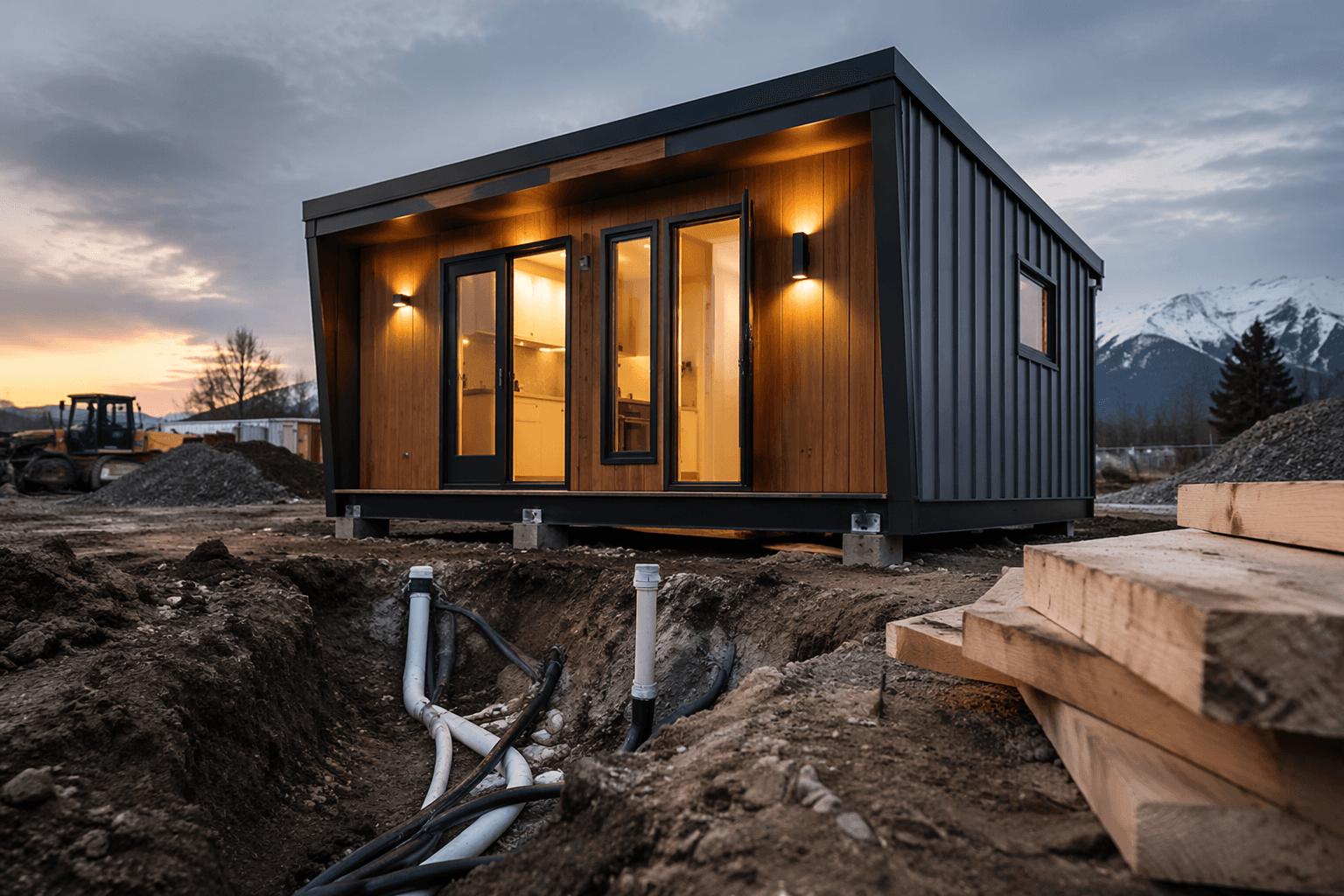
Craft House’s Françoise Tiny Home Blends Bright Design, Road-Ready Functionality
Craft House’s Françoise packs two sleeping zones, a full bath, and road-approved mobility into 8.4 meters, making tiny-house living feel far less compromised.
A tiny home that refuses the usual tradeoffs
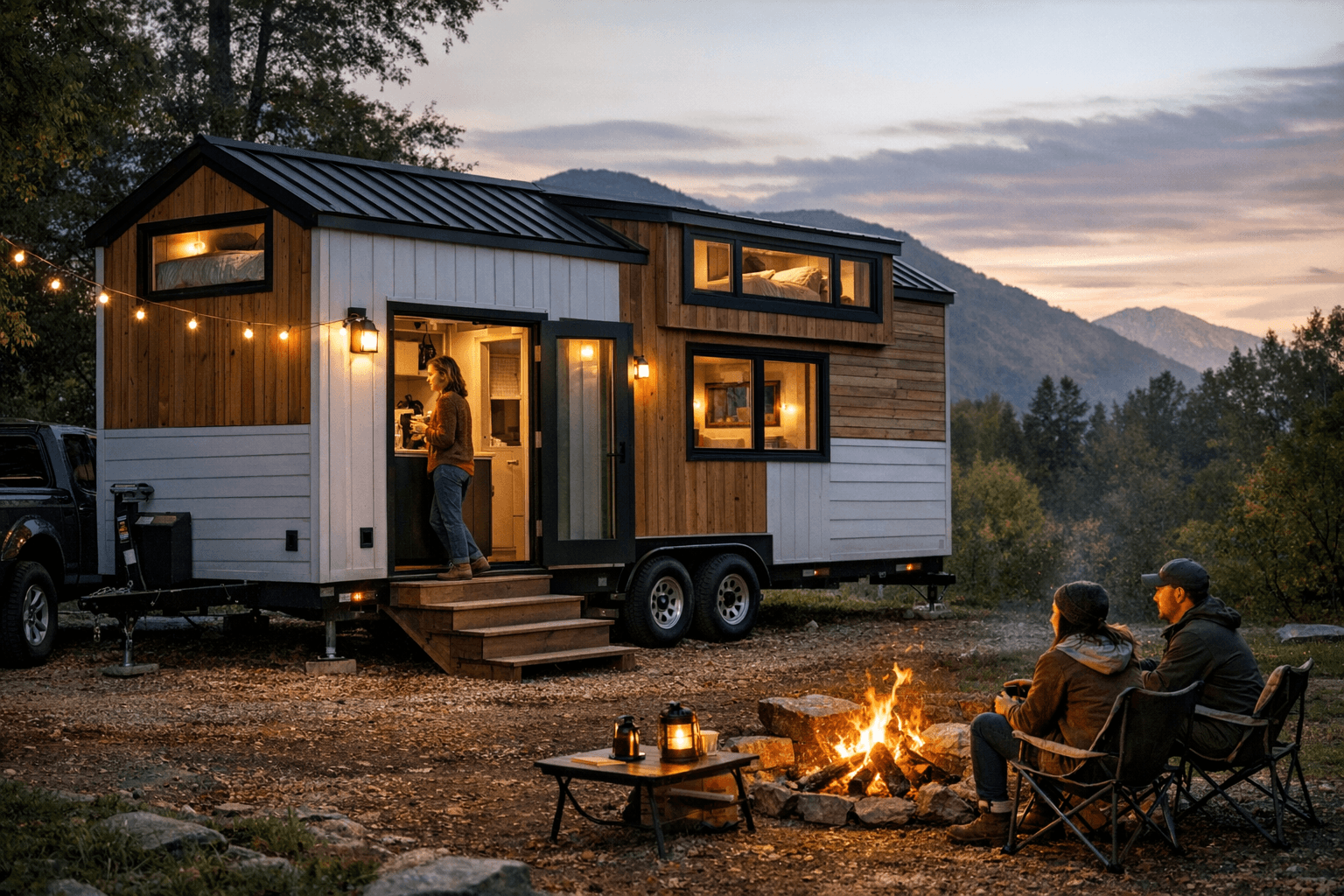
Craft House’s Françoise makes a strong case for the kind of tiny house buyers keep asking for but rarely find in one package: bright, towable, and genuinely livable through the seasons. At 8.4 meters long and 2.5 meters wide, with a roof ridge height of 4 meters, it fits the compact footprint tiny-house shoppers expect, yet it avoids the usual feeling of sacrifice that comes with going small.
That matters because the Françoise is not just styled to look good in photos. It has road-traffic approval, a year-round usable layout, and the internal planning of a real residence rather than a weekend shell. In a market where many small homes still ask buyers to choose between mobility, comfort, and space, this one pushes for all three at once.
Two sleeping zones change the way the home works
The biggest difference is the way the layout opens up daily life. Françoise is organized into four distinct rooms: a living room with kitchenette, a bathroom, a bedroom, and a mezzanine. That structure is a real shift from the loft-only formula that dominates much of the tiny-house world.
The result is a two-bedroom tiny home in practice, with one sleeping zone on the ground floor and another upstairs in the lofted area. That creates a different kind of household possibility, because the home can support a couple who wants separate sleep spaces, a small family looking for privacy, or a full-time resident who wants a guest bed without giving up the main bedroom. In a category where buyers often settle for one sleeping area and a ladder, that second zone feels like a genuine upgrade.
Light, materials, and the feel of a finished home
Françoise leans hard into brightness, and that is part of why it reads as more substantial than a decorative compact build. The combination of double-glazed windows, a gable roof, and the room layout gives the interior a more open, airy quality than many tiny homes manage. Instead of feeling boxed in, the home is presented as a place where the light can actually work for the space.
The material choices support that same effect. Craft House uses Scandinavian spruce inside, with thermo pine and aluminum standing seam metal on the exterior. That combination gives the home a distinctly European finish, one that balances warmth indoors with tougher weather-ready cladding outside. It also positions the Françoise closer to a compact residential build than a novelty trailer.
The equipment list makes the difference
What really separates this model from more stripped-back tiny homes is the standard equipment package. Françoise comes with a sink, induction hob, oven, fridge, bathroom fixtures, stair cupboards, a 220V electrical installation, smart air conditioning, and underfloor heating. That is an unusually complete list for a compact towable home, and it explains why the model feels less like a cabin and more like a turn-key living solution.
The heating and power setup are especially important for anyone thinking beyond occasional use. Underfloor heating and smart air conditioning make the layout more credible for year-round occupancy, while the 220V electrical installation gives the home a more residential baseline. Add the built-in storage in the stair cupboards, and the design starts to answer one of tiny housing’s oldest complaints: compact homes often look clever until the daily logistics begin.
A premium price for a more complete package
Françoise is priced at $50,000, or 212,000 PLN, which places it firmly in the premium segment of the tiny-home market. That number matters because the model is not trying to compete as the cheapest way to get on wheels. It is selling a more finished proposition, one that bundles design, mobility, and comfort into a single build.
For buyers, that changes the comparison. Instead of weighing a lower-cost shell against months of outfitting, the Françoise arrives closer to a finished home. The optional extras also widen its appeal, including photovoltaic panels, terrace furniture, and custom interior finishes. Those add-ons reinforce the idea that this is meant to function as a primary residence, a seasonal home, or a high-comfort retreat rather than a bare-bones experiment.
Why this fits the European tiny-home moment
The timing is no accident. Tiny-home demand is growing across Europe as housing costs rise and sustainability concerns push more people toward flexible, smaller living. At the same time, the regulatory picture remains complicated, with country-by-country differences in permits, building rules, environmental legislation, and road-transport requirements shaping what buyers can actually do.
That is why road-traffic approval is such a valuable part of Françoise’s pitch. It gives the home a level of everyday credibility that purely decorative small-space concepts cannot match. In practice, it makes the unit easier to imagine as a real, movable dwelling that can be placed, towed, and used with fewer compromises.
The larger story also reaches back to the roots of the movement itself. Jay Shafer says he began building a very small house on wheels in 1997 and completed it, along with his book, by summer 1999. He is widely credited as a pioneer of the modern tiny-house movement in the United States, and that early work helped set the stage for today’s more sophisticated market, where builders are now blending mobility, comfort, and serious design language.
What Françoise says about where tiny homes are headed
Françoise is a clear example of how far the category has moved. It is small, but not simplistic; mobile, but not flimsy; and designed to feel like a real home across all four seasons. The two-bedroom setup, natural light, road-ready practicality, and complete equipment list make it especially relevant for buyers who want more than a minimalist retreat.
That is the deeper appeal here. Françoise points toward a version of tiny living that can finally support a broader range of households without forcing them back into the same old compromises.
This article was produced by Prism’s automated news system from verified source data, official records, and press releases, then run through automated quality and moderation checks before publishing. The system is built and supervised by the people who set the standards it runs under. Read our full AI policy.
Did this article answer your question?