Homeless 2 Home pitches tiny houses as permanent housing solution
Mark Gaellis used a brunch presentation to pitch tiny homes as permanent housing for veterans, seniors, and people experiencing homelessness, not just emergency shelter.
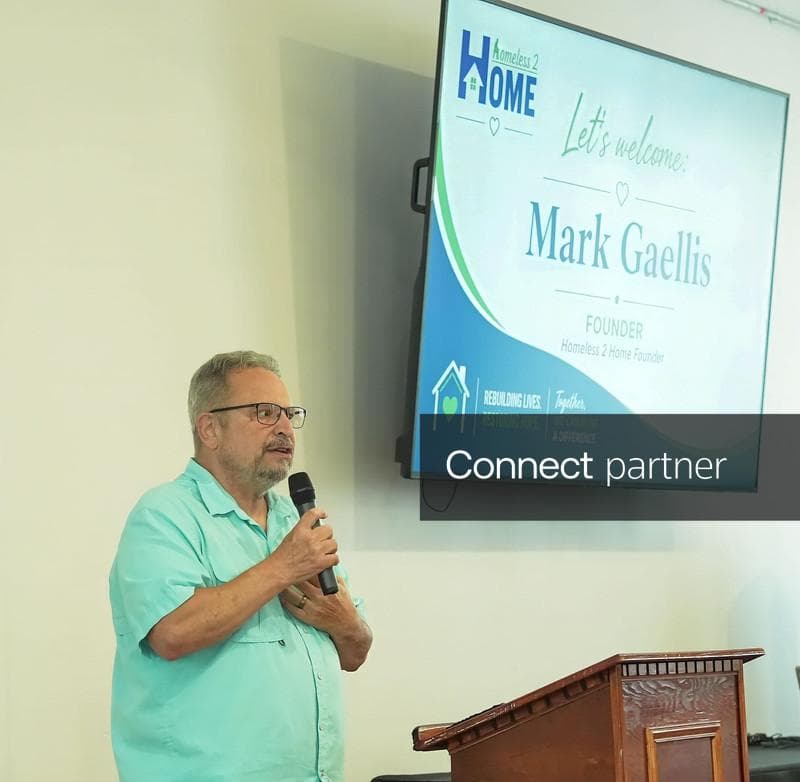
Mark Gaellis, founder of Homeless 2 Home, spoke with attendees during a brunch event about tiny homes as a permanent housing option for people experiencing homelessness. The pitch pushed past the familiar shelter narrative and treated small-footprint housing as a longer-term place to live, not just a stopover after street living or temporary placements.
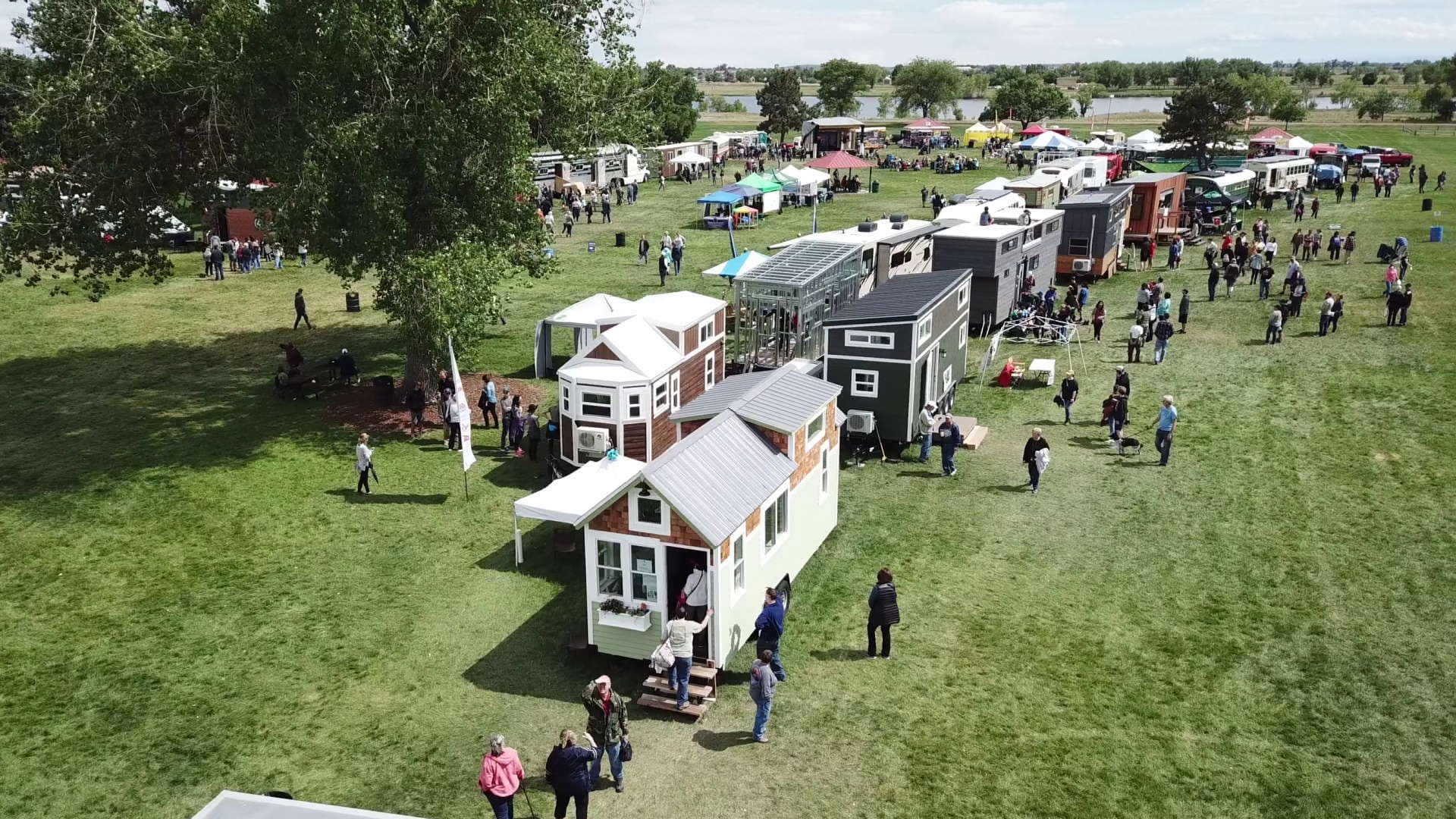
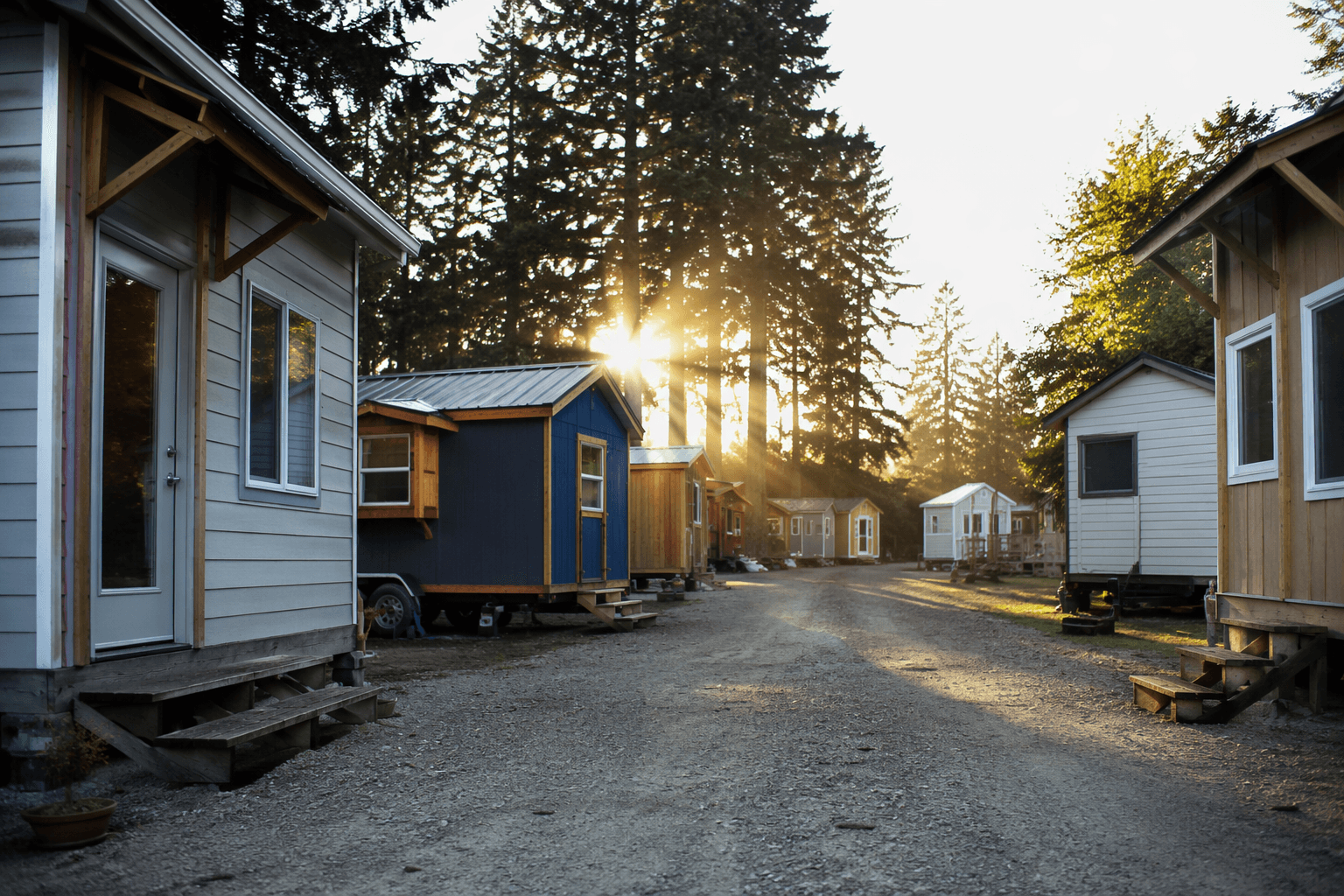
Homeless 2 Home is presenting itself as a 501(c)(3) developing a tiny home village for low-income veterans and seniors, with the stated goal of preventing homelessness and housing insecurity. Its public message is aimed at East Central Florida communities, where the group says people can benefit from “proven models of Alternative Housing” already shown in places like Emerald Village in Eugene, Community First Village in Austin, and Springfield. That framing matters because it places the project in a lineage of permanent or semi-permanent village-style developments rather than in the more familiar world of novelty tiny homes on trailers.
The broader policy test is whether tiny homes can move from a compelling idea to a housing system that local governments will actually approve and support. The Urban Institute’s August 2020 paper, Implementing Tiny Homes as Permanent Supportive Housing, examined early lessons from Housing First Village in Bozeman, Montana, while the National Alliance to End Homelessness has warned that tiny homes still raise “big questions.” USC’s Center for Health Journalism has also asked whether tiny homes really work as a solution to homelessness, underscoring the same issues this kind of project has to answer: who runs the village, what services come with the units, who gets selected, and whether the model can be sustained at scale.
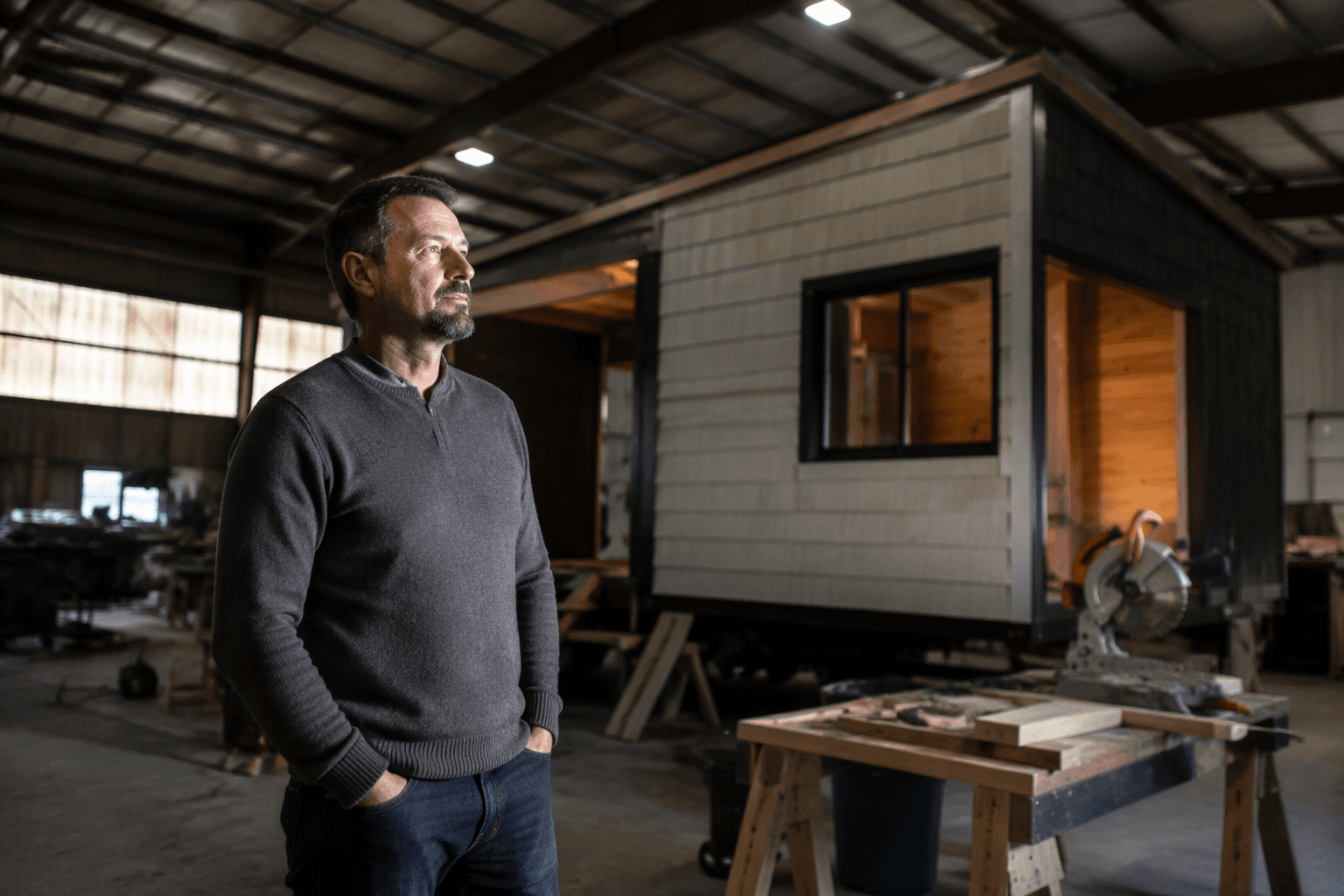
Several cities have already tested versions of the idea. Seattle began opening sanctioned tiny-house villages in 2015, and the Licton Springs village was reported as the first sanctioned village there that did not require sobriety. It was also the first Seattle tiny-house village to be shut down when its two-year permit expired. In Los Angeles, the city opened its first tiny home village with 39 prefab units for interim housing and services. In Harrisburg, Pennsylvania, Eden Village planned 32 one-bedroom tiny homes and a community center for services, with the Greater Harrisburg Association of Realtors pledging $75,000 to fully sponsor one home.
That is the real question hanging over the brunch presentation: whether Homeless 2 Home is building a replicable housing path with sites, services, and permits that can hold up outside one room of supporters, or whether it remains a persuasive presentation in search of the approvals and funding that turn tiny homes into lasting homes.
This article was produced by Prism’s automated news system from verified source data, official records, and press releases, then run through automated quality and moderation checks before publishing. The system is built and supervised by the people who set the standards it runs under. Read our full AI policy.
Did this article answer your question?