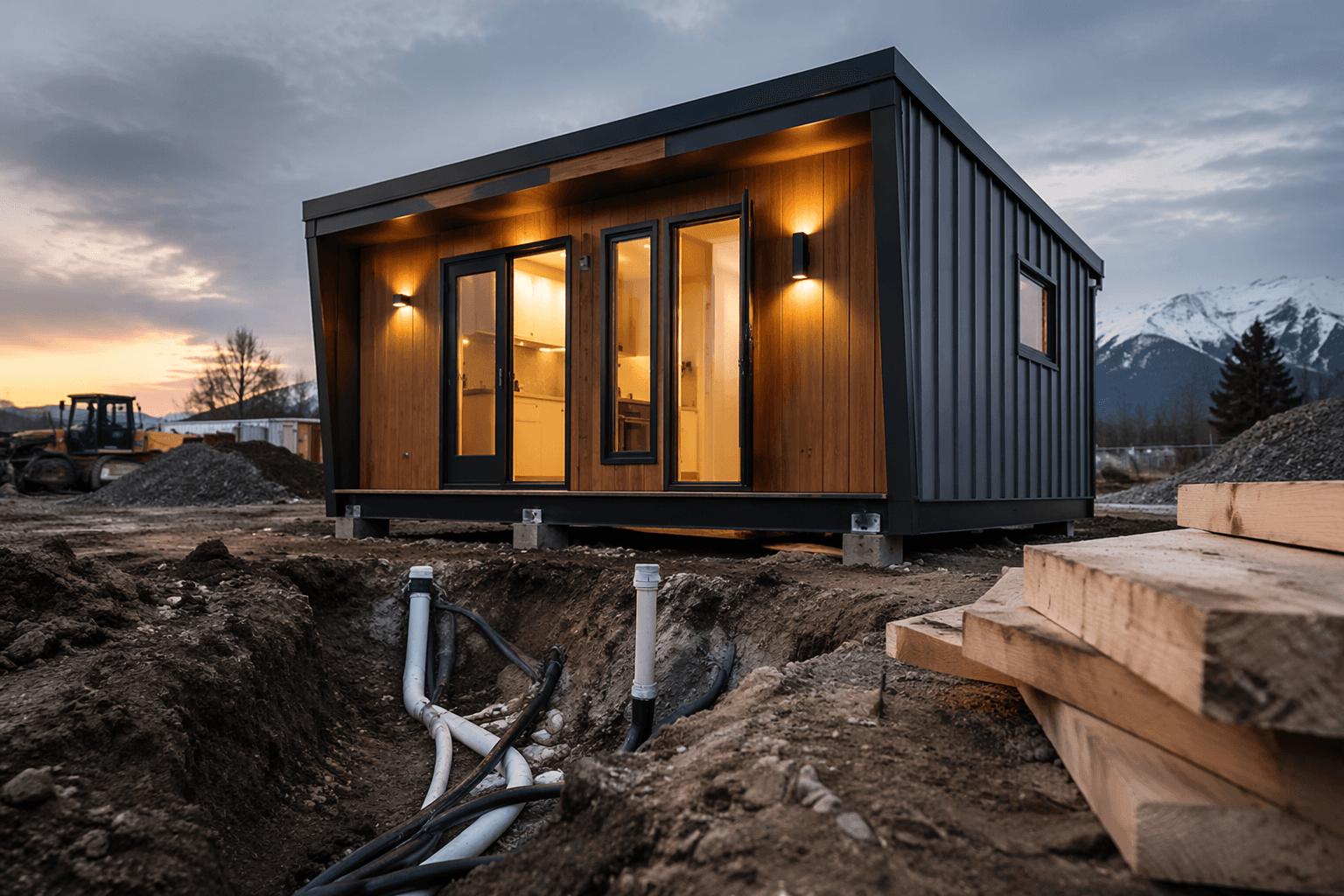
NYC Launches ADU Tools, Financing to Add 25,000 Homes
25,000 backyard homes are now on NYC’s map as the city rolls out ADU tools, financing, and pre-approved plans for owners ready to build.

25,000 new homes is the number now attached to New York City’s ADU push, and the city finally put real tools behind it. Homeowners can now use the new ADU for You site, a guidebook, a pre-approved plan library, site-feasibility analysis, and cost-estimating tools, while the reopened Plus One ADU program offers eligible owners low- or no-interest loans, construction financing grants, and technical support through Restored Homes HDFC.
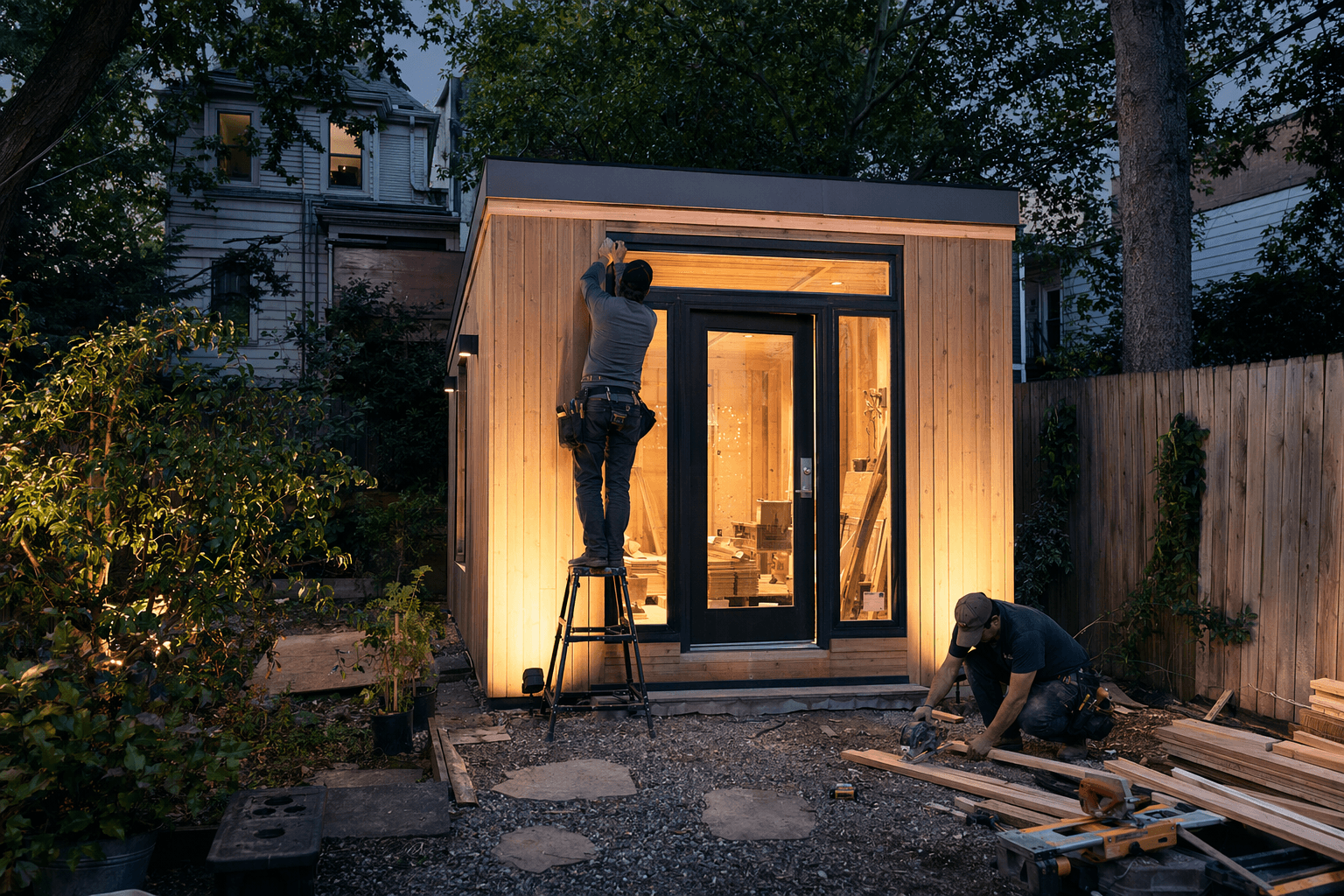
The rollout matters because it turns backyard cottages, attic conversions, cellar apartments, and other small-footprint homes from a concept into a path that some owners can actually follow. City officials said the program is aimed especially at low-density neighborhoods, where one- and two-family homes now have a clearer route to legal ADUs under the rules enacted in December 2024 through Local Laws 126 and 127. Those rules cover attic, basement, cellar, detached, and attached units, but they still leave owners to navigate building code and flood-zone restrictions.
The financing is the other big unlock. Plus One ADU can provide up to $395,000 in support and technical assistance, a scale that could make a real difference for homeowners trying to add a unit for family, create rental income, or age in place without leaving the block. The city said the first Plus One ADU launch drew more than 1,300 submissions in two weeks before applications closed in February 2024, a sign of how much pent-up demand has been sitting just below the surface.
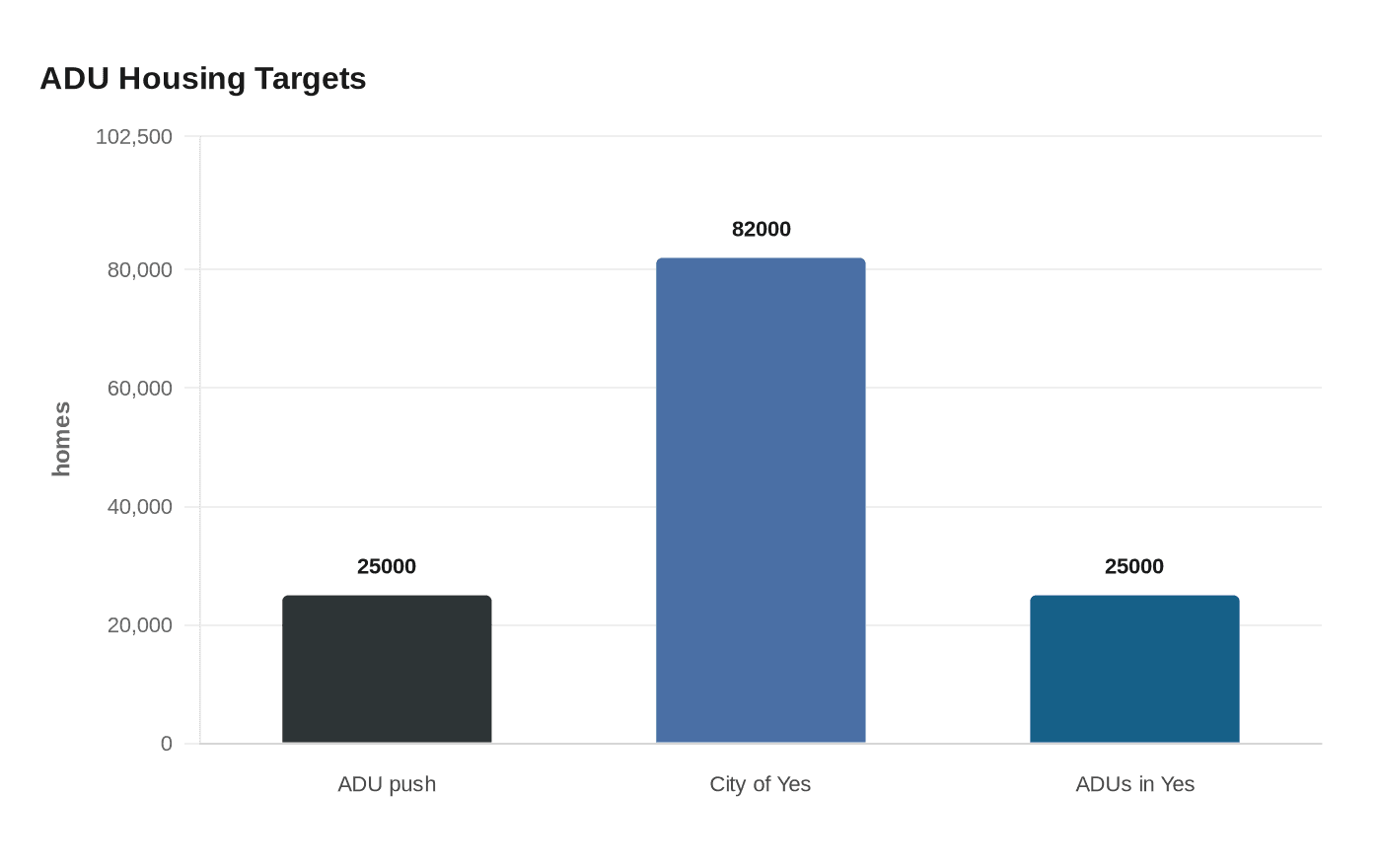
The new ADU push also sits inside a larger housing agenda. The City of Yes for Housing Opportunity zoning change, adopted in December 2024, is expected to enable about 82,000 homes over 15 years, and city materials say 25,000 of those homes are expected to be ADUs. For tiny-home builders, designers, and prefab manufacturers, that is a major institutional signal: New York is not just tolerating small homes, it is standardizing a market for them.
The politics behind the rollout have been building for years. Mark Levine’s office has pushed ADUs as a way to legalize housing that already exists in practice and to protect residents who have long relied on informal units. Brad Lander’s 2022 basement report said Hurricane Ida killed 13 New Yorkers, including 11 who drowned in basement apartments, and his 2023 testimony called basement apartments central to both the housing and climate crises. That history still shapes the city’s approach, especially for working-class immigrants and people of color who have long lived in basement and cellar units without the protections that legalization can bring.
The demand side is just as stark. Comptroller research says roughly 1.1 million New Yorkers, a little more than 30 percent of city households, own their homes. For many of them, ADUs are no longer a fringe idea from the tiny-house world. They are a legal, financed, city-backed way to add a home, keep a family close, and turn spare square footage into housing the city says it desperately needs.
This article was produced by Prism’s automated news system from verified source data, official records, and press releases, then run through automated quality and moderation checks before publishing. The system is built and supervised by the people who set the standards it runs under. Read our full AI policy.
Did this article answer your question?