Pratt Homes' Mockingbird tiny house adds porches, storage, and space
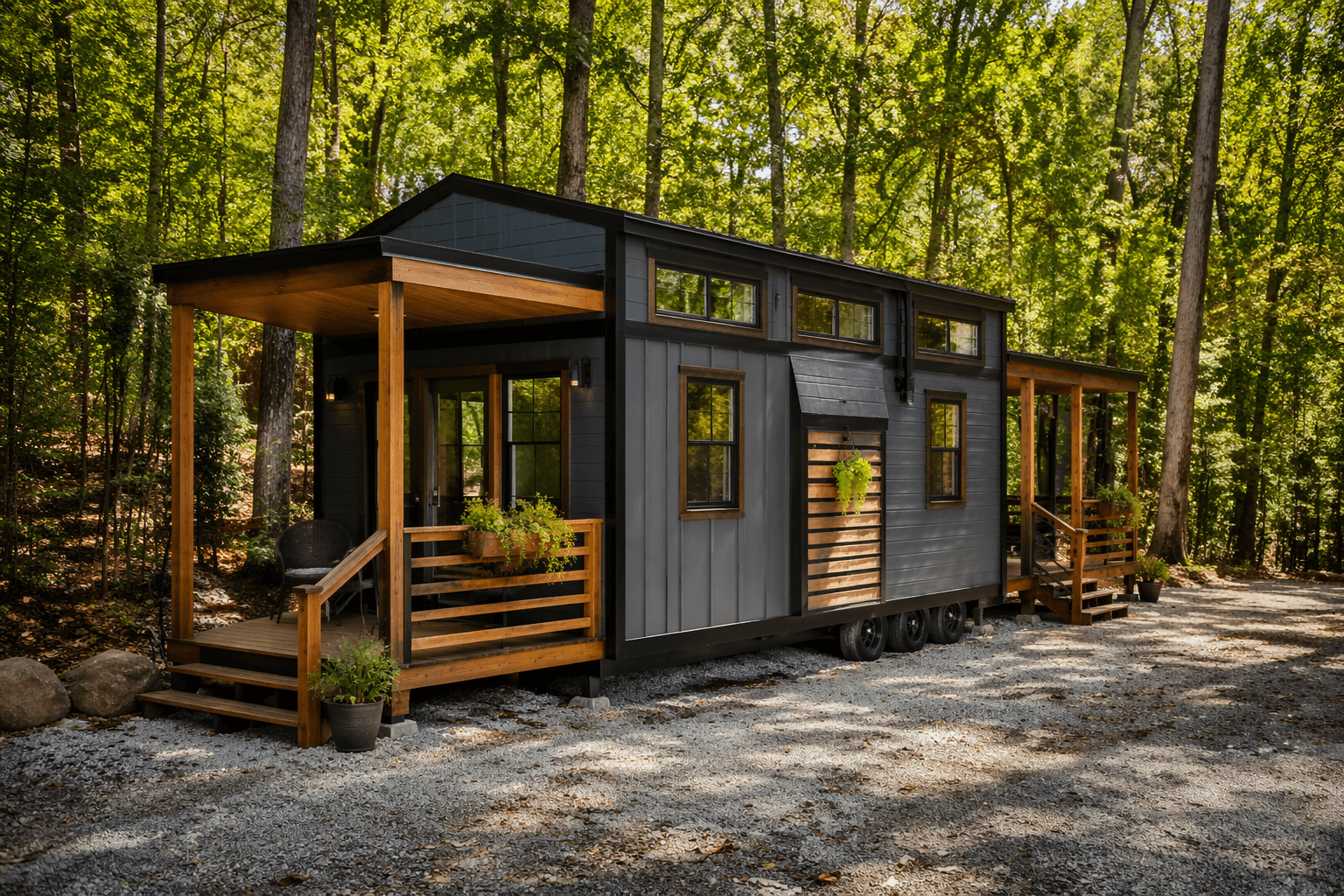
The Mockingbird leans into a rare tiny-house sweet spot: park-model scale, two porches, and storage that make compact living feel usable.
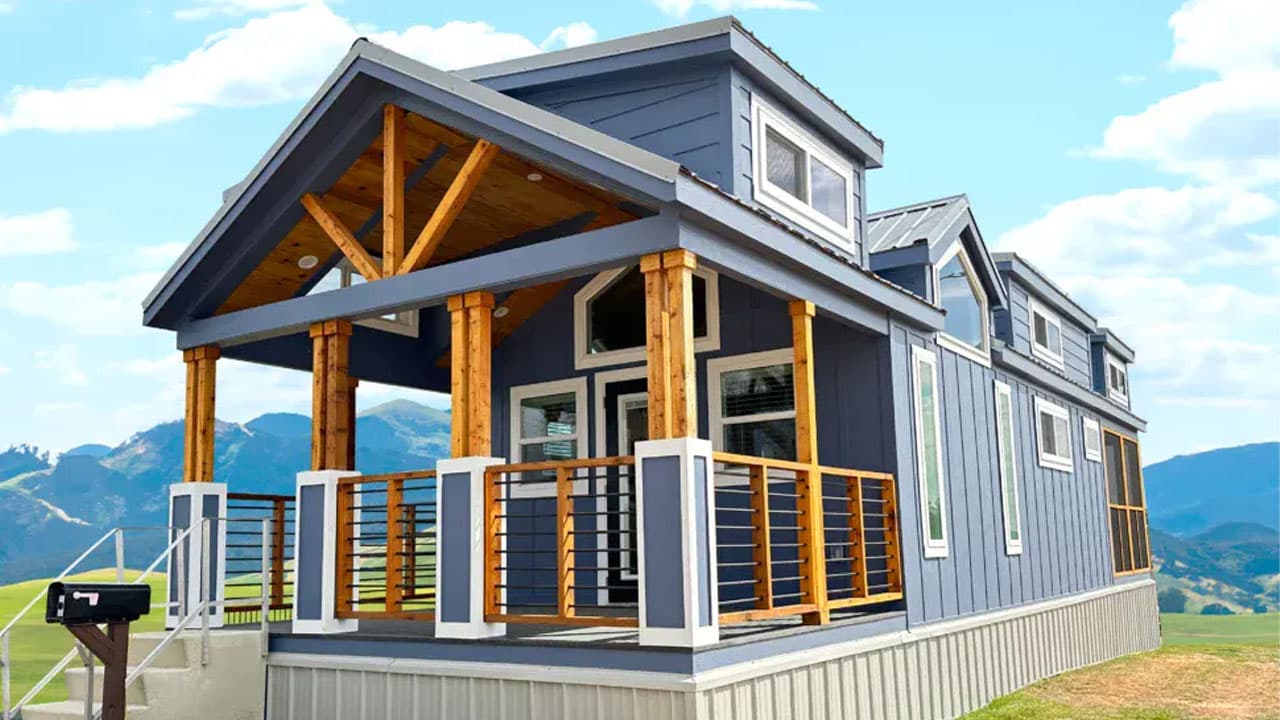
The Mockingbird is built for buyers who like the idea of downsizing but do not want a stripped-down tiny house that feels cramped after the novelty wears off. Pratt Homes positions it as a 1-bed, 1-bath park model tiny home at 399 square feet, with two porches, extra storage, and a layout that reads more like a small house than a weekend pod. That combination matters because the home is not trying to win on footprint alone; it is trying to make a compact build feel livable every day.
Why the park-model scale changes the experience
Pratt Homes describes the Mockingbird as part of its RVIA-certified park model tiny-home lineup, and that classification tells you a lot about the use case. This is not meant to be a minimal shell with a bed squeezed into the corner. It is aimed at RV switchers, deer leases, weekend getaways, guest space, and quiet retreats on your land, with Pratt Homes pitching its tiny homes as a way to get “more comfort than an RV.”
At roughly 399 square feet, the Mockingbird sits in the sweet spot between a traditional RV and a full-size house. That scale gives you enough room for a real bedroom, a workable kitchen, and indoor-outdoor flow without pushing into the larger footprint and cost profile of a conventional cabin. It is also the kind of size that makes sense when you want a home that can sit on a site and feel settled, not temporary.
The porches are the real differentiator
The biggest practical upgrade here is not a single interior finish, it is the pair of porches. Pratt Homes lists both a front and back porch with Trex decking, and the model also includes large porches as part of its core appeal. In tiny-house terms, that matters because porches act like extra living room, extra circulation, and extra breathing space all at once.
A porch changes how people actually use a small house. The front porch can handle muddy boots, morning coffee, and the kind of drop-zone clutter that otherwise overwhelms a tiny entry. The back porch extends the home into the site, which is exactly what makes park-model living feel less like a container and more like a destination. For shoppers comparing this with a more typical tiny house on wheels, the difference is immediate: instead of asking the interior to do every job, the Mockingbird gives the exterior a real role in daily use and entertaining.
The rear screened porch is especially important because it adds a more private, retreat-like layer off the bedroom side of the home. That detail pushes the Mockingbird beyond simple curb appeal. It creates a second outdoor room that works for quiet use, not just visitors and social time.
The interior is set up to be used, not just admired
Inside, the Mockingbird leans into function. The open-plan kitchen and living area includes a rollable island, which is one of the smartest small-space features in the design. It can be prep space when cooking, storage when you need it, and a dining surface when the day calls for one. In a 399-square-foot plan, that kind of flexibility is the difference between a room that looks good in photos and one that works when someone is actually living in it.
The kitchen itself is fully equipped with a refrigerator, range hood, cooktop, microwave, subway-tile backsplash, and marble countertop. The living room includes a fireplace, a television mounting area, and large pentagonal windows that bring in light and keep the room from feeling boxed in. Pratt Homes also emphasizes vaulted and high ceilings, along with fully pine wood ceilings throughout, which helps the small footprint feel taller and more open.
The sleeping and utility spaces are just as telling. The bedroom is sized to fit a king-size bed and includes a walk-in closet, while a stacked washer-dryer and a dual-access bathroom make the home feel closer to a small permanent residence than a vacation cabin. Those are the details that matter when you want to spend real time in the house, not just a long weekend.
Storage and flexibility are doing a lot of the work
Pratt Homes highlights additional storage space and an optional loft, and both fit the way buyers actually use tiny homes. Storage keeps the main rooms usable, especially in a compact park model where every inch has to earn its place. The optional loft gives owners one more layer of flexibility, whether that becomes sleeping space, guest overflow, or a catchall zone for seasonal items.
The exterior design supports that same idea. Dusty blue wood cladding, cedar posts, oversized windows, and pine wood ceilings give the Mockingbird a rustic but polished look without sliding into gimmick territory. It feels designed for people who want the coziness of a tiny house but still expect the building to hold up as a real retreat on their property.
Where it fits in the market
Pricing context is important here because park-model buyers are often comparing this category with cabins, guest houses, and RVs. A 2026 park model RV pricing guide places base prices around $49,900, with total project costs reaching roughly $58,000 to $95,000-plus once upgrades, transport, setting, site prep, and hookups are included. That puts the Mockingbird squarely in the part of the market where buyers are paying not just for size, but for how well the home can be set up and used on site.
There is also a small but useful reminder that measurements can vary by source and listing. One 2025 description put the Mockingbird at 390 square feet, while Pratt Homes currently lists it at 399 square feet. For shoppers, that kind of variation usually reflects changes in measurement convention, marketing version, or configuration rather than a different basic concept.
The company behind it backs the pitch with longevity
Pratt Homes says it has been a staple in Texas, Louisiana, Oklahoma, and Arkansas since 1996, and it also says its modular homes come with a minimum 10-year structural warranty and 7 years on appliances and systems. That matters in a category where some buyers still think of tiny homes as trendy or temporary. The warranty language and long regional footprint give the Mockingbird a more grounded, built-for-use frame.
It also fits Pratt Homes’ broader service area, which includes Texas, Oklahoma, Louisiana, and Arkansas, and its Texas base in Tyler. That regional reach makes the Mockingbird feel less like a boutique one-off and more like part of an established small-home offering.
The Mockingbird works because it solves the tiny-house tradeoff cleanly: you still get compact scale, but the two porches, storage, and real-room layout keep the home from feeling pared back. For buyers who want downsizing without sacrificing everyday comfort, that is the feature set that changes the whole equation.
This article was produced by Prism’s automated news system from verified source data, official records, and press releases, then run through automated quality and moderation checks before publishing. The system is built and supervised by the people who set the standards it runs under. Read our full AI policy.
Did this article answer your question?