Scotland Opens £3 Million Tiny-Home Village for 15 Homeless Residents
A £3 million village of 15 modular nest houses opened in Rutherglen, and its real test will be whether residents move on to lasting homes.
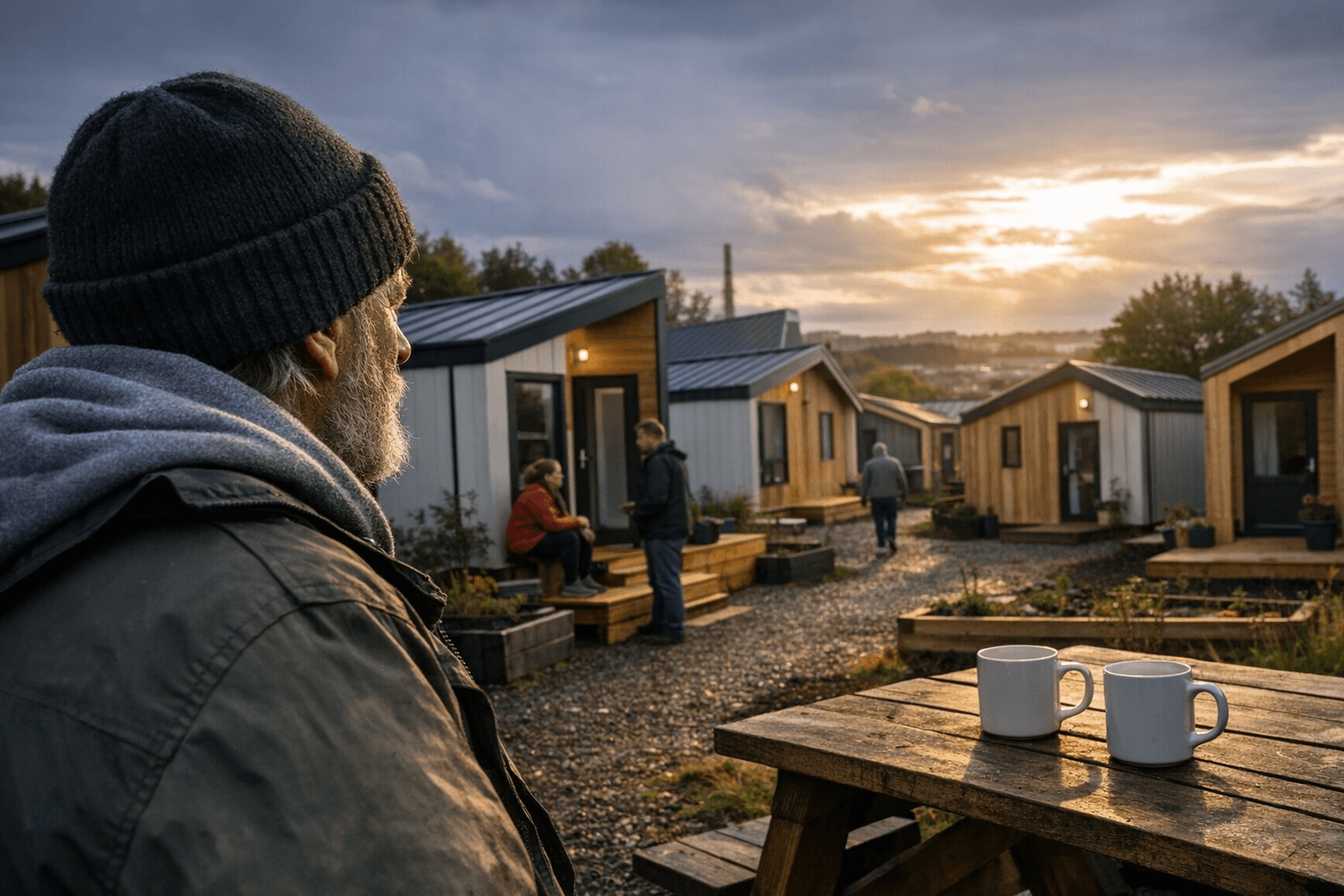
A £3 million village of 15 modular nest houses opened in Rutherglen with a simple question hanging over it: can a tiny-home community with round-the-clock support do more for stability than the usual homelessness response? Harriet Gardens, built on the former Westfield Saw Mills site in South Lanarkshire, was designed as a supported living community, not a short-term stopgap.
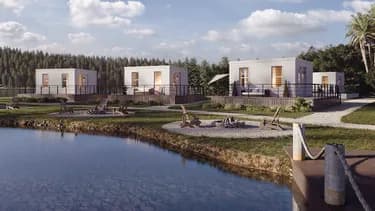
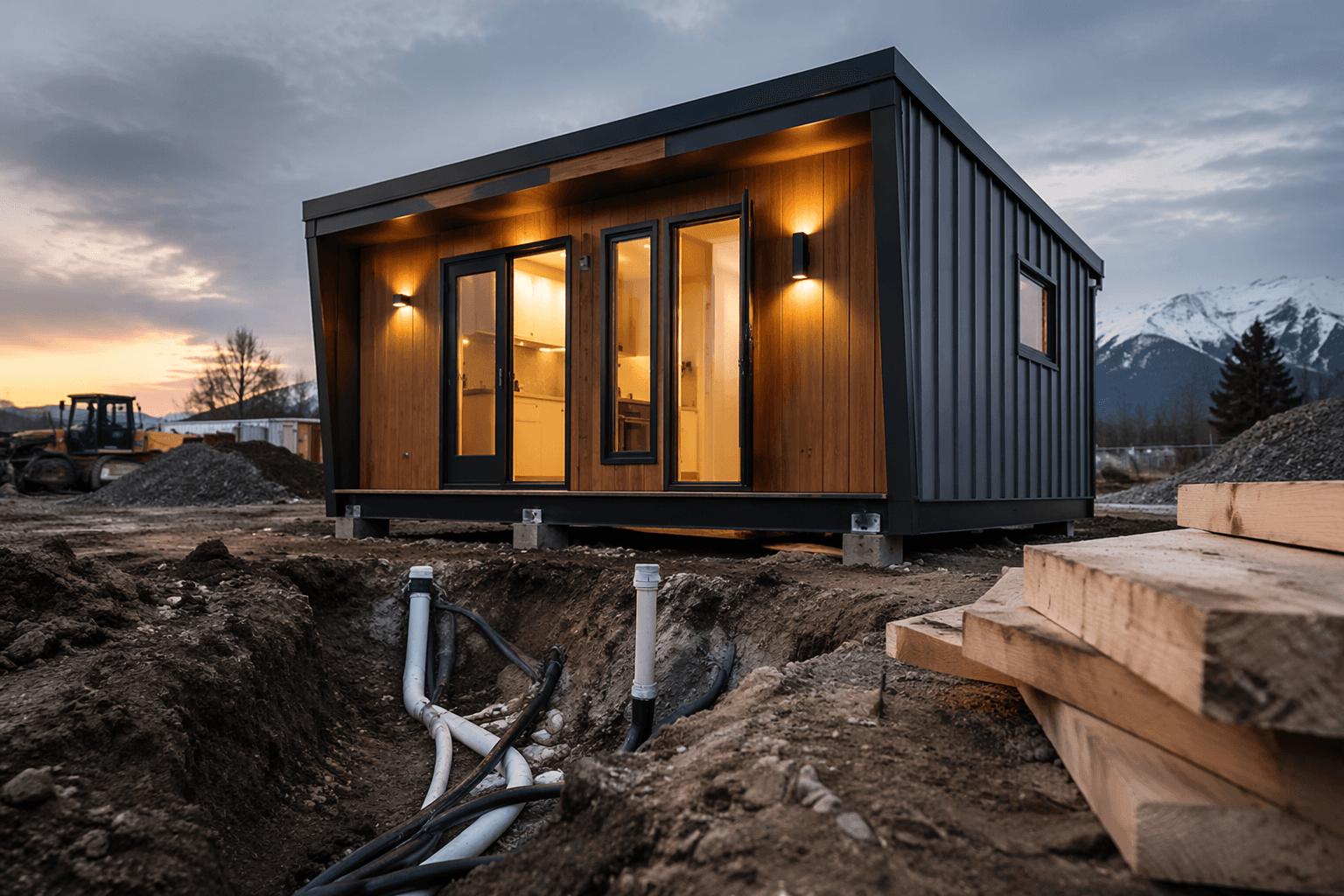
The project pairs private space with shared infrastructure. Each resident has a nest home, while the village also includes a community hub, cooking space, landscaped surroundings and an outdoor gym. The houses were manufactured by Ecosystems Technologies in Invergordon, and the site was created through a partnership between Social Bite and South Lanarkshire Council, with The Salvation Army providing specialist support around the clock.
That support model will be part of the measure of whether Harriet Gardens succeeds. Over the next six to 12 months, the clearest test will be move-on rates, whether residents settle into the routines of shared living, and how effectively the village links people to more permanent housing. Social Bite founder Josh Littlejohn has argued that the model is meant to do more than provide shelter, saying it could help Scotland respond to homelessness and get people used to owning their own property. Social Bite also wants the village format to serve as a blueprint local authorities and organisations across the UK can adopt.
Harriet Gardens is Social Bite’s second village in Scotland, following the Edinburgh Village that opened in May 2018 on vacant land in Granton. That first site was built for around 20 people at a time and has since supported more than 100 people experiencing homelessness. Social Bite says its village approach typically uses around 15 modern, sustainable homes plus a communal hub, and it is built around regenerating unused land. In that sense, the Rutherglen development is as much a brownfield renewal project as it is a housing intervention.
South Lanarkshire Council said the first nest houses arrived in December 2025, and the opening came after about three years of work. The council described the site as a purpose-built community on the old sawmill land, while The Salvation Army said its role would be to deliver the specialist support that makes the village more than a cluster of cabins. That distinction will matter now that the doors are open, because Harriet Gardens is not being judged by ribbon-cutting optics. It will be judged by whether 15 small homes, shared facilities and constant support can produce something homelessness services often struggle to deliver: stability that lasts.
This article was produced by Prism’s automated news system from verified source data, official records, and press releases, then run through automated quality and moderation checks before publishing. The system is built and supervised by the people who set the standards it runs under. Read our full AI policy.
Did this article answer your question?