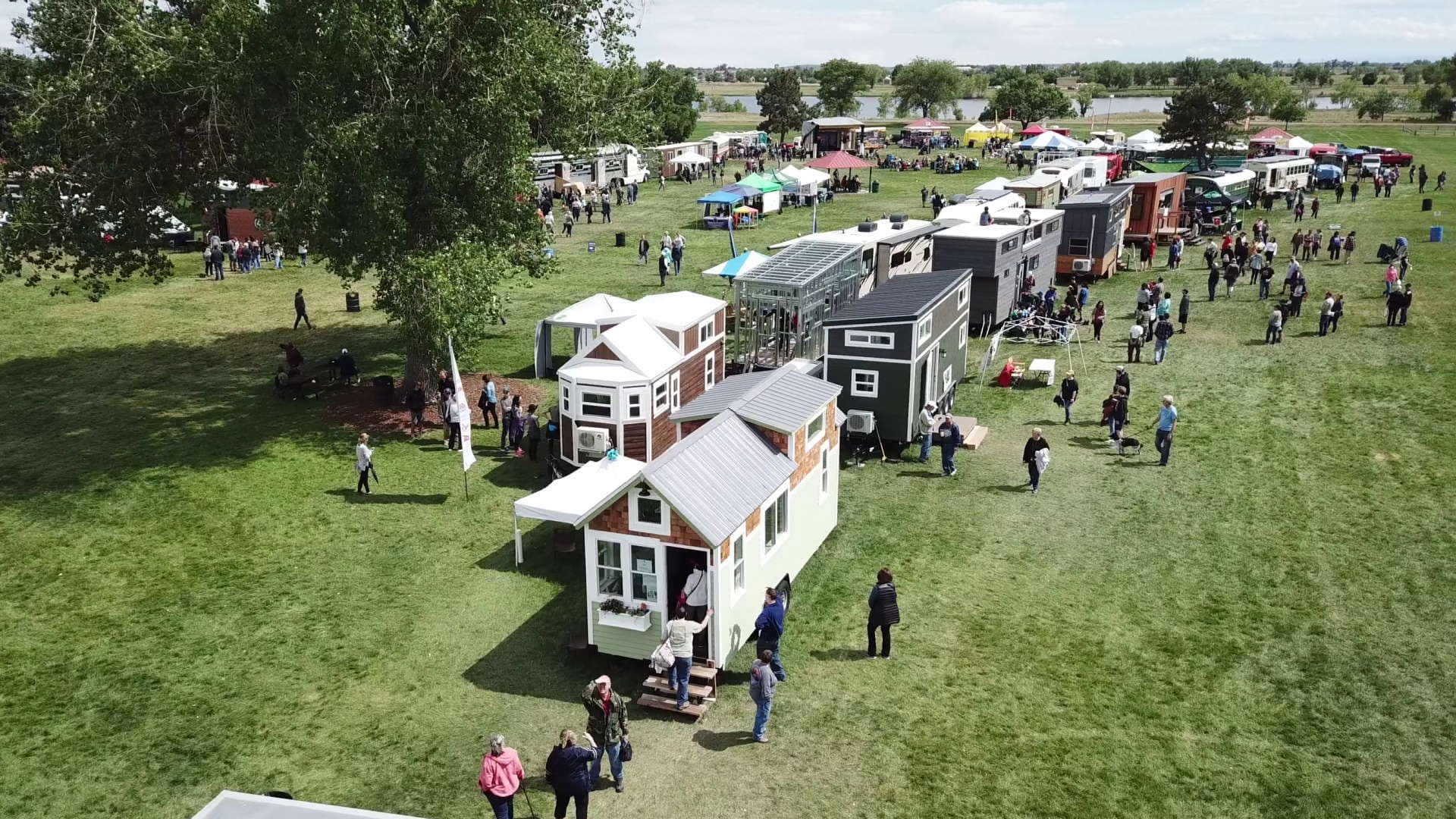
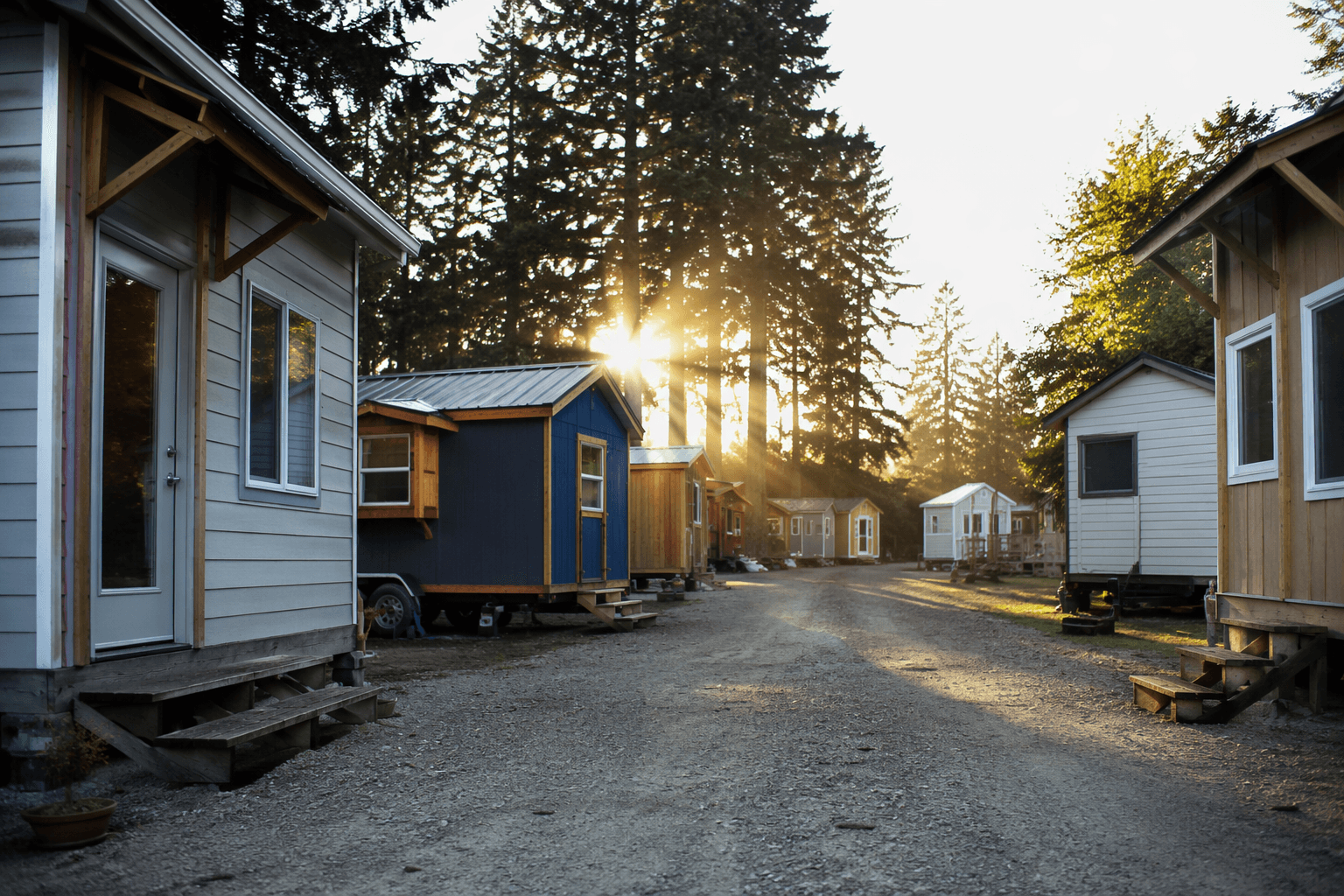
Seattle tiny homes project draws backlash over safety concerns
Seattle's Interbay Bayside Enhanced Shelter opened with 75 units, then drew ridicule as critics called it a "porta-potty drug den" and questioned safety.
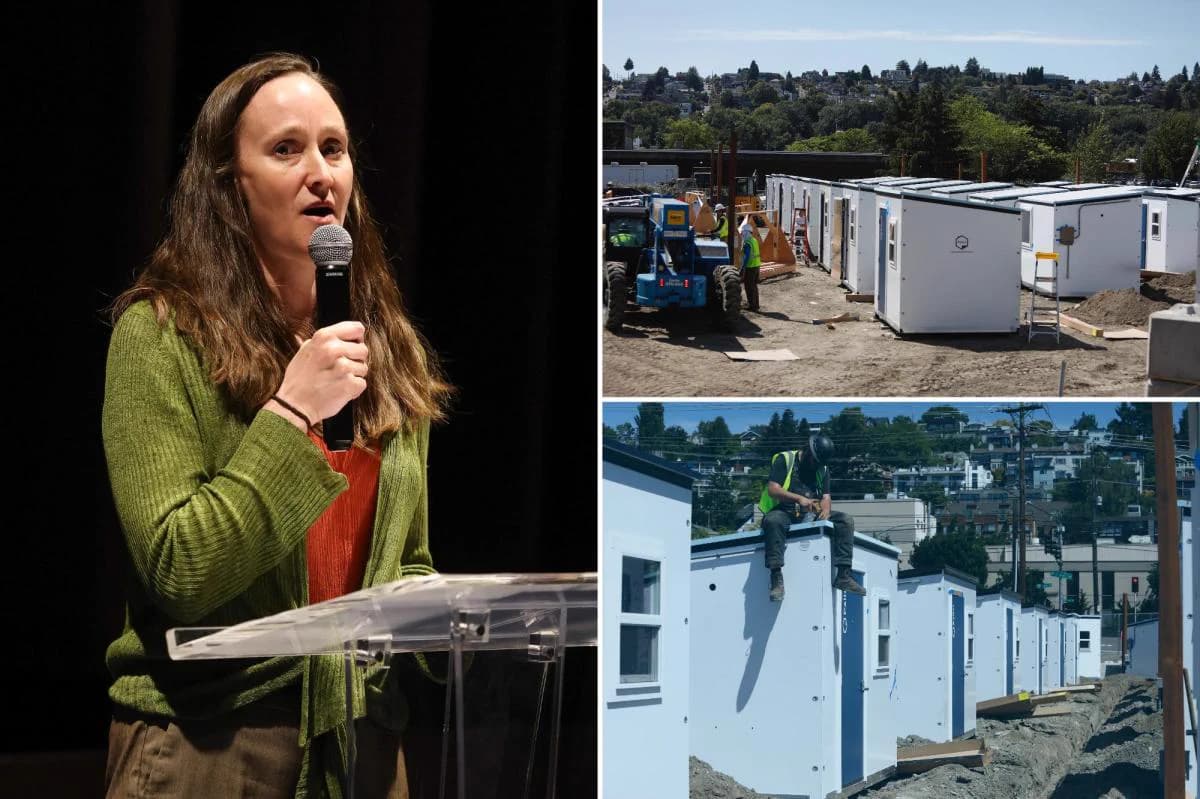
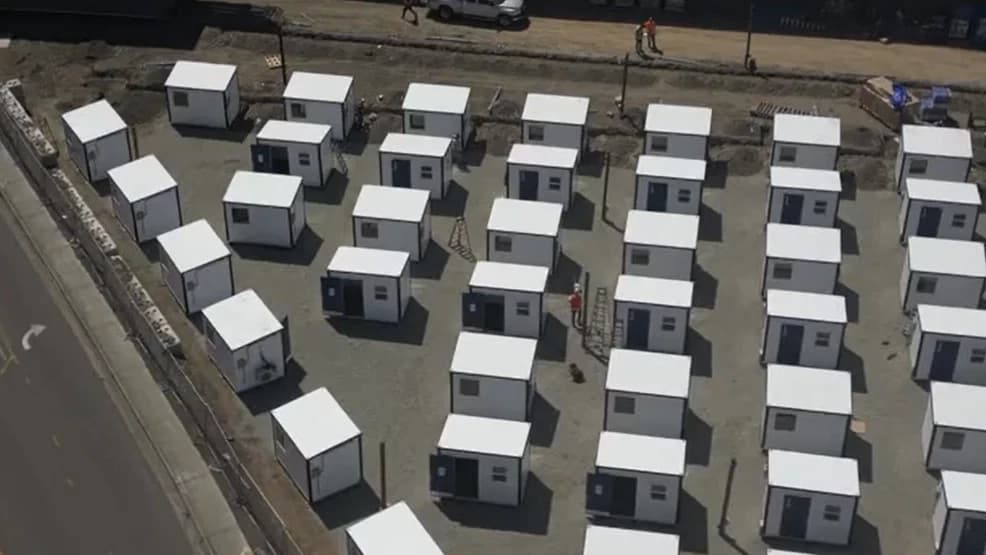
Seattle’s new Bayside Enhanced Shelter in Interbay opened with 75 individual units at West Armory Way, Seattle, WA 98119, and almost immediately became a flashpoint over safety, neighborhood impact, and whether city-run tiny-home shelters belong in the tiny-house conversation at all. Critics have described the units as “porta-potty drug dens,” a line that has landed far beyond this one site.
The project is a shelter program, not the owner-built or community tiny homes that many tiny-house enthusiasts talk about when they picture compact living. Seattle has used tiny-house villages as part of its homelessness strategy for years, and the model has been pushed by the City of Seattle, the Seattle Human Services Department, the King County Regional Homeless Authority, and operators such as the Low Income Housing Institute, or LIHI. LIHI runs several of the city’s tiny-house villages, including Interbay.
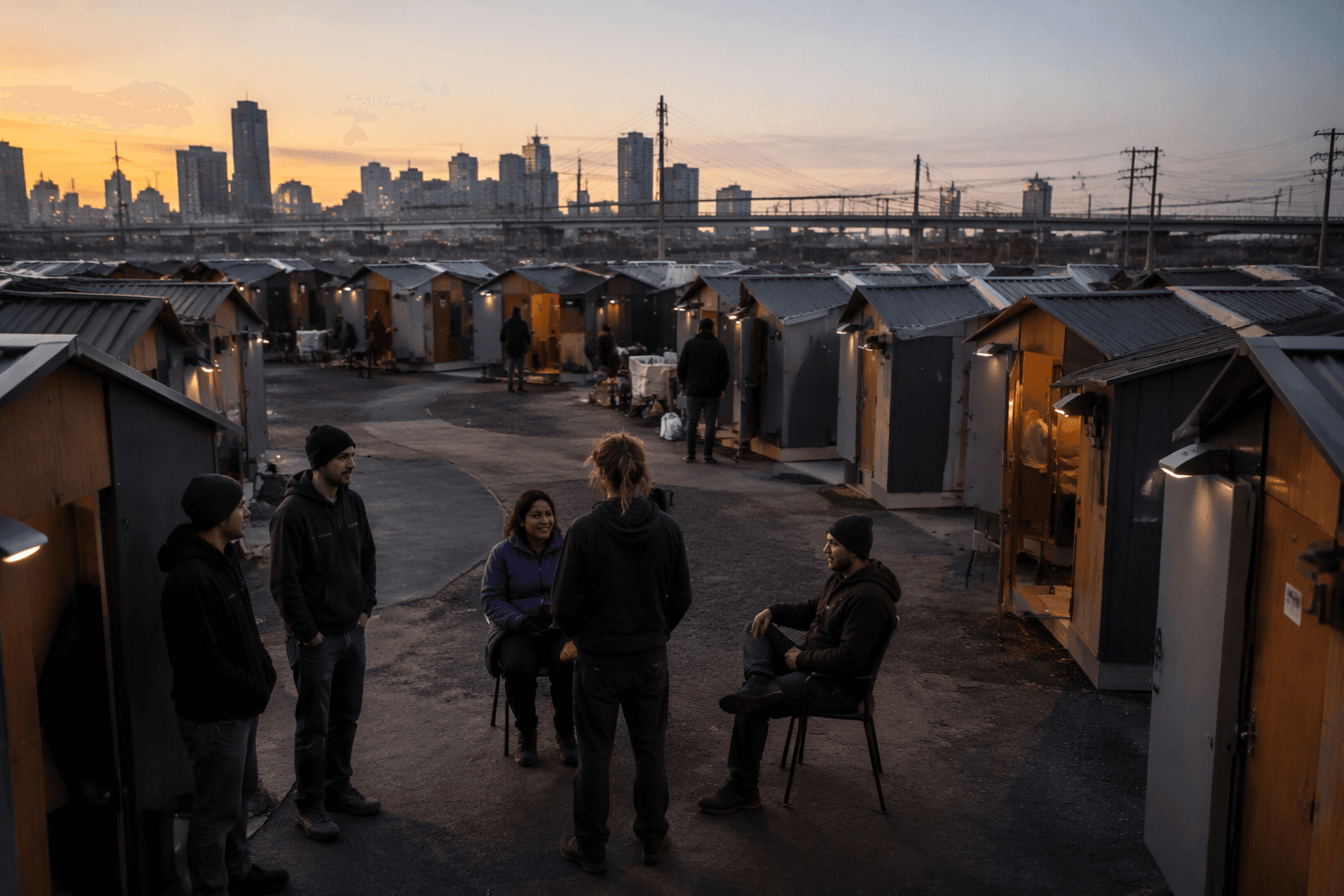
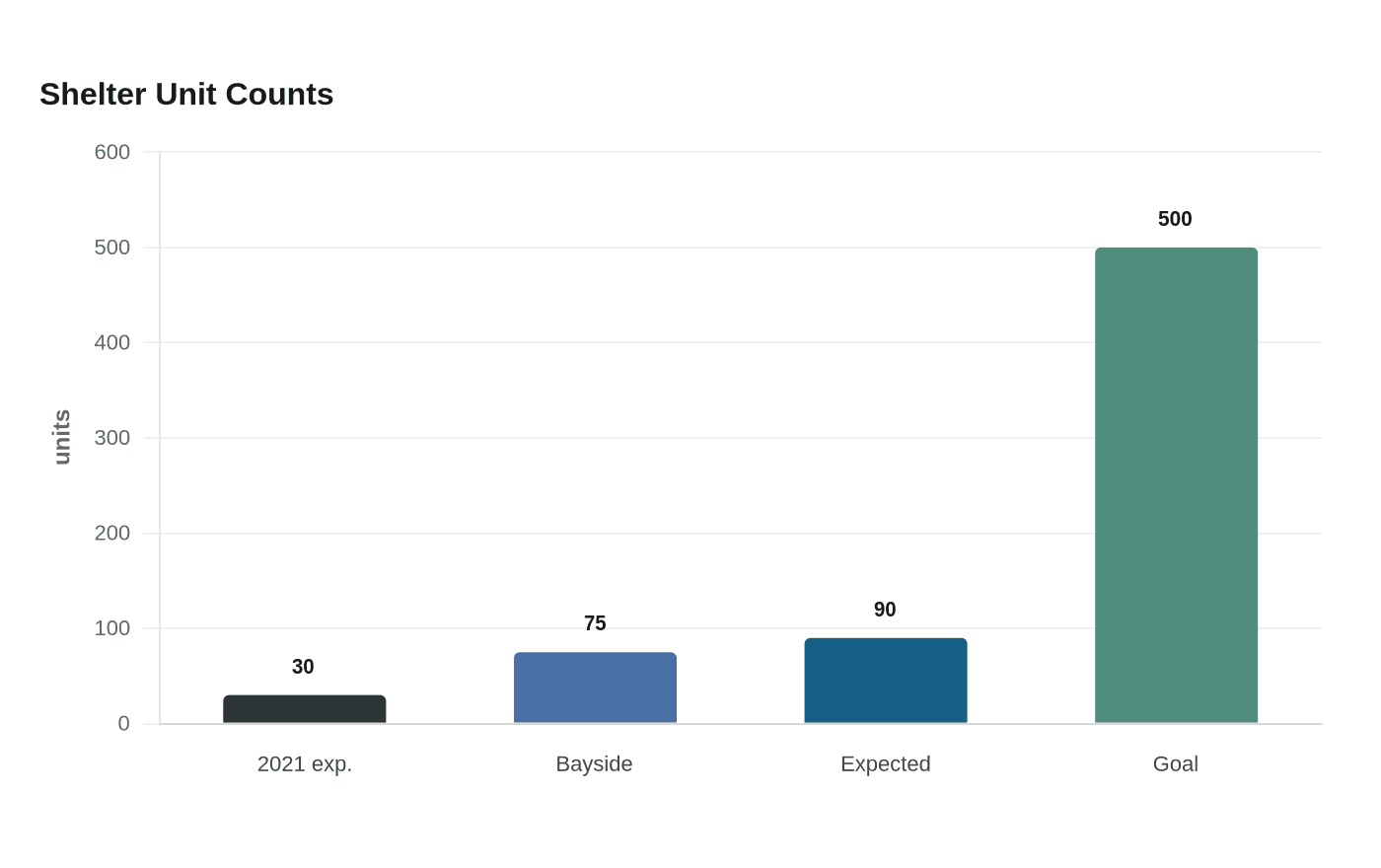
Interbay has been a major part of that rollout. In November 2021, Seattle announced the completion of an expansion of Interbay Tiny House Village that added a new hygiene station and 30 new units of shelter, with capacity for up to 35 additional people. The project was built as a partnership between the City of Seattle, the Port of Seattle, and LIHI, underscoring how much of the city’s shelter strategy has leaned on quick-build, small-footprint units.
The latest Interbay effort had already been the subject of mixed expectations. Some coverage said the village was expected to provide about 90 units before opening, while recent reporting put the number at 75 individual units in the new Bayside Enhanced Shelter. That kind of gap matters in Seattle, where the city has been under pressure to add shelter beds quickly and hit a 500-unit goal by mid-June. One report said the city fell short, opening 75 in Interbay while still chasing that target.
The skepticism around tiny-house villages is not new. In July 2018, a Wallingford village went three months without case management or a hygiene truck, a service lapse that fed concerns about how well these sites are managed once the units are in place. For neighbors already worried about accountability and safety, that history has made each new village an easier target.
That is the risk Seattle now faces: every city-run shelter built in a tiny-home format can shape how people view the broader movement. If emergency housing is seen as chaotic or poorly run, the backlash can spill into zoning fights, block-by-block acceptance, and even the reputation of the owner-built and community tiny homes that have nothing to do with the city’s shelter system.
This article was produced by Prism’s automated news system from verified source data, official records, and press releases, then run through automated quality and moderation checks before publishing. The system is built and supervised by the people who set the standards it runs under. Read our full AI policy.
Did this article answer your question?