Seattle’s tiny-house villages show promise, limits in homelessness response
Seattle’s tiny-house villages are delivering permanent housing for some residents, but rules, location, and oversight still decide whether the model works or frays.

Seattle’s latest tiny-house push
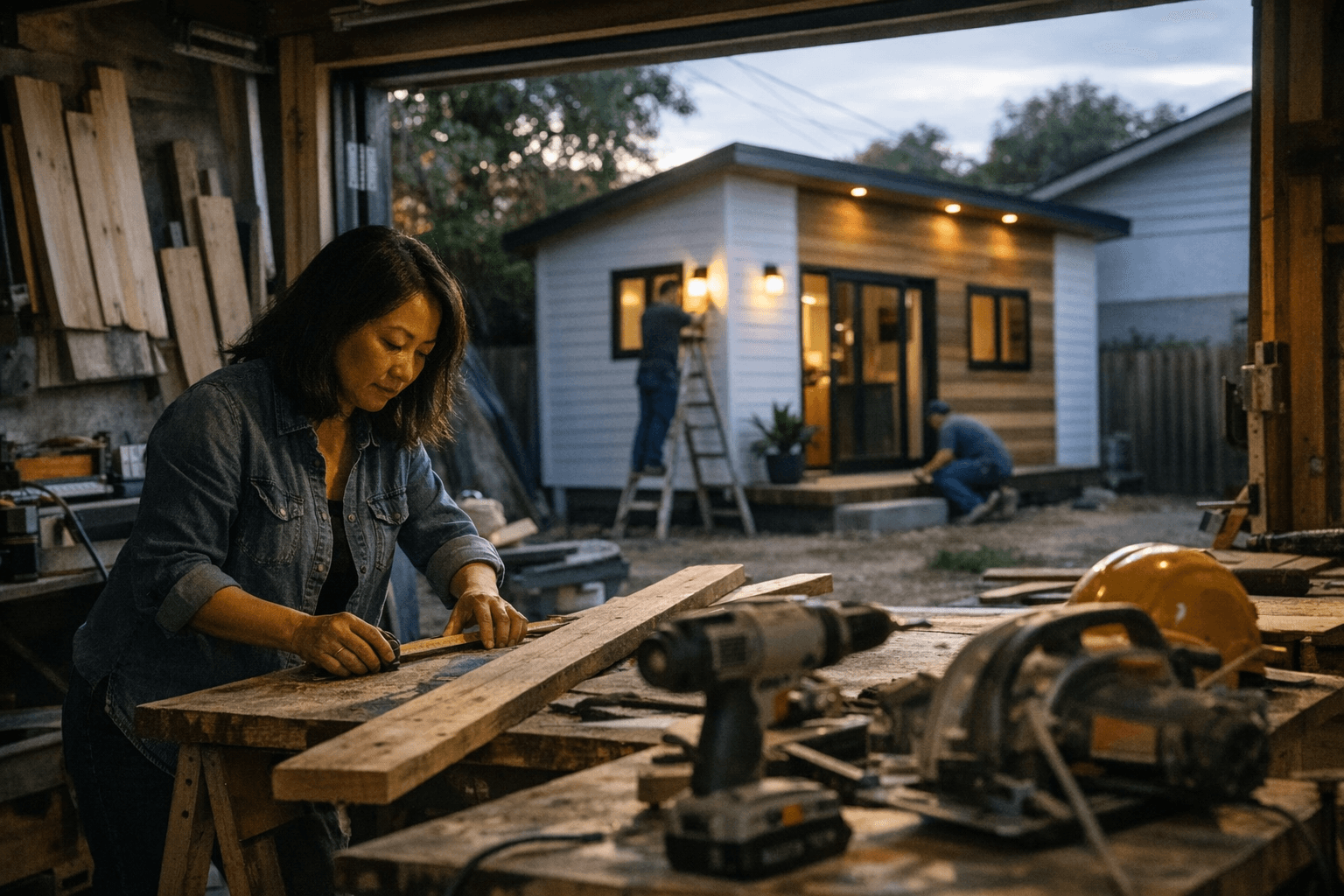
Seattle’s tiny-house villages are back in focus after Mayor Bruce Harrell announced more than 100 new tiny houses through two new villages with the Low Income Housing Institute, one planned for Olympic Hills and another closer to downtown Seattle. The real test is not whether the city can place more cabins on a map, but whether those sanctioned sites move people indoors faster and hold up better than unsanctioned sidewalk builds that often trigger conflict from day one.
That debate matters in a city where tiny-house villages are not a novelty anymore. Seattle began opening them in 2015, and Licton Springs, the city’s first authorized low-barrier tiny house village, opened in April 2017 in North Seattle. The site was originally planned as a two-year permit, and the city later chose not to extend it, a reminder that even the most visible shelter experiments still have a finite lifespan.
Why Licton Springs became the template
Licton Springs helped define what Seattle means when it talks about a low-barrier village. At the time, reporting described it as a place where drinking and drug use was allowed inside individual tiny houses, while use was prohibited in common areas. That distinction still sits at the center of the model: the village is structured, supervised, and service-linked, but it does not require total sobriety to get a roof overhead.
The city’s early experiment also showed how quickly a tiny-house site can become part of the local landscape. Licton Springs was described as the first city-funded low-barrier encampment, and it arrived as Seattle was building out a broader shelter network that could serve people with chronic homelessness, addiction, or mental health needs. That approach has remained controversial, but it has also given the city a model that is easier to stand up than permanent housing and more orderly than a tent cluster.
What the numbers say about outcomes
Supporters point to one measure above all others: exits to permanent housing. LIHI reports that 53% of people who exited a tiny house in Seattle obtained permanent housing in 2023, up from about 50% in 2022. That is not the same as solving homelessness, but it is a concrete result, and it is the kind of result Seattle’s homelessness response is increasingly judged on.
The city’s broader system has also shown movement. Seattle’s One Seattle Homelessness Action Plan says there was a 50% increase from 2022 to 2024 in people moving from shelter to permanent housing. Seattle officials also reported an 80% decrease in tent encampments from 2022 to 2024 in relation to Unified Care Team efforts. Put together, those numbers suggest that structured shelter and enforcement can change what the street looks like, even if they do not eliminate the shortage of housing that drives the crisis.
Where the model helps, and where it strains
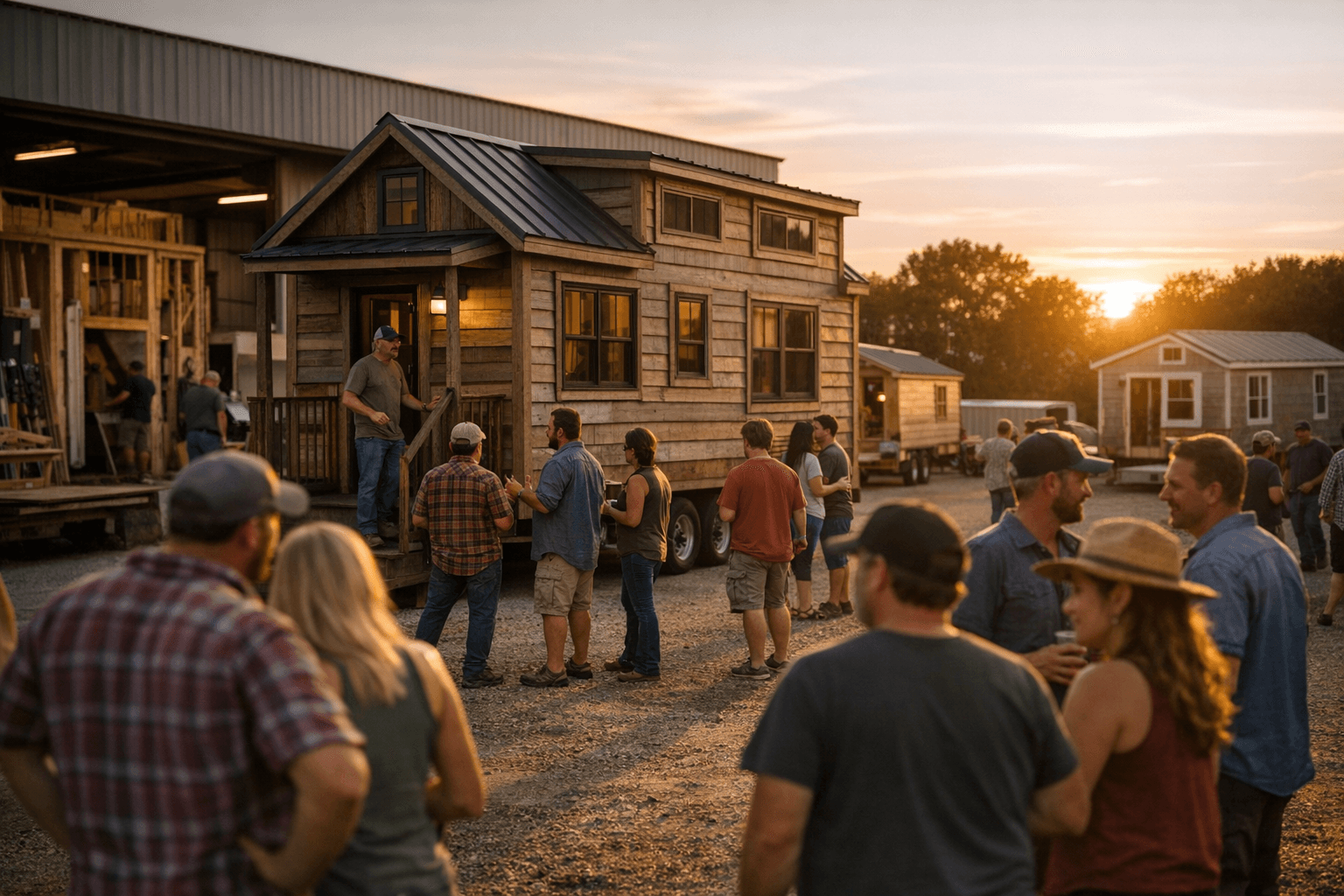
LIHI says it is one of the largest providers of tiny house village shelters in the nation, and in Greater Seattle it now operates many villages with hundreds of units. Those sites often include showers, laundry, case management, and supportive services, which is part of why they can function as more than just a sleeping space. They are designed as a bridge, not an endpoint.
The scale is now substantial. Sound Foundations NW says Greater Seattle has 20 tiny home villages with about 750 tiny homes. LIHI also says Washington has more than 60,000 homeless individuals, while the latest Seattle and King County point-in-time count showed over 15,000 homeless people. Against numbers that large, the villages are a meaningful tool, but only one tool.

The other side of the argument is equally real. Critics say the model can become too permissive, especially when low-barrier rules are stretched or poorly enforced. A 2026 viral video by We Heart Seattle founder Andrea Suarez drew renewed attention to alleged drug use inside LIHI’s Interbay village, feeding the concern that a site meant to reduce street harm can drift into disorder if standards are unclear or unevenly applied.
Low-barrier versus sober, and why the distinction matters
The Seattle fight is not really tiny houses versus no tiny houses. It is about what kind of rules are needed to make a village stable enough to be useful. Low-barrier advocates argue that allowing drug or alcohol use inside personal units can keep people from dying on the street and can create the first opening for services, treatment, and eventual housing. In that view, the village is a safer first stop than a sidewalk camp, even if it is not a clean-break recovery setting.
Sober or stricter-rule supporters see the same permissiveness and hear a different message: that rules are only as good as the enforcement behind them. That is why Seattle’s current debate keeps circling back to whether a structured community can be both compassionate and disciplined. The strongest villages appear to be the ones that balance tolerance inside private space with clear expectations in shared areas, then pair that with case management and housing placement.
Neighborhood impact is part of the scorecard
Seattle’s tiny-house villages have also won praise for a more practical reason: some nearby sidewalks stay cleaner because residents maintain the area themselves. That matters to business owners and neighbors who want fewer tents, less debris, and less constant churn around their blocks. It is one reason these villages often draw less resistance than unsanctioned builds, even when the rules inside the site remain controversial.
Still, reactions from neighbors and business owners have been mixed over time, which is not surprising. A village can reduce pressure on one corner while raising concerns about another, especially when a site is near established homes or commercial districts. The city’s choice to place new LIHI villages in Olympic Hills and closer to downtown Seattle shows that location remains as important as capacity.
The broader Seattle lesson
LIHI’s numbers and Seattle’s recent shelter trends point to the same conclusion: tiny-house villages work best when they are treated as structured emergency shelter, not permanent housing and not a loose collection of cabins with no accountability. That is where the model has the clearest value. It can move people indoors quickly, create a more stable site than a sidewalk camp, and connect residents to housing faster than the street does.
Seattle’s challenge now is to keep that structure intact as the city adds more units and faces pressure from every side. The question is no longer whether tiny houses belong in the homelessness response. It is which version of the model, low-barrier, sober, or somewhere in between, can keep people safer, keep sites orderly, and produce the most exits into permanent housing.
Know something we missed? Have a correction or additional information?
Submit a Tip