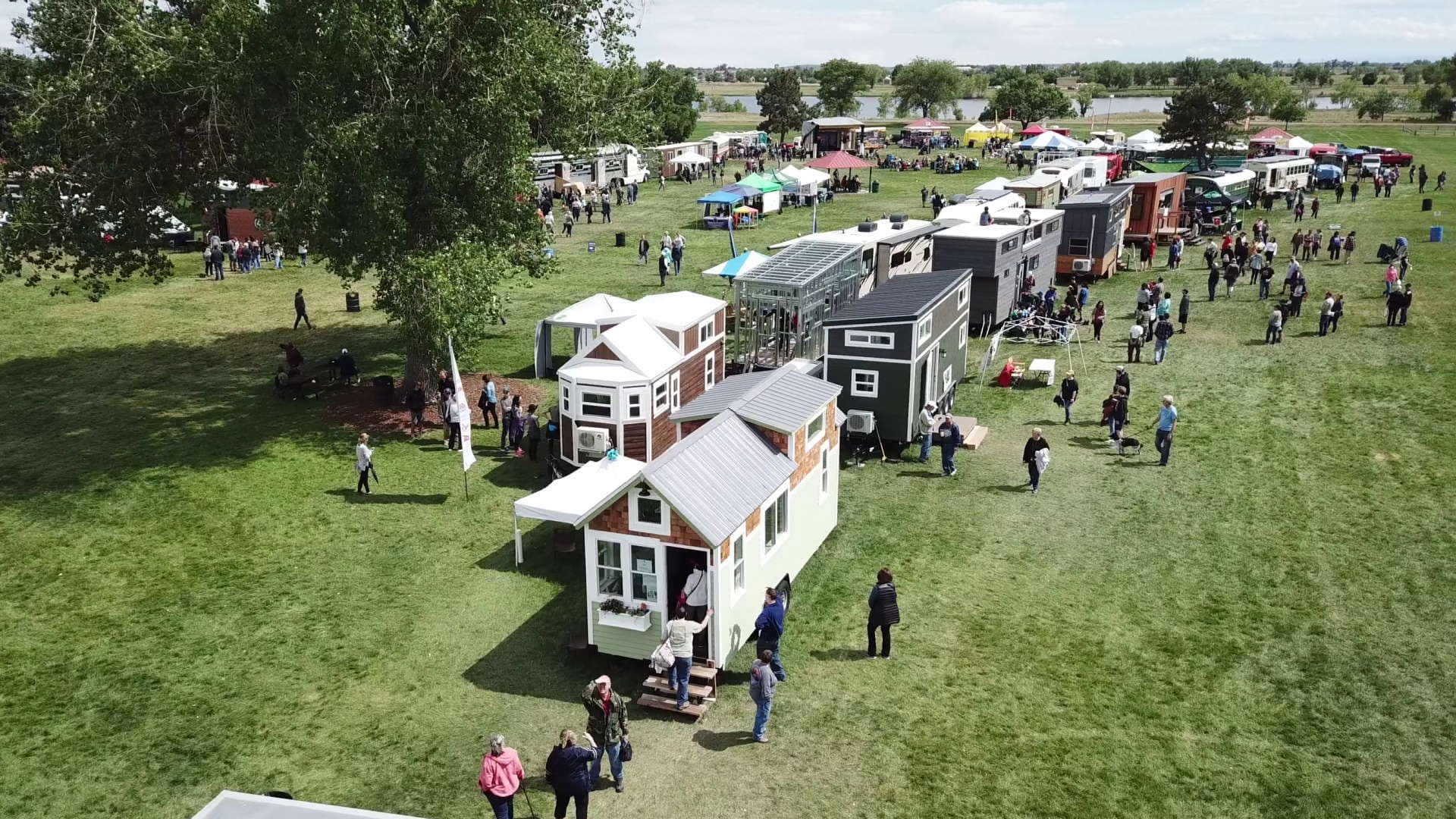
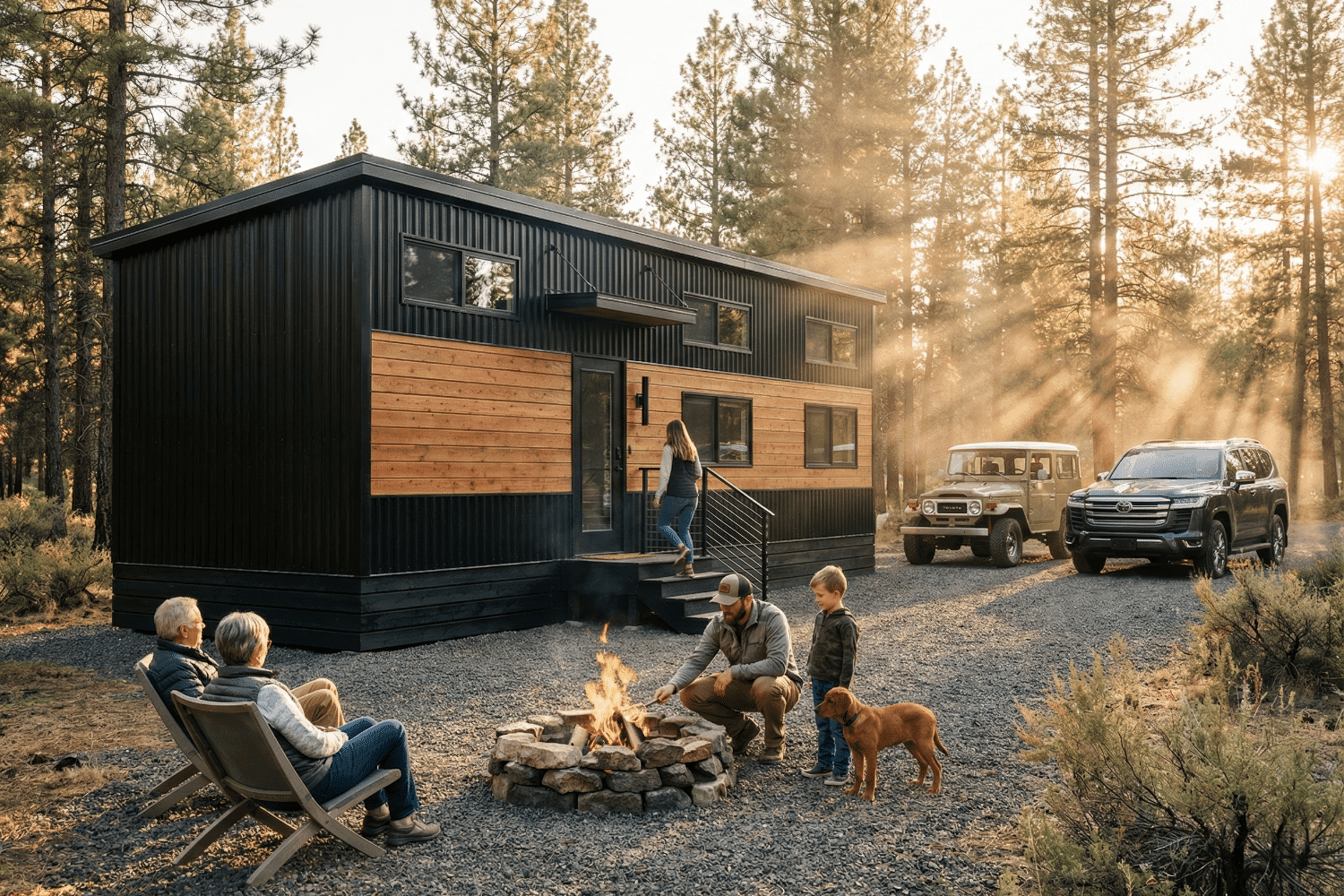
Single-level tiny houses on foundations may be easiest to finance
Banks like tiny houses that look like small real houses, not towables. A single-level build on a permanent foundation lines up better with mortgage underwriting, code, and resale.
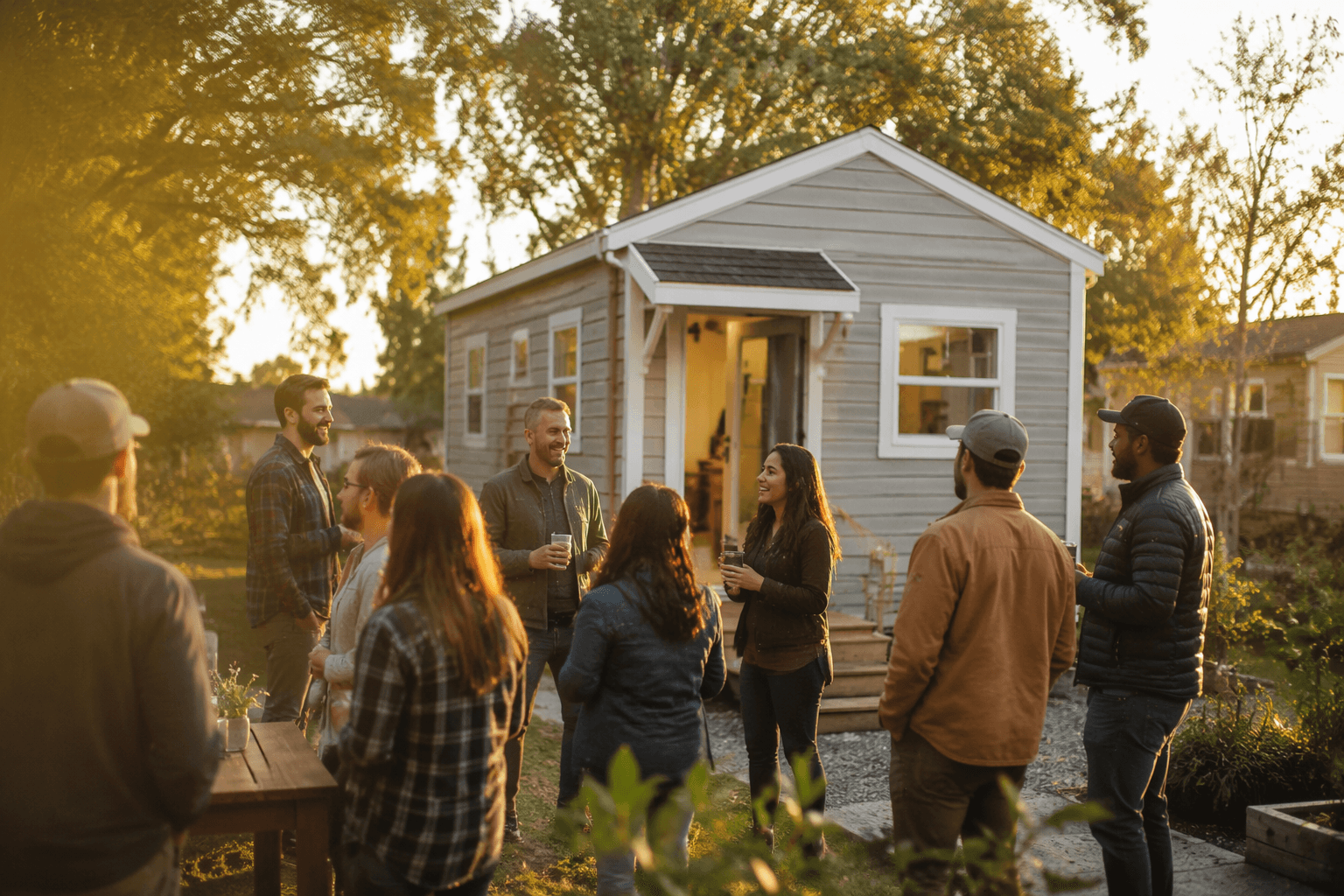
The easiest tiny house to finance is not the one with the flashiest loft or the cleverest storage stair. It is the one a lender can read as real estate: a single-level dwelling on a permanent foundation, with the paperwork and classification to match. That is the tradeoff at the center of this build decision, because the wrong chassis, title, or foundation can push a tiny house out of mortgage territory and into pricier personal-property lending.
Why the foundation choice comes first
For anyone trying to build equity, the question is not simply “what tiny house can I build?” It is “what tiny house will a bank actually underwrite?” The market still splits sharply between towable homes and houses that sit like conventional real property, and that split changes everything from resale value to insurance to where the home can legally sit. A single-level, ground-floor tiny home on a permanent foundation gives the property a much better chance of fitting the lender’s comfort zone than a trailer-based build that lives in the RV lane.
That matters because the traditional lending system was built around homes with clear title and permanent foundations. One 2026 financing guide puts the common borrowing paths in four buckets: RV loans, personal loans, HELOC or home-equity borrowing, and manufacturer installment plans. In that same field, average rates were listed at about 7% for RV and RVIA loans, 12% for personal loans, and 8% for HELOC or home-equity borrowing. Those numbers help explain why the RV loan trap is such a warning sign for buyers who want long-term ownership rather than a movable object with weaker mortgage options.
How lenders classify the build
The legal label can matter as much as the footprint. Fannie Mae’s 2026 Selling Guide defines a manufactured home as a dwelling unit built on a permanent chassis and attached to a permanent foundation system, with a HUD Data Plate and HUD Certification Label(s) to meet the manufactured-home definition. That is a very specific box, and many tiny houses do not fit it neatly, especially if they are built like custom small homes rather than factory homes on a chassis.
HUD’s Title I Manufactured Home Loan Program is equally explicit: FHA-approved lenders may finance a manufactured home unit, a lot, or a unit-and-lot combination. HUD also says the home may be classified as personal property or as real estate, which is exactly why two tiny houses that look similar from the street can live in very different financing worlds. For buyers, the practical lesson is blunt: the lender’s category decision can decide whether the build is treated like a house or like a thing you own.
HUD’s loan limits have also been moving. HUD announced new FHA loan limits for calendar year 2026 for Single Family Title II forward loans and HECMs, and HUD said in March 2024 that FHA implemented updated Title I manufactured-home loan limits under a new indexing methodology. FHA case numbers assigned on or after March 29, 2024 were subject to new nationwide Title I limits. If you are trying to line up a tiny-house project with an FHA-backed path, those program details are not background noise.
The foundation menu and what it costs
The July 16 video says it breaks down 2026 build costs from DIY to turnkey contractor pricing and compares foundation options such as slabs, piers, and crawl spaces. That comparison is the practical heart of the finance question, because the support system underneath the home can change how the structure is classified, insured, and priced.
The 2026 foundation-cost guidance in the search results puts trailers at $4,000 to $12,000, skids at $200 to $500, concrete piers at $1,500 to $5,000, and full concrete slabs at $4,000 to $12,000. Those numbers show the fork in the road clearly: the cheapest way to support a tiny house is not the same as the easiest way to finance one. Skids and trailers keep the build in mobile territory, while a slab or pier system moves it closer to the conventional housing world lenders understand.
Code compliance is the bridge to approval
The code side of this story has been inching toward tiny houses for years. A housing finance explainer noted that a tiny-house section was being added to the International Residential Code, which would make approvals, and therefore financing, easier. That same code conversation has a hard measurement attached to it: a West Virginia University factsheet says ICC Appendix Q defines a tiny home as a dwelling of 400 square feet or less in floor area, excluding lofts.
That definition matters because it gives local officials a reference point when a build is being reviewed for code compliance. HUD’s archived property guide for manufactured homes also includes a section specifically on foundation compliance under Title II, which is another reminder that lenders, code officials, and appraisers all care about how the home is anchored, not just how it is decorated. The more your build follows an established code path, the less room there is for a lender to treat it like an oddball personal-property project.
How to reverse-engineer a mortgageable tiny house
The cleanest financing plan starts with a house that looks boring to a bank in the best possible way. In practice, that means:
- A single-level layout instead of a towable shell
- A permanent foundation, such as a slab, piers, or a crawl-space system
- A code path that matches local approval rules and Appendix Q if the home is being treated as a tiny home
- Classification that lines up with the lender’s product, whether that is conventional, FHA, or another real-estate loan channel
That is why the distinction between a movable dwelling and a conventional house scaled down to a compact footprint is so important. A tiny house on a foundation may give up mobility, but it gains access to the kind of financing, equity potential, and resale logic that banks already know how to underwrite. In this market, the most financeable tiny house is the one that stops asking lenders to learn a new category and starts looking like the house they already know how to fund.
This article was produced by Prism’s automated news system from verified source data, official records, and press releases, then run through automated quality and moderation checks before publishing. The system is built and supervised by the people who set the standards it runs under. Read our full AI policy.
Did this article answer your question?