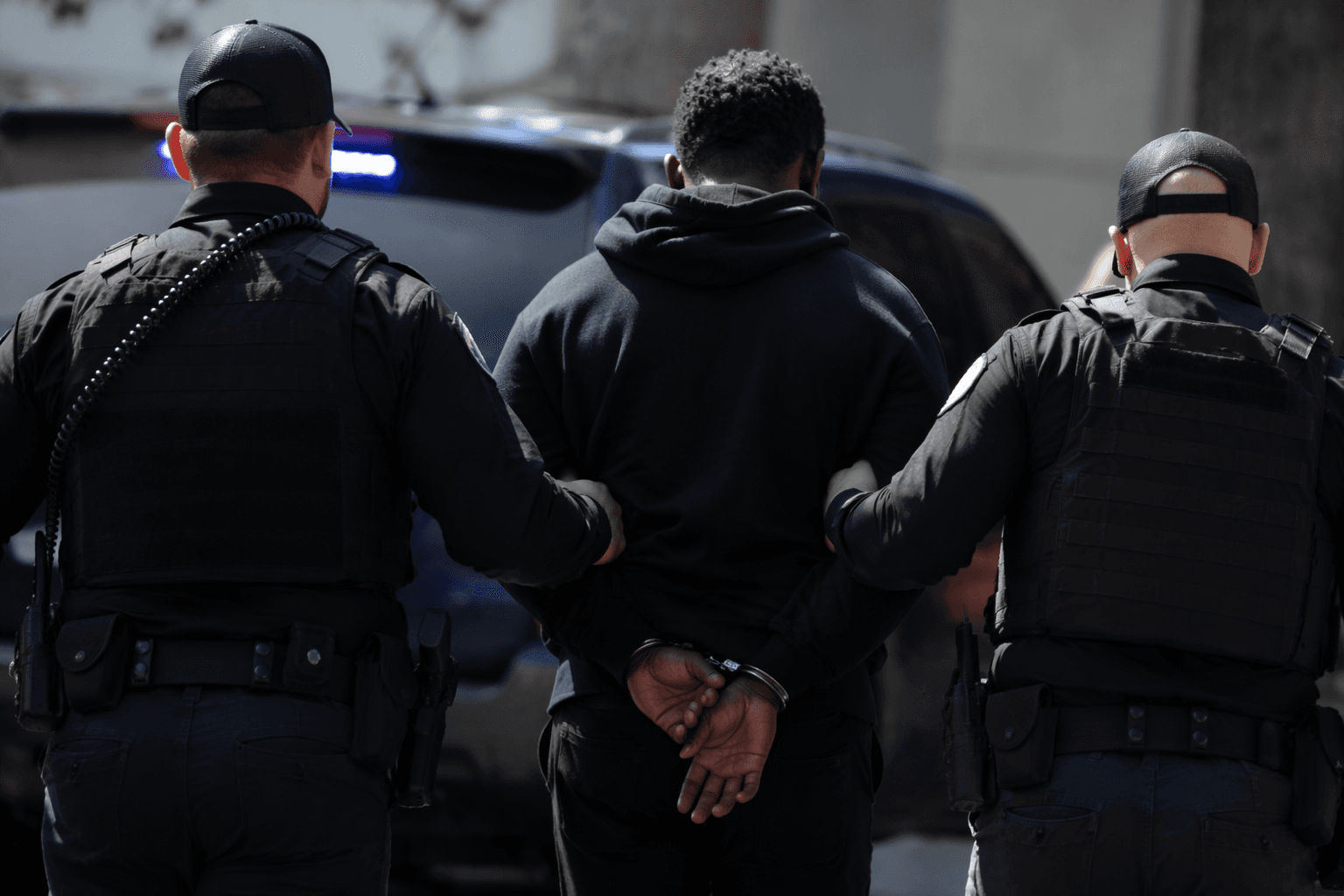
120 Hours Behind Bars Uses Five-Day Embeds to Expose Jail Strain
Discovery Channel embedded crews for five-day stays inside county jails to reveal staffing, overcrowding, and volatile incidents - a close look that matters for public oversight and local policy.

Discovery Channel has premiered a documentary series that locks cameras into county jails for five-day embeds to show how facilities actually run under pressure. The season opener aired January 19, 2026, and follows production crews through 120 consecutive hours inside local lockups to document daily operations, staffing shortages, overcrowding, and volatile incidents behind bars.
The first episode takes viewers into Washington Parish Jail in Louisiana, where the five-day embed captured booking rhythms, cellblock dynamics, and the strain on deputies and administrators juggling security, medical needs, and paperwork. Sheriff’s offices in several counties confirmed production crews spent multiple days on site for the series, and additional local jails are slated for future episodes. Rather than a narrative stitched from headline crimes, the series foregrounds the logistics of running a jail - how shifts align, how deputies manage intake and housing, and how facilities respond when population and staffing diverge.
That operational lens matters for readers who follow criminal justice and local accountability. Many debates over jail reform hinge on conditions inside facilities - staffing ratios, access to medical and mental health care, and protocols for volatile incidents. By showing five days at a time, the series gives residents, advocates, and policymakers a chance to see routine pressure points that single incidents or court filings often obscure. Observers can compare what they see on screen with reports from county commission meetings, sheriff briefings, or local oversight boards.
For jail staff and administrators, the documentary may serve as an unvarnished record of the daily grind. For sheriffs and corrections directors, the footage could be a prompt to explain staffing strategies, overtime policies, and the availability of training and support for deputies working volatile shifts. For families and community members, it provides a clearer sense of what happens after an arrest - from booking and classification to where and how people are housed.
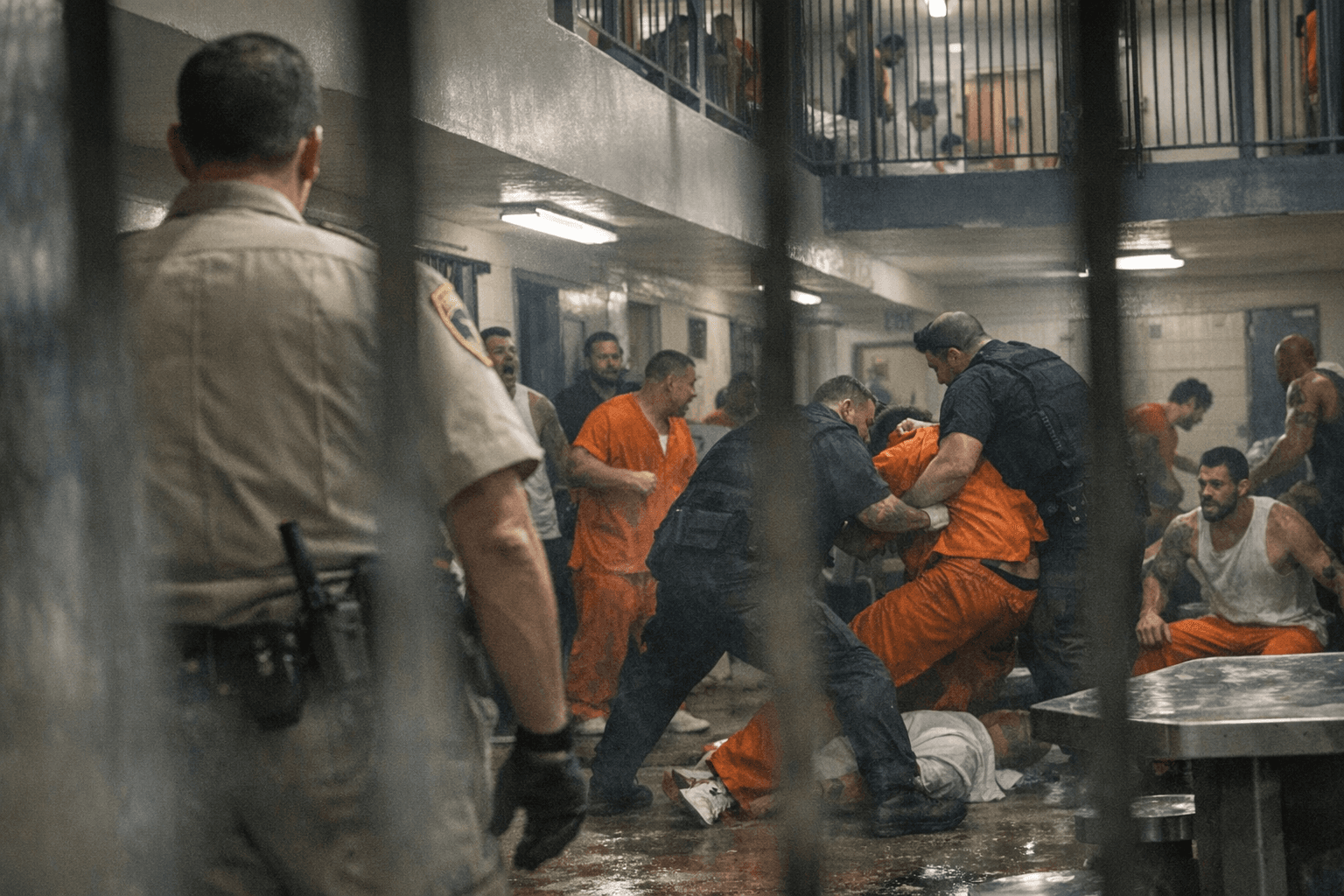
The series also reframes what viewers expect from true crime television. Rather than focusing solely on prosecutions or sensational incidents, the embeds emphasize process and capacity. That shift matters because many systemic failures - delayed hearings, medical oversights, and housing bottlenecks - play out in the administrative hours not usually captured by headline coverage.
Expect future episodes to expand the geographic sample and offer more snapshots for comparison. If you follow local corrections issues, watch with an eye toward specifics: staffing levels, intake procedures, and evidence of overcrowding. Those details are where policy choices and community oversight intersect, and they will shape local conversations long after the cameras log off.
This article was produced by Prism’s automated news system from verified source data, official records, and press releases, then run through automated quality and moderation checks before publishing. The system is built and supervised by the people who set the standards it runs under. Read our full AI policy.
Did this article answer your question?