1991 Skull Found by Dog Identified as Philip Sydnor Through Genome Sequencing
A skull found by a dog in 1991 on Barksdale Lane has been identified through genome sequencing as Philip Daniel Sydnor, giving long-awaited clarity to a decades-old cold case.
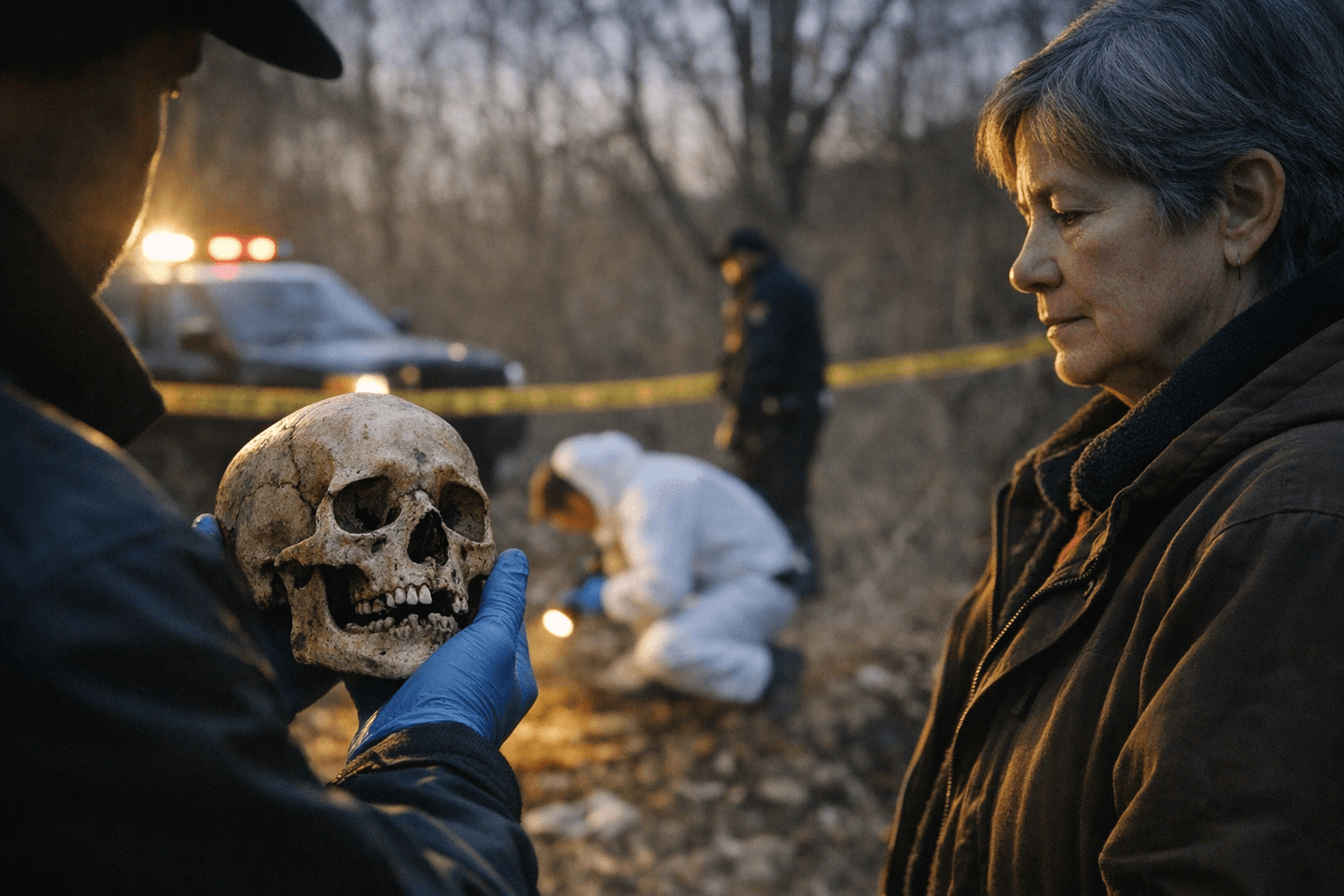
A human skull that baffled investigators for 35 years has a name. Metro Nashville Police announced on Jan. 20, 2026 that forensic genetic genealogy and genome sequencing conducted by Othram identified the skull recovered in January 1991 as Philip Daniel Sydnor, born June 21, 1950.
The skull was discovered when a dog returned to a home on Barksdale Lane with it in its mouth. At the time, officers recovered only the single skeletal element; no other bones were found during the 1991 investigation. Sydnor was known to be transient, and with only the skull available, investigators were unable to determine cause or manner of death. Those determinations remain undetermined even after identification.
The new identification followed genome sequencing and forensic genetic genealogy (FGG) analysis performed by Othram, a private laboratory that specializes in advanced DNA work on aged or degraded remains. Those techniques can link distant relatives through shared DNA and build family trees that point investigators to a likely identity, enabling progress where traditional methods stalled.
For the community that follows cold cases, this development matters on several levels. Naming the deceased restores identity and dignity, and it can help family members begin a process of closure that was impossible without confirmation. For investigative neighbors and longtime residents of areas near Barksdale Lane, the identification can revive memories and prompt fresh tips that might fill critical gaps about Sydnor’s last known movements and associates.
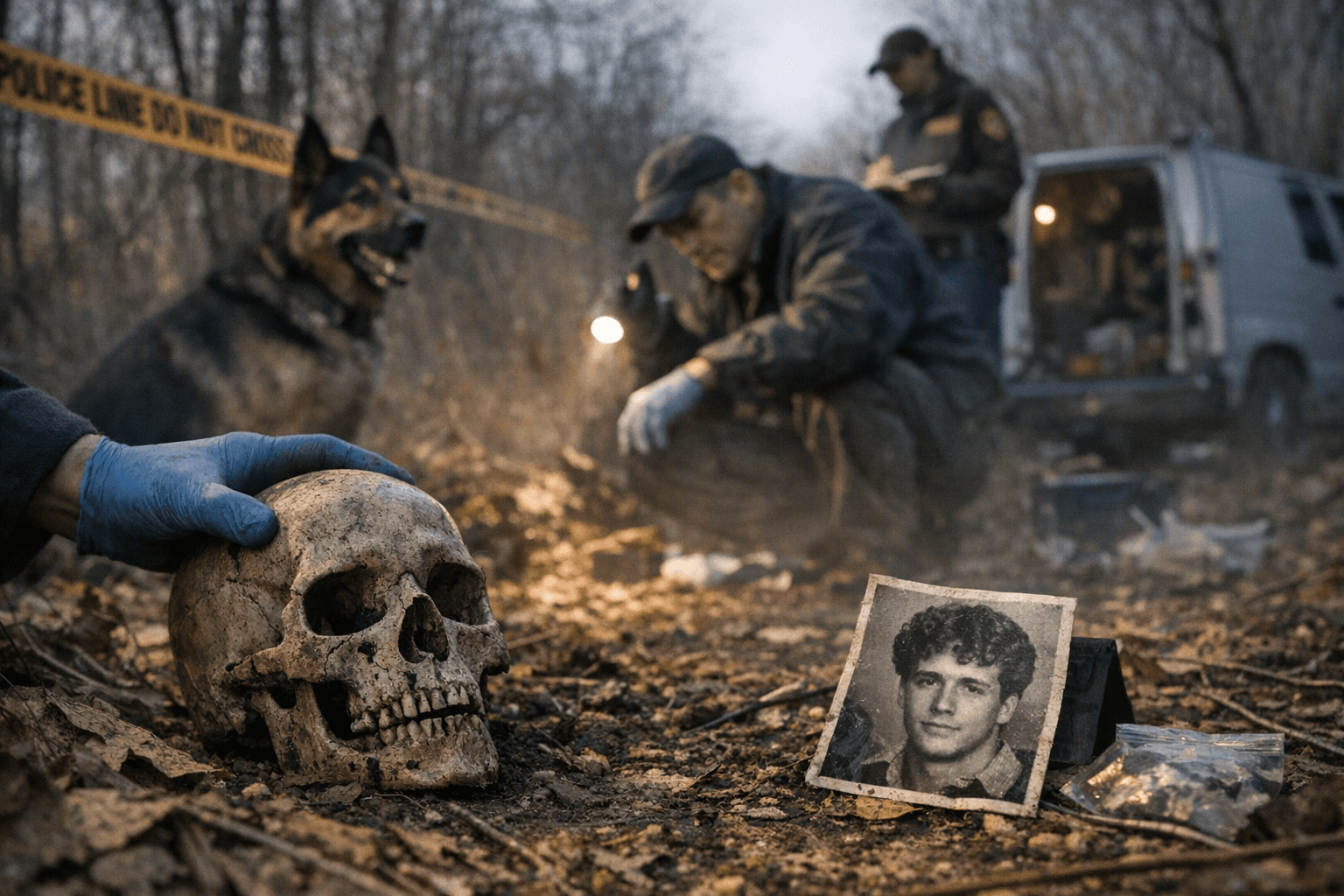
Police say the case remains active. Because only a skull was recovered, forensic work still cannot answer how Sydnor died. MNPD continues to seek information and asks anyone with relevant tips to contact the MNPD Cold Case Unit. Even small details - where Sydnor was seen, people he visited, or vehicles linked to him in the early 1990s - could point investigators toward additional evidence or witnesses.
This identification also highlights the growing role of forensic genetic genealogy in resolving cold cases long considered unsolvable. For readers tracking unresolved disappearances, it underscores a practical takeaway: biological evidence, even a single bone, can now yield identifying leads decades later. The next steps will be follow-up interviews, checks of historical records, and, if new evidence emerges, attempts to establish cause and manner of death. For a family and a neighborhood waiting for answers, the case moving from anonymous remains to a named person is a meaningful turn - and it may be the prompt needed to finally close the file.
This article was produced by Prism’s automated news system from verified source data, official records, and press releases, then run through automated quality and moderation checks before publishing. The system is built and supervised by the people who set the standards it runs under. Read our full AI policy.
Did this article answer your question?