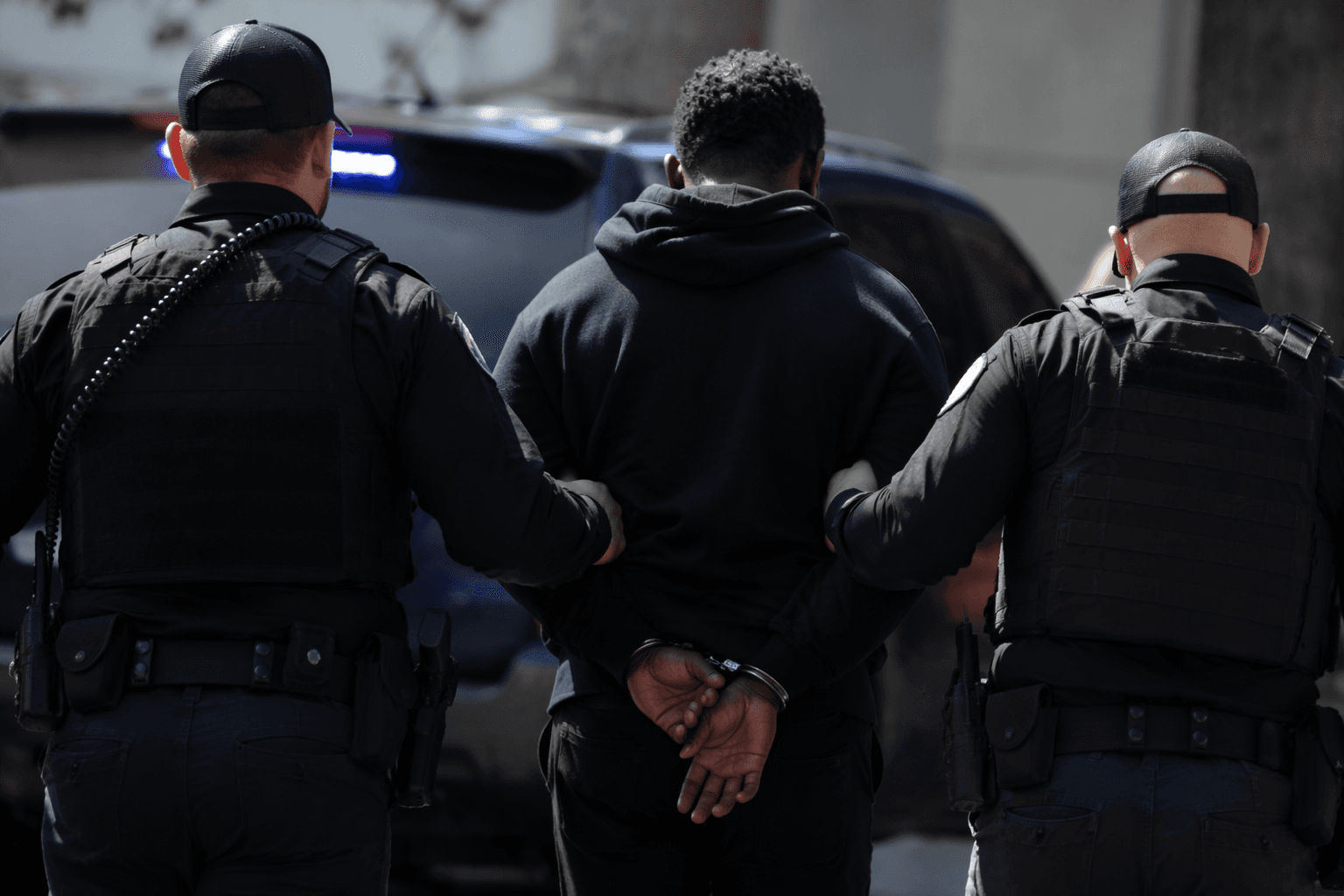
4 Massachusetts State Troopers Charged in Recruit's Death After Unsafe Boxing Drill
Enrique Delgado-Garcia was sworn in as a state trooper on his deathbed. Now four instructors face manslaughter charges for allegedly ignoring his concussion and sending him back into the ring.
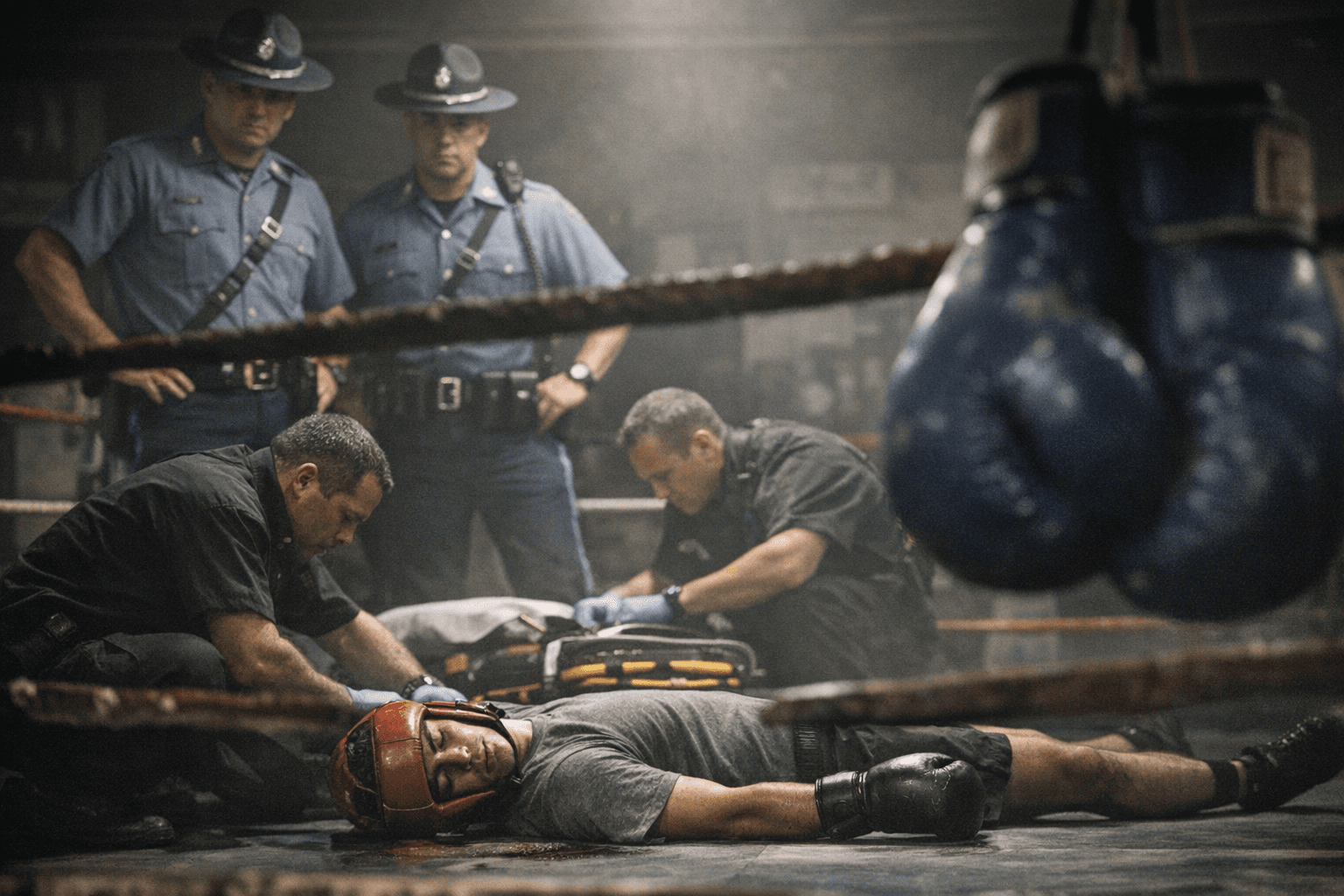
Three Massachusetts State Police instructors pleaded not guilty to involuntary manslaughter in the death of recruit Enrique Delgado-Garcia, 25, who was permitted to return to an unauthorized boxing ring the morning after suffering a concussion, a sequence that prosecutors say culminated in massive brain bleeding and his death at a hospital on September 13, 2024.
Lt. Jennifer Penton, the supervisor of the defensive tactics unit and a sergeant at the time the charges were filed, along with Troopers Edwin Rodriguez and David Montanez, stood together in a packed Worcester Superior Court on April 2, 2026, before Judge J. Gavin Reardon Jr. and responded "not guilty" as each charge was read aloud. All three were released on personal recognizance under the condition that they have no contact with potential witnesses. A fourth instructor, Trooper Casey LaMonte, is scheduled to be arraigned April 14.
The timeline reconstructed by special prosecutor David Meier, appointed by the Massachusetts attorney general to lead the investigation, runs across two days at the academy in New Braintree. Delgado-Garcia, a member of the 90th Recruit Training Troop and just weeks from completing the program, sustained a concussion during recruit-on-recruit sparring on September 11, 2024. Despite showing symptoms, he was permitted back into the ring the following morning. On September 12, he became unresponsive during the session. He died the next day. He was sworn in as a state trooper on his deathbed.
Meier concluded that the sparring was "unapproved and unsafe" and that Delgado-Garcia sustained "multiple blunt force injuries to the head and massive brain bleeding" because academy staff failed to intervene and stop the activity. An independent investigator reached the same conclusion: recruits were allowed to box without supervision, and trainers did not halt dangerous conduct. Records obtained through a public records request show Rodriguez and LaMonte each worked more than 18.5 hours on September 12.
Penton faces more than the manslaughter and serious-bodily-injury charges the other three share. She also carries a perjury count tied to her grand jury testimony, with investigators alleging she gave false answers about when she first learned of Delgado-Garcia's concussion. Her arraignment on that charge is scheduled separately for later this month. All four have been suspended since their indictments in February 2026.
Outside the courthouse, defense attorney Brad Bailey offered condolences to the Delgado-Garcia family while maintaining that the troopers' conduct does not rise to criminal behavior. Across the courtroom during the proceedings, Delgado-Garcia's relatives sat quietly and watched. Supporters outside held signs bearing the recruit's image.
Criminal charges tied to training deaths at law enforcement academies are exceedingly rare, and the Massachusetts model is already an outlier: only about one in ten police recruits nationwide train in paramilitary academy settings. The State Police announced reforms after the death, including smaller training cohorts and added oversight, but the criminal proceedings shift the central question from policy failure to personal culpability. What prosecutors must prove at trial is not merely that a young man died in training, but that the instructors recognized the danger, had the authority to stop it, and chose not to. A pretrial conference for the three arraigned troopers is set for June 16.
This article was produced by Prism’s automated news system from verified source data, official records, and press releases, then run through automated quality and moderation checks before publishing. The system is built and supervised by the people who set the standards it runs under. Read our full AI policy.
Did this article answer your question?