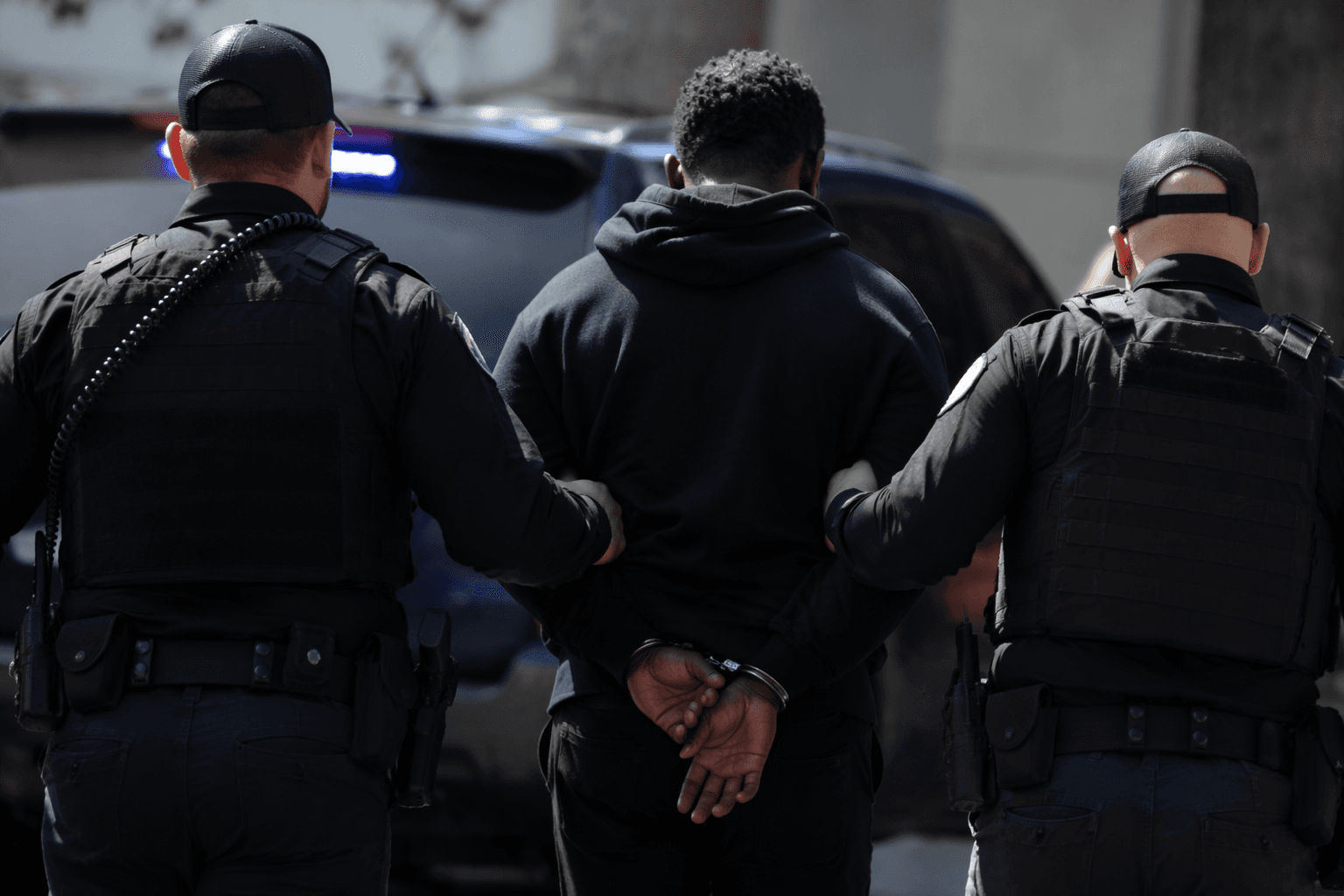
40-Year-Old Skull Found in New Hampshire Woods Identified as Warren Kuchinsky
A skull found in Bristol, N.H. woods in 1986 sat unidentified for 40 years until volunteer genealogists cracked the case in under 24 hours.

Known to investigators for nearly four decades only as "Cranium Doe," the skull found in a wooded area of Bristol, New Hampshire in 1986 finally has a name: Warren Kuchinsky, born in 1952, last known to be alive sometime in the mid-1970s.
New Hampshire Attorney General John M. Formella and State Police Colonel Mark Hall announced the identification on March 8, 2026. The Office of the Chief Medical Examiner confirmed the identity through DNA testing of a surviving family member, closing a case that had stalled at the very moment it began: investigators in 1986 simply lacked the technology to identify whose skull they had found.
The break came through forensic genetic genealogy. In 2025, the Office of the Chief Medical Examiner partnered with the DNA Doe Project, a nonprofit founded in 2017 that has helped solve more than 250 unidentified remains cases nationwide. The collaboration also drew in the University of New Hampshire Forensic Anthropology Identification and Recovery Lab and the New Hampshire State Police. When initial DNA testing produced only distant genetic matches, the DNA Doe Project designated "Cranium Doe" as the sole case study for its May 2025 virtual retreat.
Over a single weekend, more than 40 volunteer genealogists from the United States, Canada, England, and Scotland worked collaboratively online. Within hours, they had traced the unidentified man's roots to New Hampshire and Quebec. The trail led them to Kuchinsky, who had attended school in Plymouth, New Hampshire. One report noted there was no official proof of life for Kuchinsky past 1970, though officials broadly described him as last known alive in the mid-1970s.
"Through the power of investigative genetic genealogy and the dedication of our volunteer genealogists, we were able to develop a critical lead in less than 24 hours," said DNA Doe Project Team Leader Lisa Ivany. "We truly hope that this identification brings long-awaited answers to Mr. Kuchinsky's family."
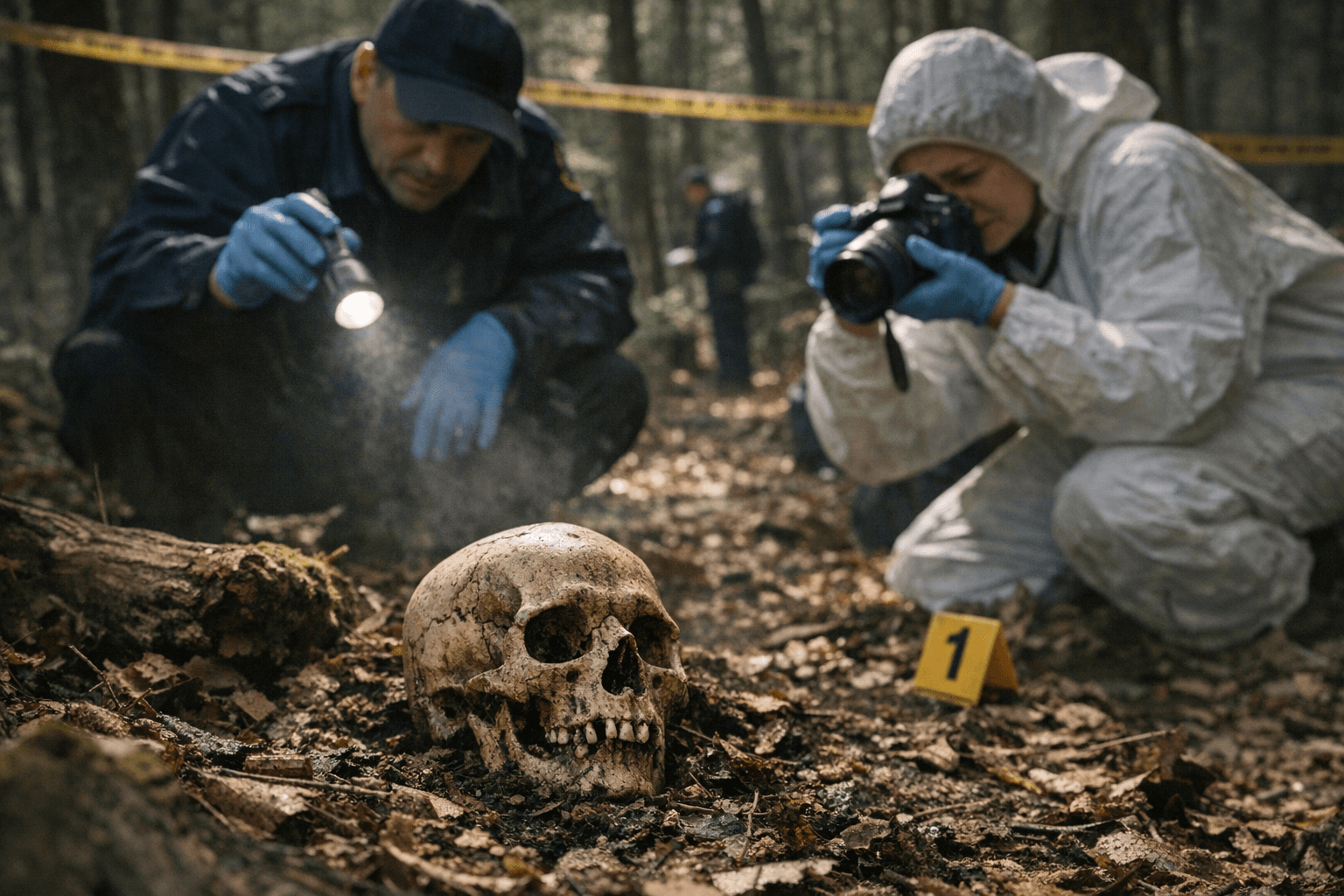
Attorney General Formella echoed that sentiment, stating in a press release: "This identification reflects the power of partnership and scientific advancement."
Officials were explicit on one point that true crime followers will note: there is no evidence that Kuchinsky's death was caused by foul play. No cause or manner of death has been released, and no charges or arrests have followed the identification. What remains open is whether the medical examiner will issue further findings, whether additional remains beyond the single skull were ever recovered, and whether Kuchinsky's family will speak publicly.
For a case that sat cold through four decades of evolving forensic science, the answer ultimately came from a weekend, a video call, and more than 40 genealogists who refused to let "Cranium Doe" stay nameless.
This article was produced by Prism’s automated news system from verified source data, official records, and press releases, then run through automated quality and moderation checks before publishing. The system is built and supervised by the people who set the standards it runs under. Read our full AI policy.
Did this article answer your question?