46-Year-Old Jane Doe Identified as Alabama Woman, Homicide Investigation Reopened
Victoria Jean Hargrove vanished from Opelika, Alabama in 1980. Genetic genealogy just gave her back her name, 46 years after her remains were found in a California ravine.
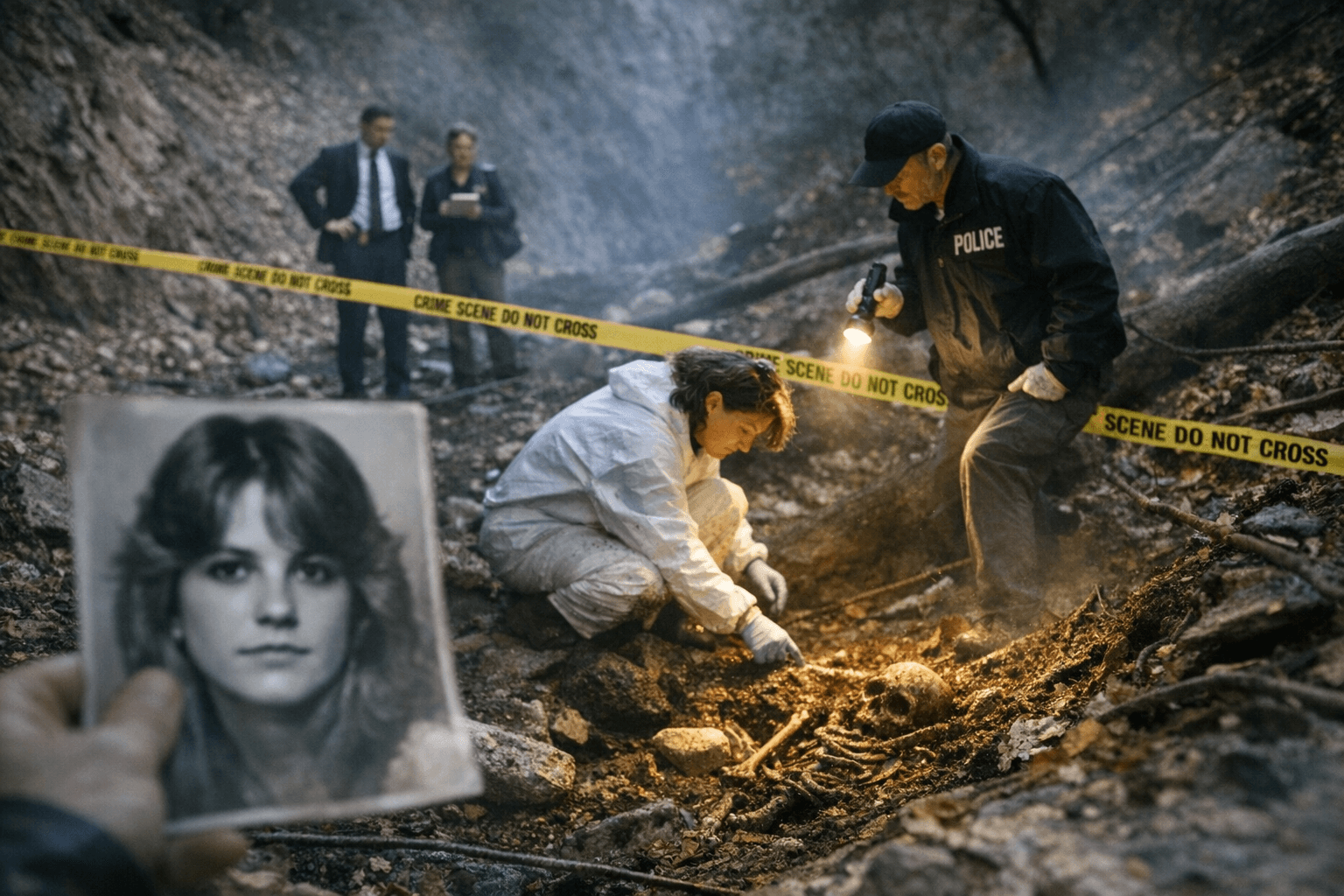
For 46 years, she was a number in a file. The remains of a young woman, discovered in a ravine off Highway 74 near Palm Desert in an unincorporated stretch of Riverside County, carried no name, no hometown, no identity. On April 3, 2026, Riverside County officials ended that anonymity: the woman was Victoria Jean Hargrove, last seen alive in Opelika, Alabama in 1980.
The identification, more than four decades in the making, came through forensic genetic genealogy. Investigators re-exhumed Hargrove's remains and submitted degraded DNA samples to Othram, a forensic genomics laboratory, in late 2024 and into 2025. Working alongside the California Department of Justice, cold-case investigators used the extracted genetic material to build out family trees, locate living relatives, and ultimately confirm a familial DNA match in early 2026. The Riverside County Regional Cold Case Homicide Team formally reopened the matter as a homicide investigation in April 2026.
What makes the Hargrove case particularly striking to anyone tracking genetic genealogy's march through America's cold case backlog is the geography. Hargrove disappeared from Alabama; her remains turned up in California. For decades, neither side of that equation connected to the other. No one in Riverside County knew who she was. No one in Opelika knew where she had ended up.
With a confirmed identity now on record, detectives can reconstruct the movements of a real person rather than an unknown decedent. Investigators can examine Hargrove's relationships and travels between Alabama and Southern California, and any records that might explain how she ended up in that ravine. Physical evidence from the original discovery can be re-examined using methods unavailable in 1980, and historical records can now be checked against a known name for the first time.
Family members, who learned through the investigation's conclusion what had become of their relative, reportedly experienced a complicated combination of grief and relief. Law enforcement has urged anyone with information about Hargrove's life or movements in 1980 to contact the Riverside County Regional Cold Case Homicide Team.
The science does not, on its own, establish how a person died or who is responsible. But in this case, it accomplished something that 46 years of conventional investigation could not: it returned a name to a woman who had been stripped of one.
This article was produced by Prism’s automated news system from verified source data, official records, and press releases, then run through automated quality and moderation checks before publishing. The system is built and supervised by the people who set the standards it runs under. Read our full AI policy.
Did this article answer your question?