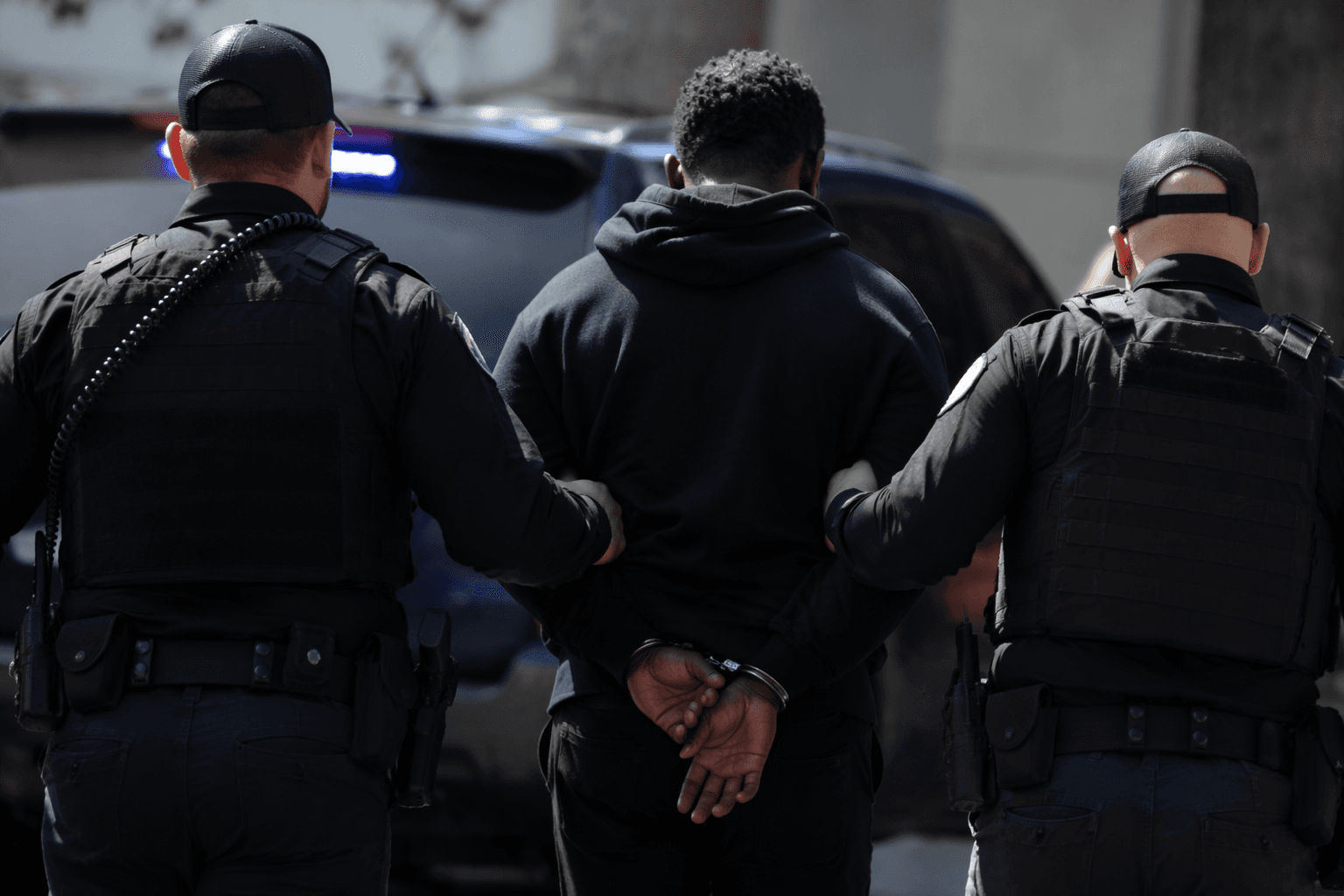
54-Year-Old Arrested in Three Fatal Shootings Across Florida and Georgia
A 54-year-old man was arrested after investigators linked him to three fatal shootings across Florida and Georgia; the arrest underscores cross-jurisdiction cooperation and public safety concerns.
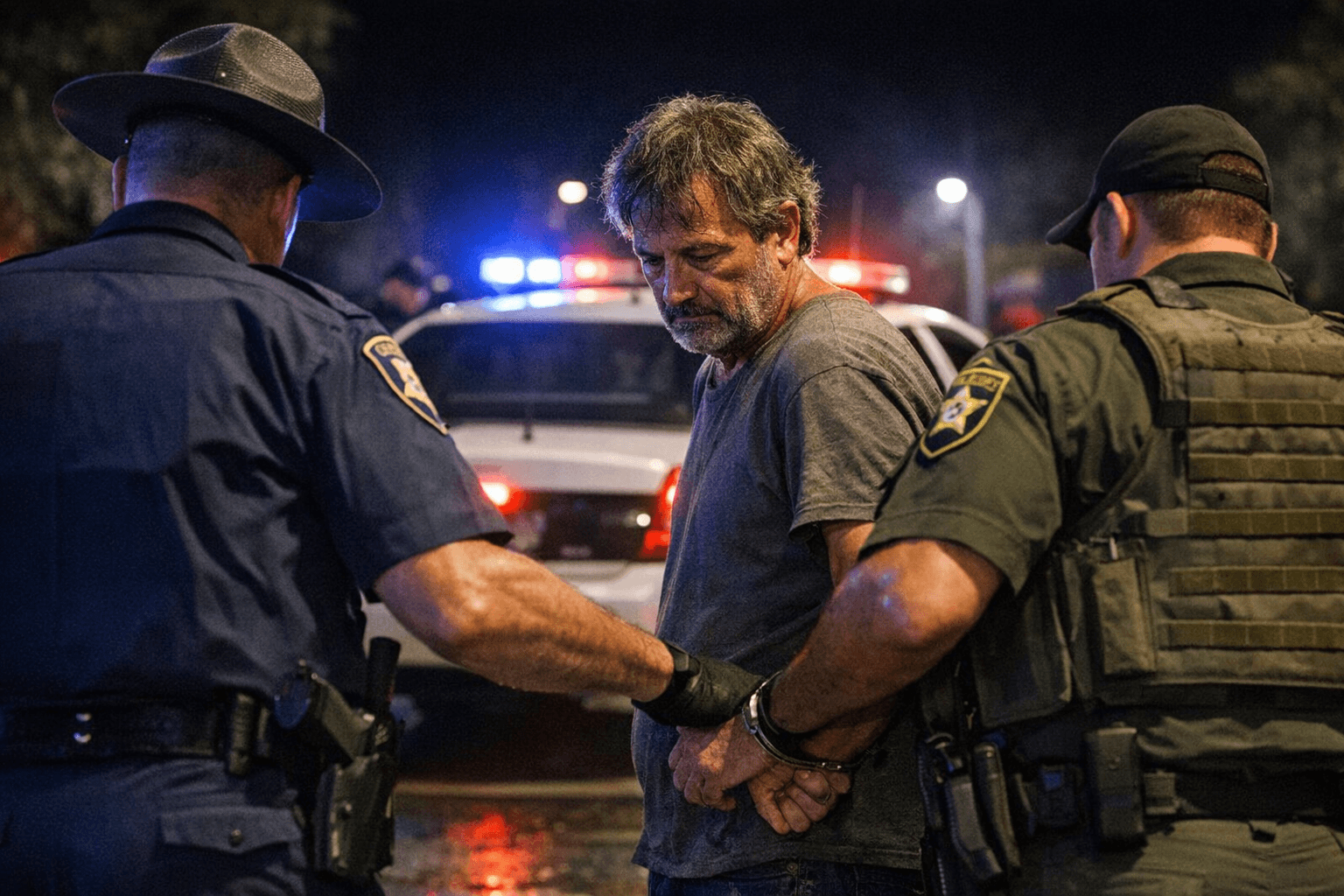
Leon County and Lowndes County authorities arrested 54-year-old Flay Rollins and charged him after investigators connected him to three separate fatal shootings in Florida and Georgia. Authorities say the investigation began with a Jan. 16 report of a suspicious death at a campground in Tallahassee, and that Rollins was later located by U.S. Marshals on an outstanding Georgia warrant.
Police allege Rollins admitted to one killing and provided information that led law enforcement to the body of a pregnant woman found in the Apalachicola National Forest. Investigators later identified another victim in Georgia. In Florida, Rollins faces two counts of first-degree murder along with firearms-possession charges; prosecutors said additional charges may be forthcoming. Rollins remains held without bond.
The case highlights how isolated crime scenes and interstate movement complicate homicide investigations. Tallahassee investigators opened the file after the campground report, then coordinated with federal marshals and Georgia authorities to track and apprehend Rollins on Jan. 22. Recovery of a body in the densely wooded Apalachicola National Forest required search resources and prompted a broader probe into possible links among the victims.
For families and communities near the scenes, the investigation raises immediate safety and information needs. Authorities reported that the victims were known to the suspect, a detail that shifts the inquiry toward motive and prior relationships rather than random violence. That detail matters for people who frequent campgrounds, work in parks, or have connections across county lines; it underscores the need to report suspicious behavior and to preserve digital and physical evidence that can accelerate linkage in multijurisdictional cases.
The arrest also illustrates practical investigative tools: outstanding warrants, fugitive apprehension by U.S. Marshals, admissions that lead to recoveries, and coordination across county and state lines. Those elements shorten the time a suspect remains at large and increase the odds of locating additional victims or evidence.
What happens next is largely procedural. Prosecutors will review evidence gathered in Florida and Georgia and decide on further charges and possible extradition steps. For residents, the immediate takeaway is that law enforcement resources were mobilized and a suspect is in custody, but the community should expect ongoing interviews, forensic testing, and court proceedings that could reshape the case as new evidence emerges. Keep local law enforcement contacts handy, report any relevant information, and follow official updates as authorities prepare for next steps in prosecution and victim notification.
This article was produced by Prism’s automated news system from verified source data, official records, and press releases, then run through automated quality and moderation checks before publishing. The system is built and supervised by the people who set the standards it runs under. Read our full AI policy.
Did this article answer your question?