57-Year-Old Melvin Cuffee Arrested in 1996 Norfolk Rape After DNA Retest
Melvin Cuffee, a 57-year-old registered sex offender, was arrested in September 2025 after DNA from a 1996 rape kit retested in 2022 linked him to the cold case.
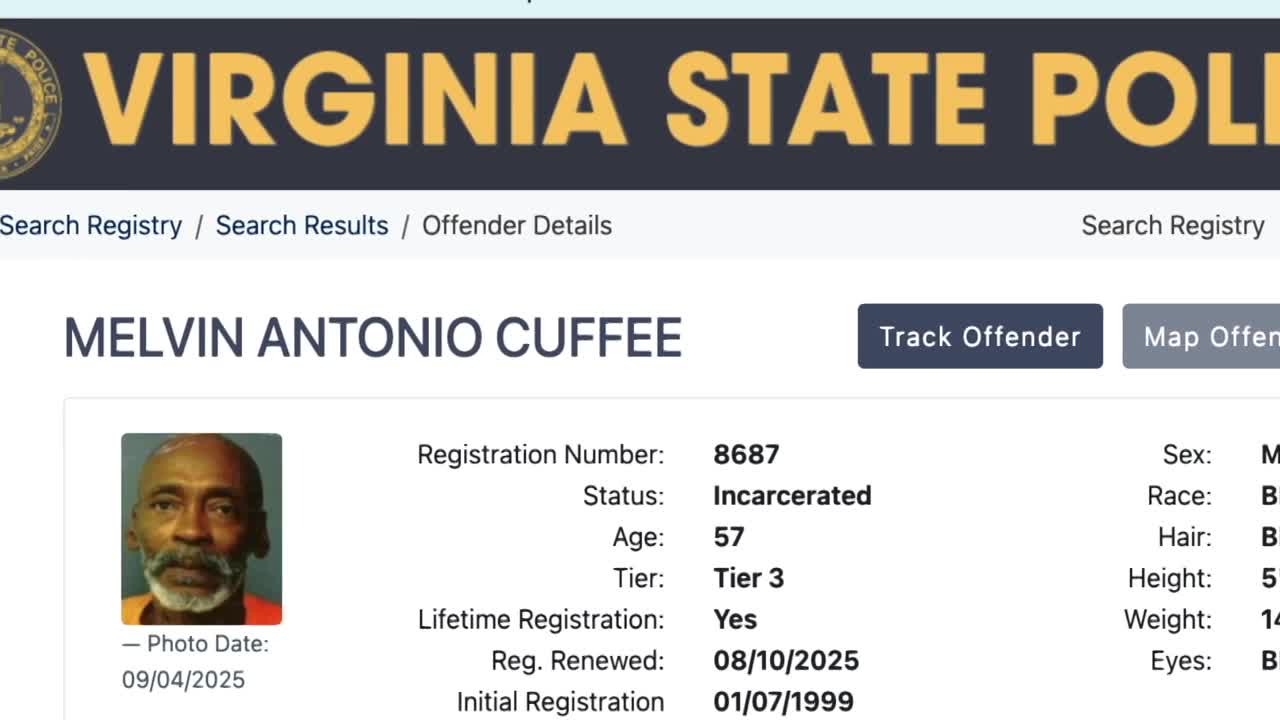
Melvin Cuffee, 57, was arrested in September 2025 and is being held in the Norfolk City Jail on six charges connected to a Feb. 12, 1996 rape in Norfolk, Virginia. New DNA testing from a retested rape kit prompted the arrest, closing a gap in a case that had sat cold for decades.
The victim’s rape kit was retested in July 2022 through the Virginia Attorney General’s Sexual Assault Kit Initiative (SAKI). That retesting produced DNA results that investigators matched to Cuffee, a registered sex offender. The case had yielded a different arrest in 1996, but that person was exonerated by DNA evidence the same year and the investigation stalled until the recent retest.
Forensic retesting programs like SAKI are designed to tackle backlogs and bring modern laboratory methods to evidence collected before current DNA technologies existed. In this instance, the retest shifted the focus from a previously cleared suspect to a new DNA link, demonstrating how older cases can be reopened and reassessed with contemporary testing.
Former Norfolk detective Richard James, who served 27 years on the force, framed the impact in human terms: “Rape is something that will stay with a victim probably for the rest of their lives so it's very, very important to make sure that there's closure in a particular case, and that you get the right person, that's very, very important.” That emphasis on accurate outcomes and closure underlines why communities and victims’ advocates have pushed for systematic retesting of sexual assault kits.

The arrest highlights practical changes for public safety and victims’ rights. For survivors, it offers a route to accountability even decades after an attack. For local communities, it signals that long-dormant evidence can still yield actionable leads, reinforcing the importance of preserving and periodically reviewing forensic materials. For investigators and advocates tracking cold cases, the result is a reminder that sustained investment in forensic programs can produce arrests long after crimes were committed.
The case now moves through the criminal justice system as prosecutors consider charges tied to the 1996 incident. For readers following cold cases, this development underscores the continuing role of DNA technology and organized retesting initiatives in resolving unsolved sexual assaults and delivering outcomes that matter to victims and the community.
This article was produced by Prism’s automated news system from verified source data, official records, and press releases, then run through automated quality and moderation checks before publishing. The system is built and supervised by the people who set the standards it runs under. Read our full AI policy.
Did this article answer your question?