Alaska State Troopers Returns for Ninth Season Highlighting Remote Policing
Alaska State Troopers resumed its ninth season in early January, with a season premiere that aired January 7, 2026. The new episodes continue to focus on ride-alongs, search-and-rescue operations, and criminal investigations in isolated communities, underscoring how Alaska’s geography and weather shape law enforcement work.
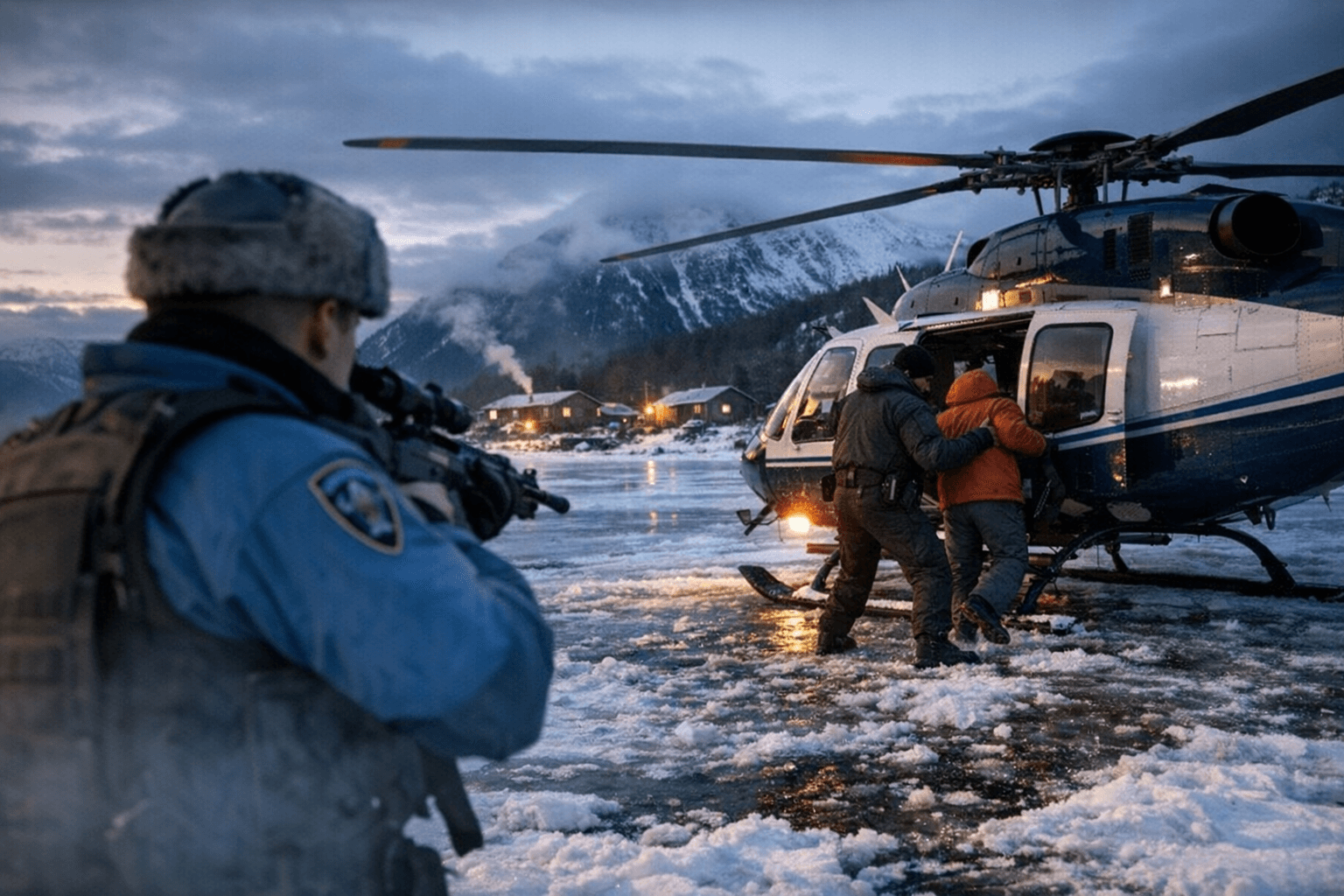
Alaska State Troopers returned to screens in early January for its ninth season, delivering a premiere on January 7, 2026 that reinforces the series’ long-running emphasis on patrol work in vast, sparsely populated terrain. The episode follows troopers as they conduct ride-alongs, mount search-and-rescue missions, and pursue criminal investigations in remote communities, showing how weather and geography influence every aspect of policing in the state.
The new season arrives at a crowded moment for true-crime programming, joining several cable and streaming premieres in the first week of January. That timing matters for viewers tracking trends in documentary policing: producers are continuing to lean into on-the-ground access and cinematic depictions of operational challenges, while audiences weigh the storytelling against community impacts and privacy concerns.
For residents of Alaska and for viewers interested in rural law enforcement, the series provides concrete snapshots of the logistical and investigative hurdles officers face. Episodes highlight extended response times, coordination across large jurisdictional areas, and the necessity of adapting tactics when highways and urban infrastructure are absent. The prominence of search-and-rescue reporting also draws attention to volunteer organizations, local clinics, and community networks that often support official responses in remote regions.
The practical value for viewers is twofold. First, the show offers a clearer sense of how environmental factors shape both emergencies and investigations, which can inform public expectations about response capabilities. Second, the series can spur local conversations about resources, training, and interagency coordination in under-served areas. Community leaders and citizens watching the season can use the episodes as a starting point for discussing preparedness, support for search-and-rescue volunteers, and ways to improve communication between remote settlements and state agencies.
True-crime audiences should watch with an eye toward production choices: camera access, editing, and narrative framing can shape perceptions of cases and communities. The new season reinforces familiar themes while spotlighting Alaska’s unique policing landscape, making it both a continuation for longtime viewers and a timely entry point for those tracking how documentary shows portray law enforcement in extreme environments.
Know something we missed? Have a correction or additional information?
Submit a Tip