Appeals court upholds Fort Hood DNA conviction, orders resentencing
DNA pulled a 24-year Fort Hood cold case back to life, but Allen Houston James will be resentenced after the appeals court said the wrong guidelines boosted his term.
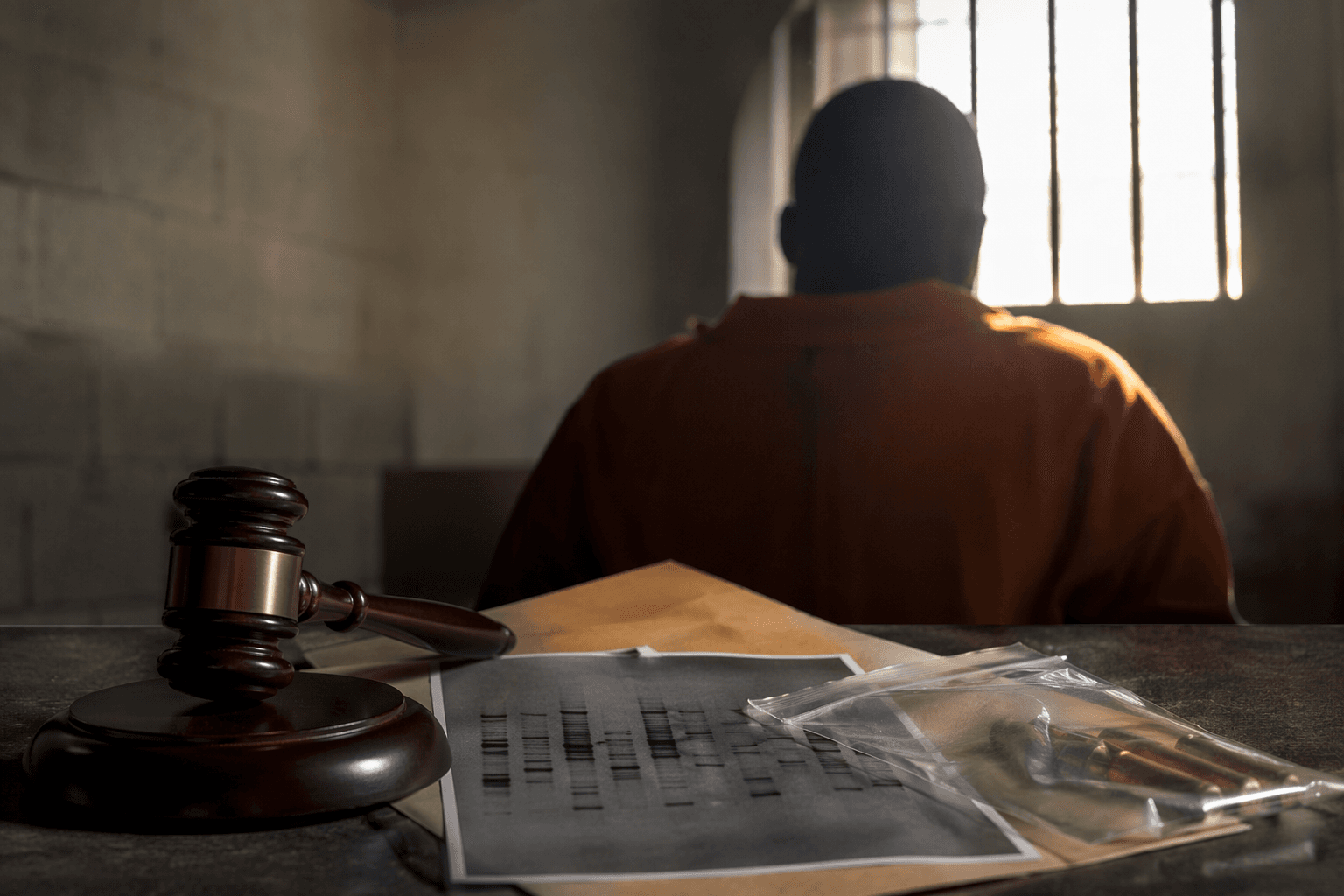
A Fort Hood barracks attack that went unsolved for nearly two decades ended with a conviction, but not a final sentence. A federal appeals court has kept Allen Houston James’s attempted-murder verdict intact while ordering a new sentencing hearing after finding the wrong federal guidelines were used.
The Fifth Circuit said a rational jury could find that James intended to kill M.M., the soldier who woke around 1 a.m. on June 18, 2000, to find an intruder in her room at Fort Hood. M.M. had been stationed at the post for just over a year and lived in Room 230 in one of the barracks around a grassy field. She described the attacker as a tall, light-skinned Black man with a bald head and a baby face, wearing black jeans and a white tank top. During the assault, he stabbed her repeatedly, including twice in the neck.
What broke the case open was DNA from semen found on M.M.’s mattress cover. Investigators first traced the profile to a close genetic relative, then narrowed it to James through forensic genetic genealogy. Army Criminal Investigation Division Special Agent Matthew Walters picked up the case in 2019 after attending an FBI seminar where genealogist Colleen Fitzpatrick presented the technique, and more than 30 people were ruled out through DNA testing before the lead pointed to James. In March 2021, investigators took a cheek swab from him that matched the crime-scene DNA.
The appellate panel, composed of Judges Don R. Willett, Wilson and Douglas, affirmed the conviction but vacated the 200-month prison term and three years of supervised release. The court said the United States District Court for the Western District of Texas used the 2023 Sentencing Guidelines Manual, even though the offense-date manual was the 1998 version. Because the later manual produced a higher advisory range, the judges found plain error and sent the case back for resentencing.
The ruling leaves the core of the case unchanged and the punishment open again. The conviction survives because the DNA and the evidence of the attack were strong enough to support the jury’s verdict, but after 24 years the sentence is still moving through the courts. For James, the fight is no longer about whether the barracks assault happened, but how much time it should cost.
This article was produced by Prism’s automated news system from verified source data, official records, and press releases, then run through automated quality and moderation checks before publishing. The system is built and supervised by the people who set the standards it runs under. Read our full AI policy.
Did this article answer your question?