Beginner's Guide to Ethical True Crime Research for Hobbyists and Podcasters
Learn clear, practical ethics and verification steps for researching and reporting true crime responsibly as a hobbyist or podcaster.
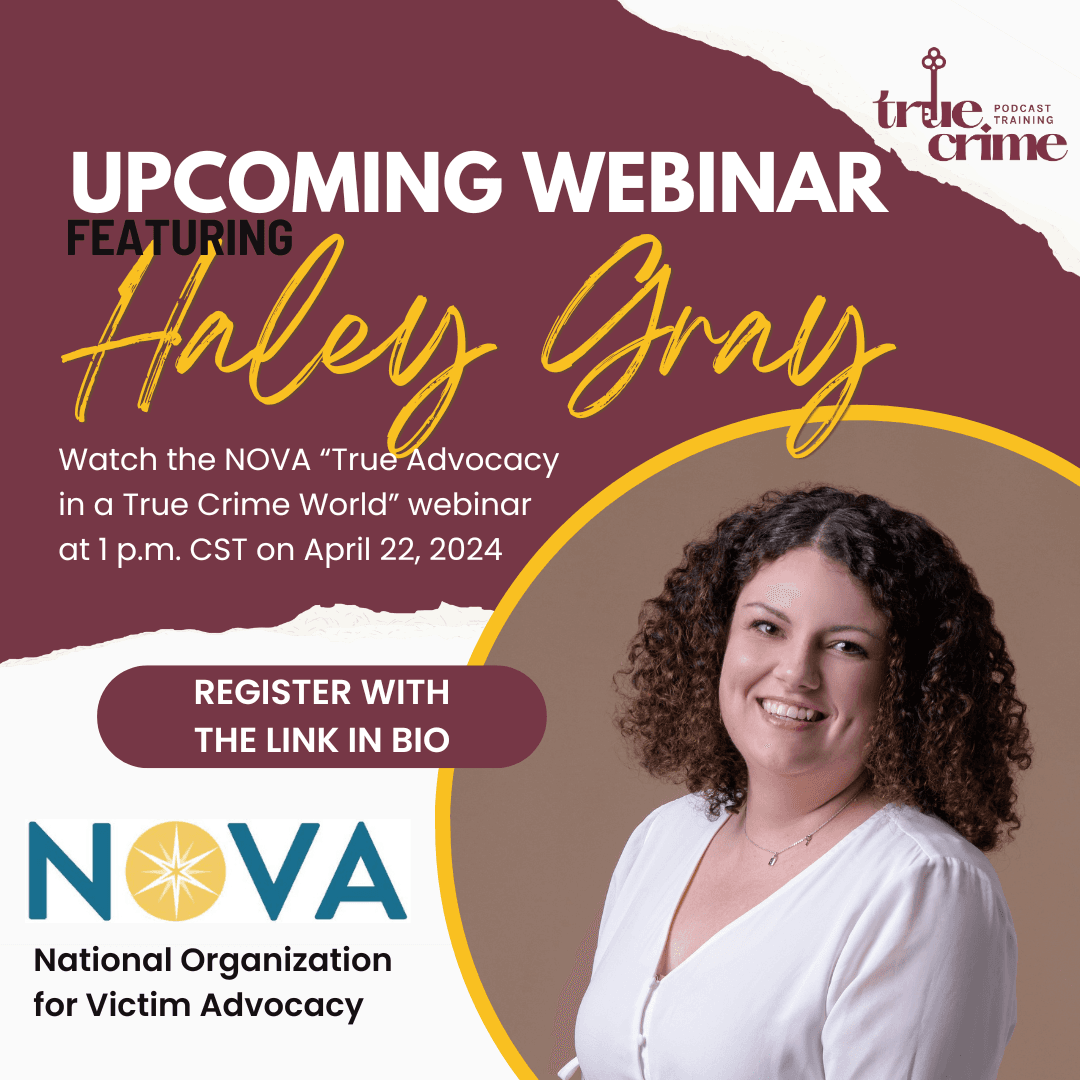
This guide explains what ethical true crime looks like in practice, how you can identify it as a consumer, and why it matters for everyone involved, victims, families, investigators, and the public. It covers legal, ethical, and practical steps to gather, verify, and present information without jeopardizing ongoing investigati
1. Source everything
Every factual claim should trace back to a verifiable source. Prioritize primary documents when you can: court documents, sworn testimony, official reports, and on-the-record statements form the foundation. When primary sources aren’t available, label secondary reporting clearly and explain how you reached any inference. Speculation should be clearly labeled as such, and kept to a minimum.
2. Prioritize victim dignity
Victims were real people with full lives before they became crime statistics. Ethical true crime acknowledges their humanity and resists reducing people to a single event. It doesn’t reduce them to just ‘the body’ or focus disproportionately on their suffering; instead, center context, relationships, and the person’s life beyond the incident. This approach builds trust with audiences and reduces harm to families and survivors.
3. Distinguish fact from allegation
Not everything charged is proven. Not everything suspected is true. Use careful, precise language: “allegedly,” “according to prosecutors,” “the defense claimed.” This isn’t hedging, it’s accuracy. Make it routine to state what is proven by documents or testimony, what is asserted by parties, and what remains unverified so listeners and readers can follow the difference.
4. Consider the living
Crime stories affect survivors, family members, and communities. Ethical creators consider how their content will impact these people and weigh whether certain details serve public understanding or only satisfy curiosity. Sometimes this means omitting certain details. Sometimes it means reaching out before publication. Treat living people with the same care you’d want if your own family member was involved, and be honest about what you know, what you don’t know, and where your information comes from.
5. Serve a purpose
Entertainment value alone isn’t enough. Ethical true crime should educate, illuminate systemic issues, honor victims’ memories, or contribute something meaningful beyond voyeurism. Before you publish an episode or post, ask what the story accomplishes: does it clarify a public-safety issue, expose systemic failures, support community accountability, or simply entertain? Choosing a purpose helps steer reporting away from exploitative storytelling.
6. Avoid glorifying perpetrators
Criminals don’t deserve celebrity treatment. While understanding criminal behavior has value for prevention and context, ethical true crime doesn’t romanticize perpetrators or treat their actions as fascinating rather than harmful. Keep focus on facts, impacts, and systems rather than personality cults, and don’t let stylized narratives or sensational production choices elevate the offender over the victims.
7. Practical verification steps
Start every investigation by identifying primary documents to obtain: arrest reports, court filings, transcripts, and official reports. “Court documents, sworn testimony, official reports, and on-the-record statements form the foundation.” When you quote a witness or official, record the on-the-record status and date; if something is off the record or anonymous, label it as such in your notes and avoid presenting it as confirmed. Maintain a simple evidence log linking each published claim to its source so you can defend your reporting and correct errors quickly.

8. Language and framing guidelines
Use attribution and qualifiers routinely: phrases like “allegedly,” “according to prosecutors,” and “the defense claimed” should be part of your narrative toolkit. “Ethical true crime uses careful language: ‘allegedly,’ ‘according to prosecutors,’ ‘the defense claimed.’ This isn’t hedging, it’s accuracy.” Frame motives and theories as hypotheses unless corroborated by evidence, and avoid definitive storytelling about intent or guilt until the record supports it.
9. Handling living people and outreach
Before you publish, consider whether reaching out to survivors, family members, or community leaders will improve accuracy or be retraumatizing. “Crime stories affect survivors, family members, and communities. Ethical creators consider how their content will impact these people.” Offer interviewees clear context: how the material will be used, whether names or graphic details will be published, and whether they want any aspects omitted. When sensitive material doesn’t add to public understanding, choose restraint.
10. How to identify ethical true crime content
Look for work that documents sources, distinguishes allegation from fact, centers victims’ dignity, and explains why the story matters beyond entertainment. Transparency, about sources, about what is unknown, and about editorial decisions, is a hallmark of ethical content. If a piece aims primarily to shock, glorify a perpetrator, or withhold sourcing, treat it skeptically and choose other reference material for your own research.
- Trace every factual claim to a verifiable source and note that source in your research log.
- Prefer primary documents: court documents, sworn testimony, official reports, on-the-record statements.
- Label speculation clearly and keep it minimal.
- Use careful language for allegations: “allegedly,” “according to prosecutors,” “the defense claimed.”
- Do not reduce victims to statistics or “just ‘the body’.”
- Consider impact on survivors, families, and communities; omit details or contact families when appropriate.
- Ensure your project serves a purpose beyond entertainment.
- Avoid romanticizing perpetrators or giving them celebrity treatment.
- Be honest about what you know, what you don’t know, and where your information comes from.
11. Quick checklist for your episodes and posts
12. Legal and safety caveats
This guide covers legal, ethical, and practical steps to gather, verify, and present information without jeopardizing ongoing investigati , but it does not replace jurisdiction-specific legal advice. Look up local rules on public records, contempt/sub judice restrictions, defamation, and privacy before publishing material that could intersect with active proceedings. When in doubt, consult a legal professional or an experienced editor.
Closing practical wisdom Start small, stay rigorous, and treat every story as a responsibility. Build habits, source logs, clear attributions, pre-publication outreach, that protect people and strengthen your credibility. Ethical true crime makes your project more trusted and useful: it helps audiences understand complex cases without retraumatizing communities, and it keeps you on the right side of both law and conscience.
This article was produced by Prism’s automated news system from verified source data, official records, and press releases, then run through automated quality and moderation checks before publishing. The system is built and supervised by the people who set the standards it runs under. Read our full AI policy.
Did this article answer your question?