Bullhead City Jane Doe identified as Sonya Langan after 37 years
Castleberry Kate was named as Sonya Alice Langan after 37 years, thanks to familial DNA that finally linked the unidentified victim to surviving relatives.
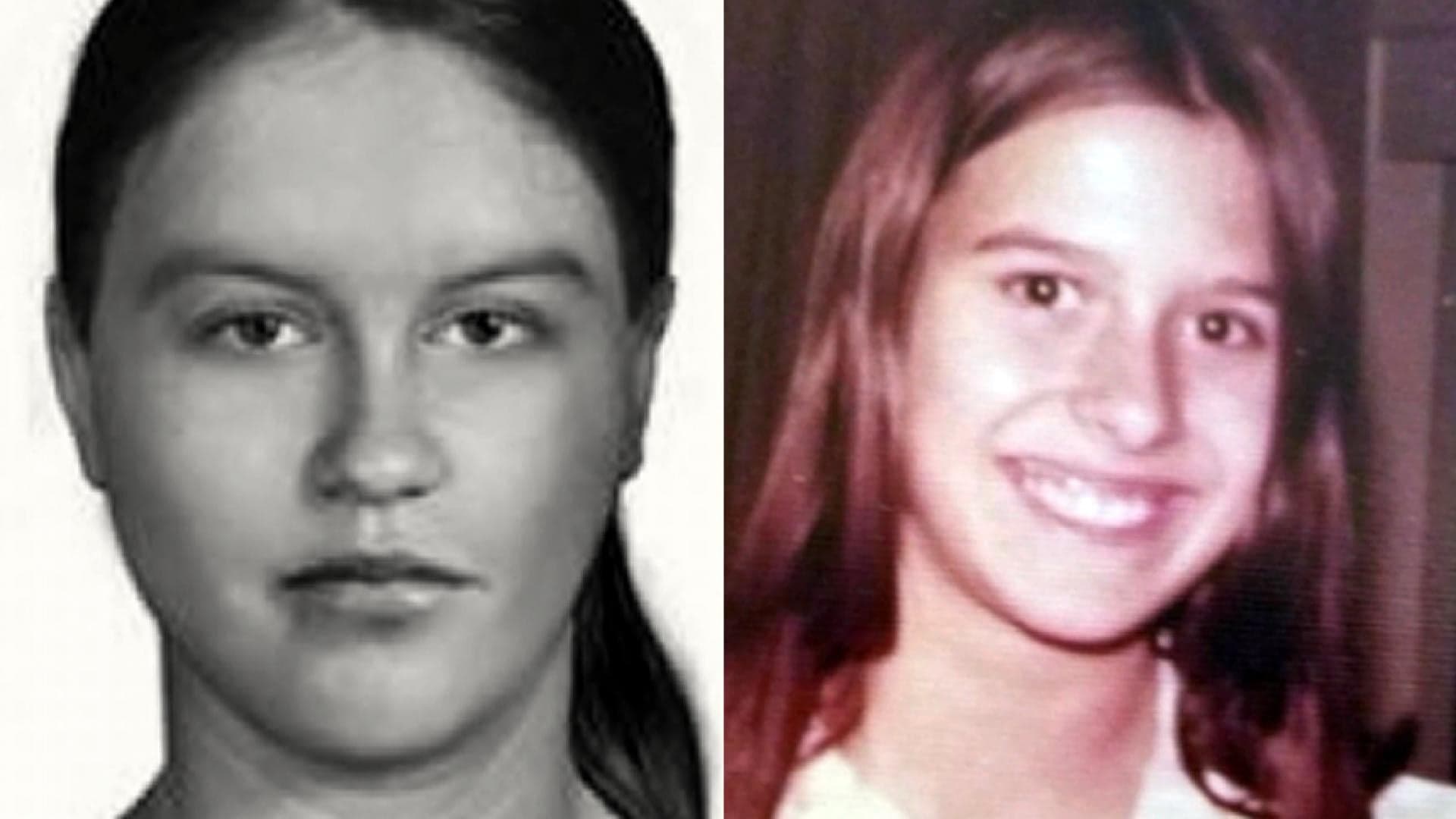
Nearly 37 years after construction workers found her buried in a vacant lot off Castleberry Lane, Bullhead City investigators finally gave Castleberry Kate a real name: Sonya Alice Langan.
Bullhead City police announced the identification on June 4, 2026, saying the woman long listed as a Jane Doe had been confirmed through familial DNA and follow-up work with surviving relatives. The breakthrough turned a cold case nickname into a documented life, closing a decades-long gap that had kept the victim anonymous since 1989.
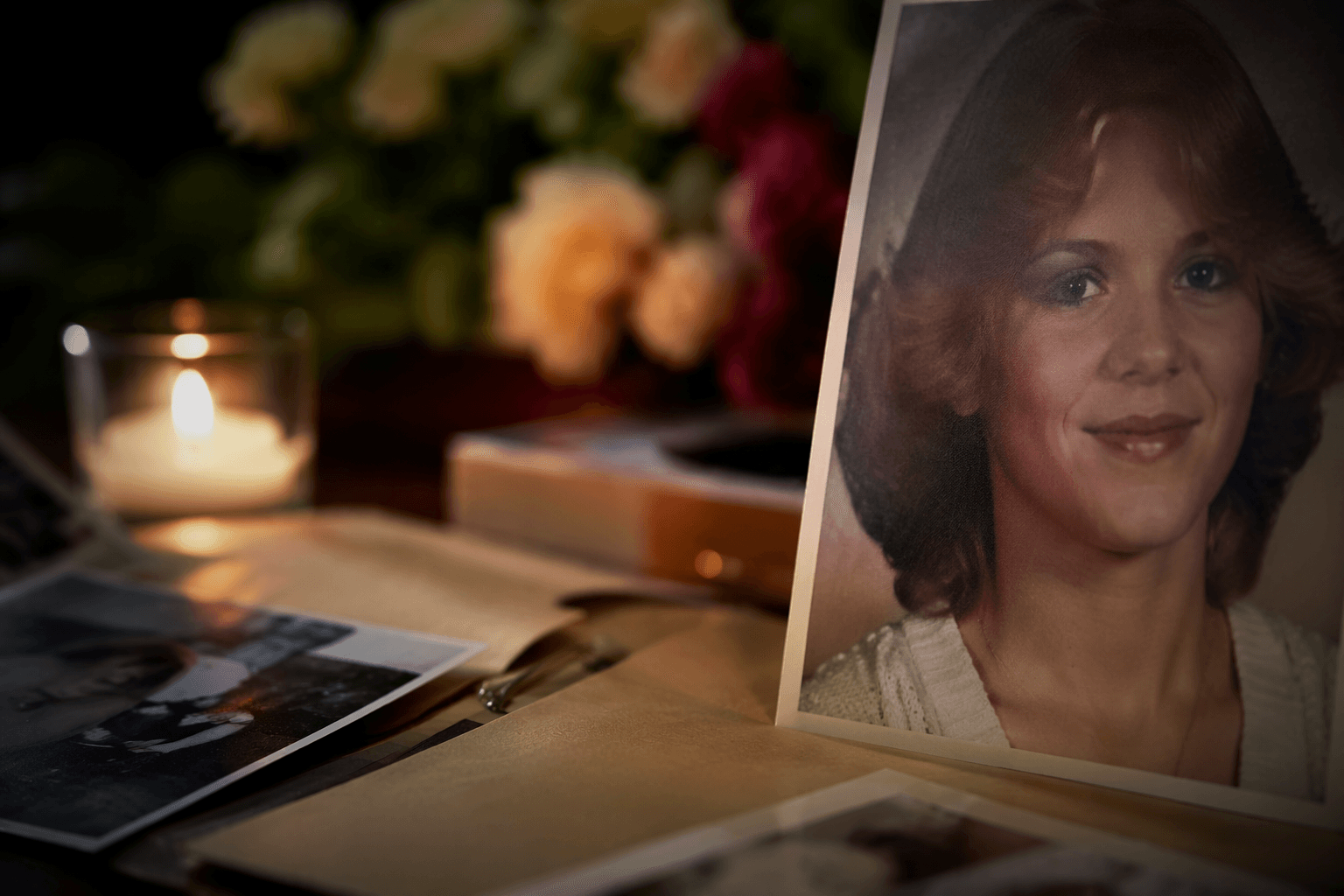
The remains were discovered on May 15, 1989, when a construction crew digging a gas line trench found skeletal remains near Castleberry Lane and Riverside Drive in Bullhead City. Investigators determined the victim was a female between 17 and 19 years old, and a bullet recovered from her skull confirmed the death was a homicide. The DNA Doe Project case page said she could have died as early as 1979, which helped explain why the remains were so difficult to trace back through missing-person reports and older records.
That delay mattered. Sonya Langan was never formally reported missing to law enforcement, and relatives told detectives they believed she had left home around 1982, when she was about 17 or 18 years old. Family contact had become strained and intermittent, so when she dropped out of Kingman High School as a freshman in 1979, lived near River Glen Drive, and worked at Burger King before disappearing from view, the trail went cold in family memory long before it reached police files.
The identification started moving only after a 2024 grant opened the door for forensic genealogy. Bullhead City police said the Mohave County Sheriff’s Office Special Investigations Unit approached them that year about possible federal grant funding, and evidence from the case was submitted to the DNA Doe Project. Investigative genetic genealogists later produced a 99 percent match in late 2025, then detectives worked with relatives who provided their own DNA samples to confirm the identification.
The details preserved with the remains helped anchor the case for years: shoulder-length brown hair that may have been partially bleached, extensive dental work, two missing upper teeth replaced by a partial denture plate, and a multicolored owl earring found with the body. Bullhead City police publicly thanked the DNA Doe Project, the National Center for Missing & Exploited Children, SIU Investigator Lori Miller, and Dr. Bruce Anderson of the Pima County Medical Examiner’s Office for pushing the case forward.
Langan’s name changes the investigation, but it does not close it. The homicide remains open, and detectives are still asking anyone who knew Sonya Alice Langan or has information about her death to come forward as the 1989 killing at Castleberry Lane finally shifts from unidentified remains to a case with a history, a timeline, and a victim the city can no longer call unknown.
This article was produced by Prism’s automated news system from verified source data, official records, and press releases, then run through automated quality and moderation checks before publishing. The system is built and supervised by the people who set the standards it runs under. Read our full AI policy.
Know something we missed? Have a correction or additional information?
Submit a Tip