Caregiver charged with murder in death of non-verbal woman with autism
Aaliyah Fortner could not speak for herself, and prosecutors say that silence helped hide a deadly pattern of abuse inside a Dallas care home.

Aaliyah Fortner depended on others for everything, and prosecutors say that dependence became the opening for abuse that ended in her death. The 23-year-old, who was non-verbal and had severe autism, was at the center of a Gaston County murder case that now reaches beyond one defendant to the caregiving system meant to protect her.
Marlo Wallace, 59, was formally charged June 5 with first-degree murder after prosecutors said they had to wait for autopsy results before moving forward. Wallace had first been charged in November 2025 with concealment of death from unnatural causes, patient abuse and neglect, and felony assault of an individual with disabilities. Vera Williams, 54, was also charged in the case with patient abuse and neglect and felony assault of an individual with disabilities.
Investigators said the case turned in part on video. Prosecutors told the court that surveillance footage from the Greenbrook Trail home was deleted, but some of it was later restored. District Attorney Travis Page said the restored video showed some of the worst degrading abuse he had seen in his career. Court records and reporting also say prosecutors believe Williams shocked Fortner with a Taser and beat her with a broom, while Wallace was accused in the broader abuse case as well.
Fortner’s body was found inside the Dallas, North Carolina home on Oct. 26, 2025, after Wallace crashed on Interstate 85 near Exit 21 and later told investigators they would find a deceased person at her home. Additional reporting says the house in the 1800 block of Greenbrook Trail had been operating as a group care home without a state license since 2022, a detail that has sharpened scrutiny of how disabled adults are screened, placed, and monitored.
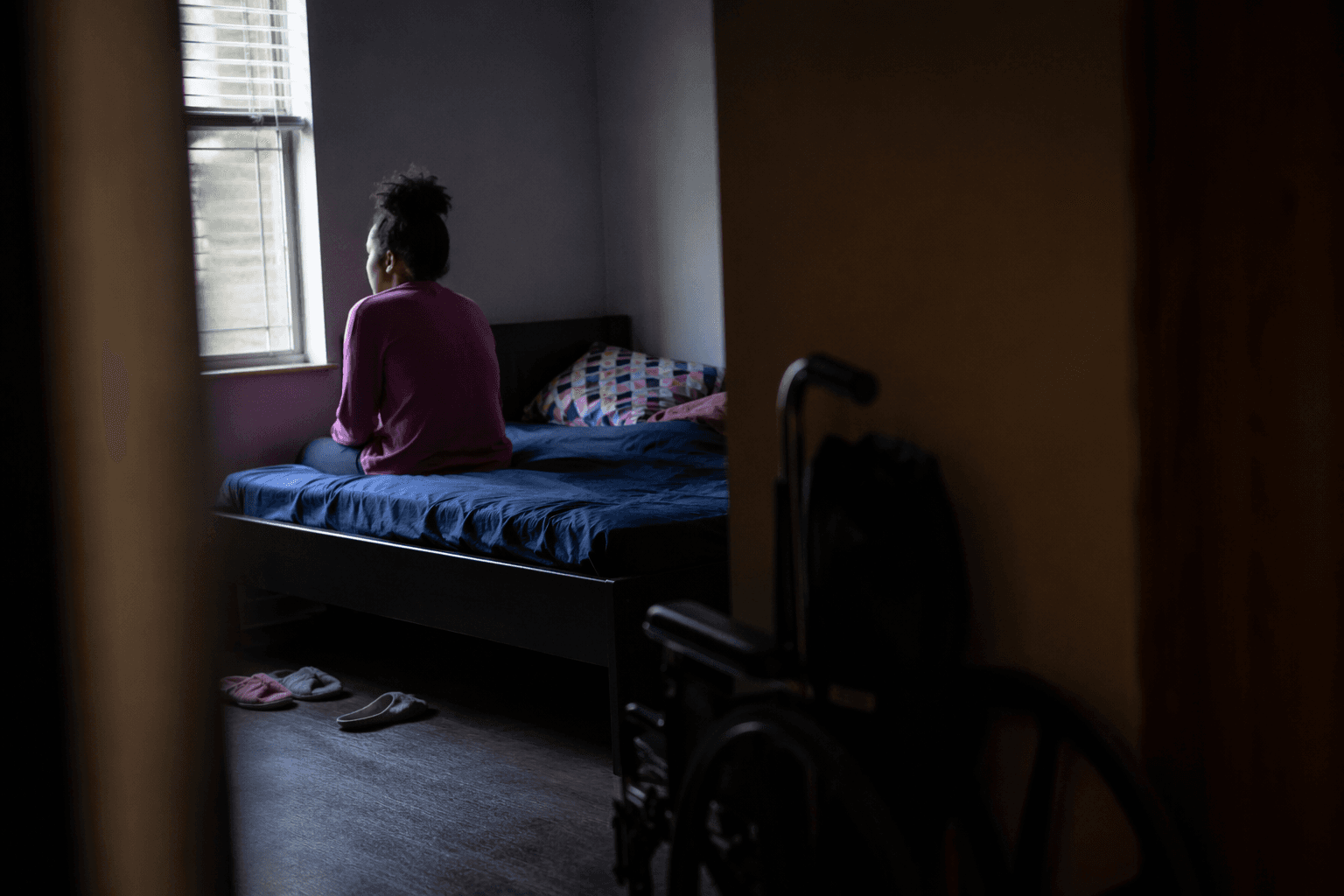
That scrutiny has only deepened as family members have spoken out. Fortner’s brother, Caleb Simpson, said the family wants accountability and believes anyone who did nothing to help should be charged. His relatives said she had the mind of a young teenager and could not tell anyone if she was being mistreated. Her mother, Willie Simpson, said she is angry and still does not understand what her daughter could have done to be hurt that way. Her great aunt, Dorothy Brown, said the defendants should never be able to walk the streets again. Fortner’s former guardian, Glenda Watkins, said she did not believe the self-defense claim.
Wallace remained jailed after the judge denied bond, and she is due back in court on June 19. The case has also put fresh attention on North Carolina Senate Bill 400, which would allow county adult-protection multidisciplinary teams to review active cases involving disabled adults, including adults with autism, and flag system failures before another vulnerable person ends up trapped in a home like the one on Greenbrook Trail.
This article was produced by Prism’s automated news system from verified source data, official records, and press releases, then run through automated quality and moderation checks before publishing. The system is built and supervised by the people who set the standards it runs under. Read our full AI policy.
Know something we missed? Have a correction or additional information?
Submit a Tip