ChatGPT misuse derails Georgia murder trial, juror held in contempt
A prospective juror’s ChatGPT search polluted a Georgia murder panel, triggering contempt, a fresh jury pool and another delay until November.
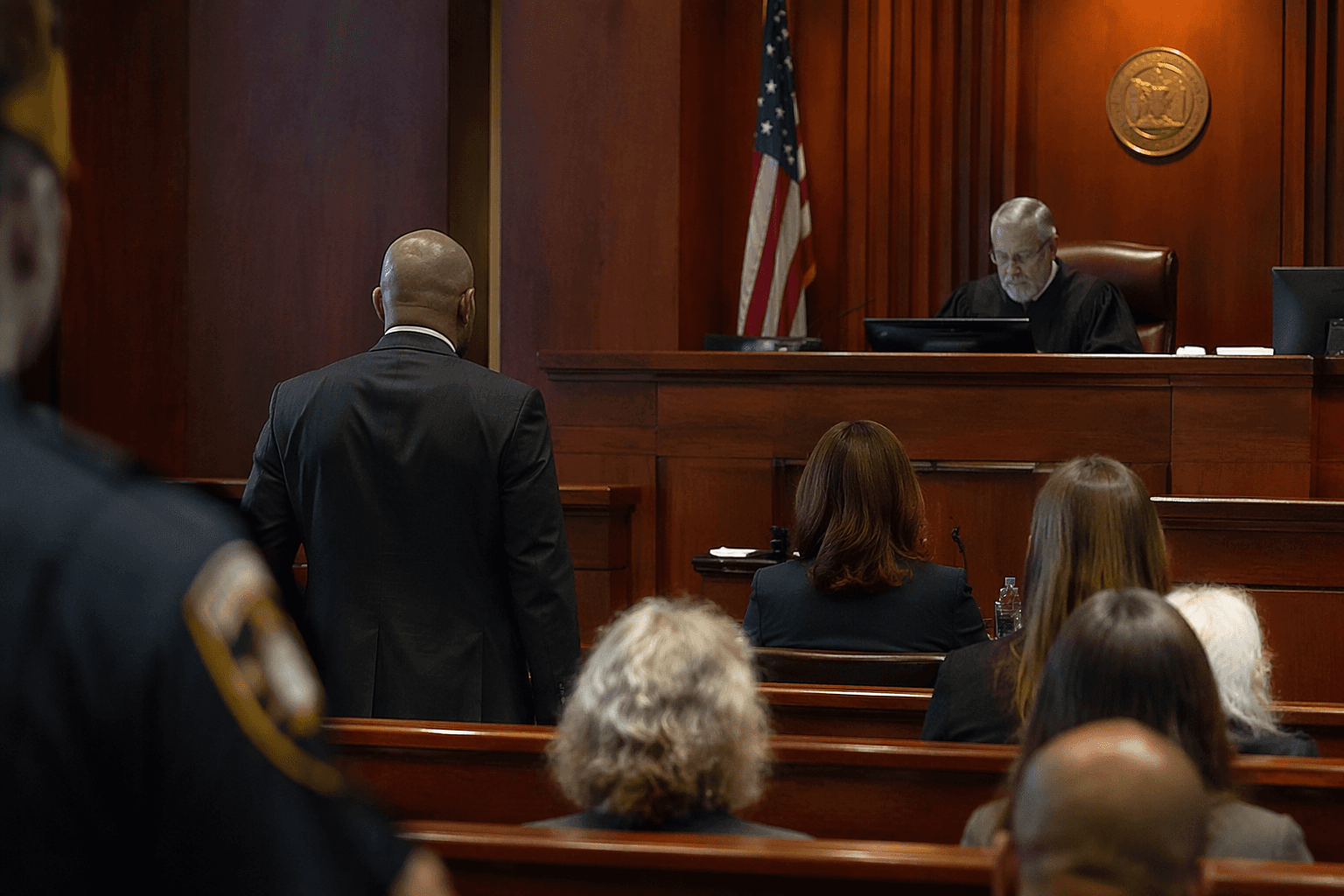
A Georgia murder trial that had already been delayed for years stalled again when a prospective juror allegedly turned to ChatGPT about the case and then shared what he found with other people waiting to be seated. The judge held the juror in contempt, dismissed the rest of the panel and reset the case for November.
The defendant is Lacy Jolee Boles, 43, who is charged with malice murder, felony murder and aggravated assault in the 2019 death of her husband, Daniel Akers, who was 36. Boles has pleaded not guilty and has said Akers took his own life. Prosecutors say the evidence points in the other direction and that investigators found major inconsistencies in her account of what happened inside the couple’s home.

Akers died on December 22, 2019, in a home on Braemill Court in Dallas, Georgia, after deputies were called there on a 911 report of a possible suicide attempt. The Georgia Bureau of Investigation later determined that the gunshot wound was not self-inflicted and classified the death as a homicide. Paulding County detectives secured warrants for Boles on May 29, 2020, and she was released on a $100,000 bond on June 6, 2020.
What makes the latest delay so consequential is that the contamination happened during voir dire, before a jury was even sworn. The court had already told prospective jurors not to do any outside research and not to discuss the case, but the alleged ChatGPT use broke both rules at once. In a capital-case-adjacent murder trial, that kind of breach can force a judge to start over because even a tainted panel can no longer be trusted to be fair and impartial.
Georgia law gives judges broad authority to excuse for cause any juror who appears substantially impaired in the ability to be fair and impartial, and that standard is exactly why an AI-driven sidebar can derail a panel before opening statements. The problem is no longer limited to people Googling a defendant or reading comment sections. Generative AI can now summarize, invent, or distort facts fast enough to contaminate a whole room before a court has the chance to stop it.
The Boles case lands as Georgia’s courts are already reviewing how to govern AI, with judicial leaders and the Georgia Supreme Court moving through a multi-year policy process and issuing recommendations for use in the justice system. For Boles, who remains free on bond and is represented by Brian Steel, the next chapter is not a verdict but another attempt to seat an untainted jury. After years of delay, the question now is whether the case can finally get past the contamination at the door.
This article was produced by Prism’s automated news system from verified source data, official records, and press releases, then run through automated quality and moderation checks before publishing. The system is built and supervised by the people who set the standards it runs under. Read our full AI policy.
Did this article answer your question?