Convicted Torso Killer Admits 1965 Murder of Nursing Student
Fair Lawn police announced on January 6, 2026, that convicted serial killer Richard Francis Cottingham confessed to the 1965 murder of 18-year-old nursing student Alys Eberhardt. Detectives who reopened the cold case in 2021 secured a full confession after repeated interviews and closed the file without seeking new charges to provide the family with long-sought closure.
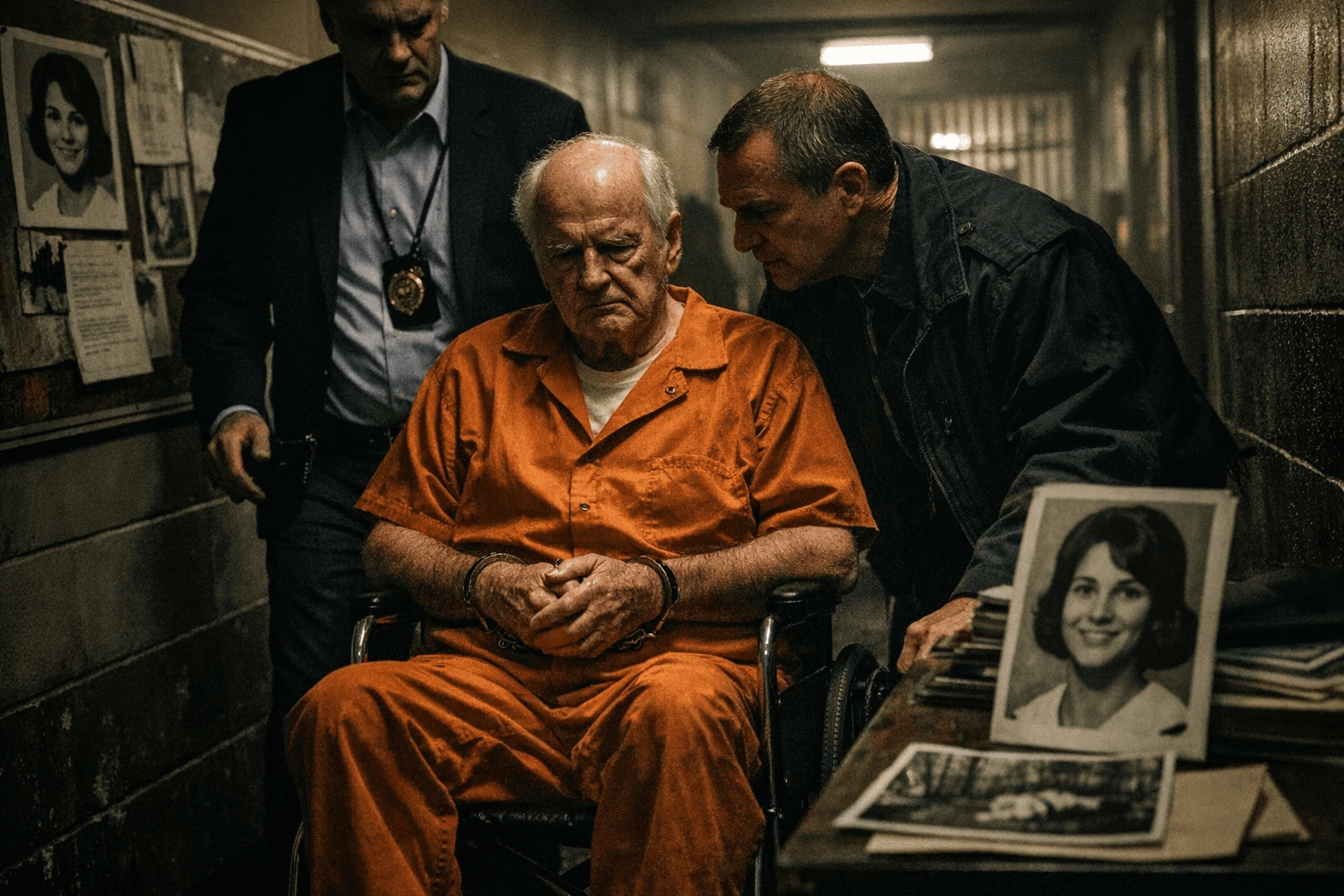
Fair Lawn, New Jersey police revealed that Richard Francis Cottingham, the convicted serial killer known as the Torso Killer and already serving multiple life sentences, confessed to the 1965 slaying of 18-year-old nursing student Alys Eberhardt. The announcement, made on January 6, 2026, follows a multi-year review of the cold case that detectives reopened in 2021.
Investigators said the confession was obtained after repeated interviews with Cottingham over several years. Authorities described the statement as a "full confession" and noted that Cottingham provided details of the crime that had not previously been publicly disclosed. Despite the new admission, prosecutors chose not to pursue additional charges and formally closed the file so the family could have a measure of closure.
Eberhardt was an 18-year-old nursing student when she was murdered in 1965. Her death remained unsolved for decades, a lingering wound for her relatives and the local community. The reopening of the case in 2021 reflected renewed investigative attention to cold files and an effort to revisit unresolved crimes linked to known offenders.
Cottingham has long been tied to a string of violent crimes and was serving multiple life terms when detectives resumed questioning. The decision by investigators to repeatedly interview him over years underscores a methodical approach to generating new information in long-cold matters, relying on persistence and direct engagement with incarcerated suspects.
The practical impact of this development is immediate for Eberhardt's family and for community members who follow cold case work. Closing the file after a confession avoids a protracted legal process while officially documenting responsibility for the crime. For other families of victims, the case highlights that investigators may reopen and actively pursue old leads even decades after a crime, offering a path to answers where none existed before.
Fair Lawn police urge anyone with information about unsolved cases to come forward and contact local authorities. For communities, the case reinforces the value of sustained investigative attention and the importance of preserving and reexamining evidence. The confession brings confirmation of what Eberhardt's relatives suspected for years and provides a degree of closure after more than half a century of unanswered questions.
This article was produced by Prism’s automated news system from verified source data, official records, and press releases, then run through automated quality and moderation checks before publishing. The system is built and supervised by the people who set the standards it runs under. Read our full AI policy.
Did this article answer your question?