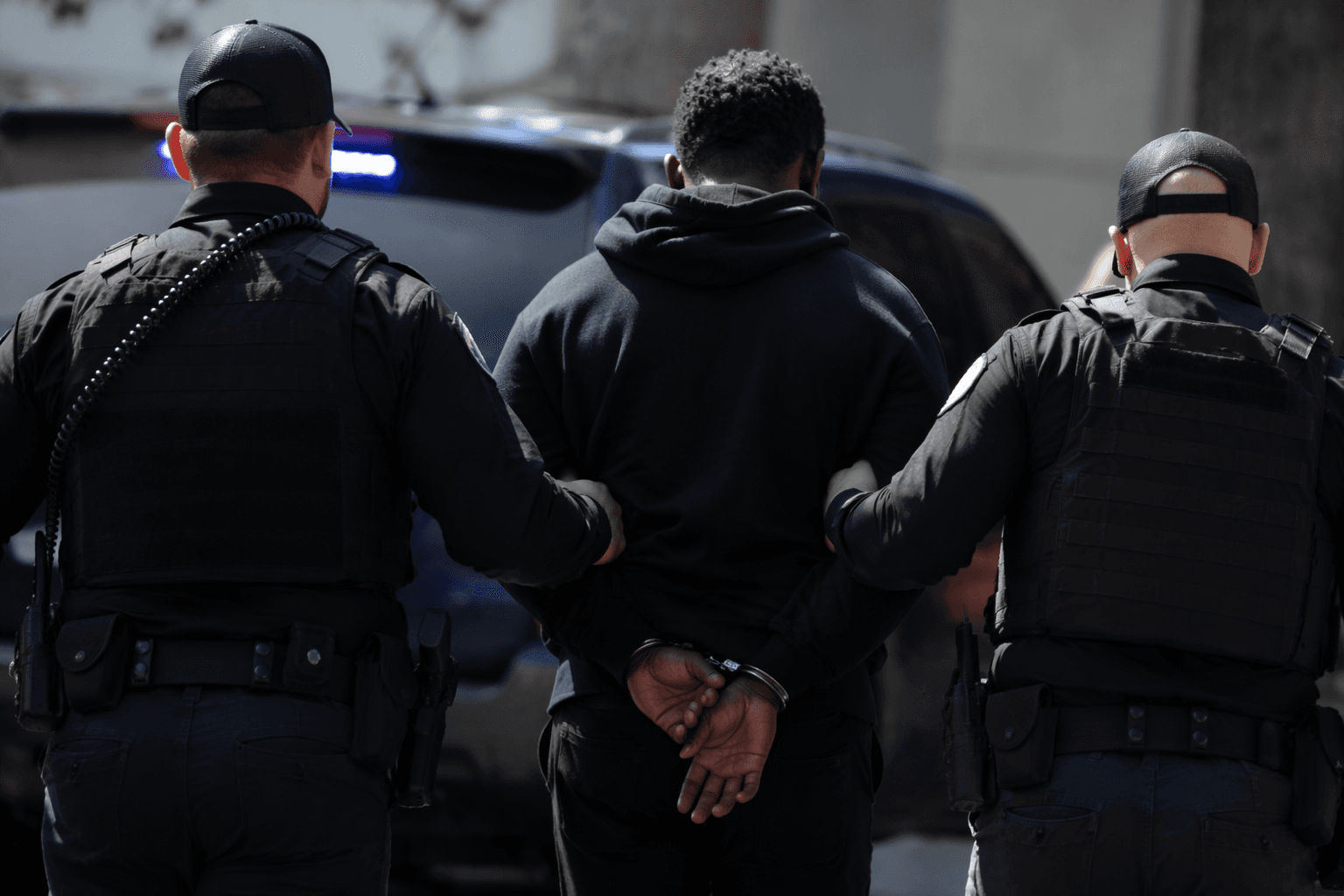
D.C. man charged with murder after pedestrian struck in crosswalk
Santana Matthews was arrested and charged after a 26-year-old pedestrian was killed in a D.C. crosswalk. The case underscores persistent pedestrian safety and accountability concerns.

Federal prosecutors announced Jan. 10 that Santana Matthews, 20, of Washington, D.C., was arrested and charged with second-degree murder while armed in the Jan. 7 death of 26-year-old Aaron Marckell Williams. The collision occurred on 16th Street NW near the White House and left Williams dead after being struck in a marked crosswalk while he had the right-of-way.
According to charging documents, Matthews was driving a Chevrolet Malibu at high speed when he drove into the intersection against a red light. His vehicle collided with a Toyota, and the Malibu then struck Williams in the crosswalk. Matthews attempted to flee on foot but was apprehended at the scene. He made an initial appearance Jan. 8 and was ordered held without bond pending a Jan. 27 preliminary hearing. The Metropolitan Police Department is investigating the case and Assistant U.S. Attorney Jamie Carter will handle prosecution. The charges remain allegations and Matthews is presumed innocent until proven guilty.
This case brings several practical questions into focus for people who live, work, or move through downtown D.C. Pedestrians in the city's core regularly contend with heavy traffic, high speeds on wide boulevards, and complex intersections where drivers, cyclists, and walkers must negotiate limited sight lines. A crosswalk fatality involving a vehicle running a red light sharpens the debate over enforcement, traffic calming, and the resources needed to protect people on foot.
For the True Crime community tracking case developments, the upcoming preliminary hearing on Jan. 27 will be the first public courtroom test of the prosecution's evidence. Expect prosecutors to outline the charging case and for defense counsel to begin challenging probable cause. Witness statements, traffic camera footage, vehicle damage assessments, toxicology and forensics will be key pieces of the case file as it moves forward. The MPD investigation will also produce reports that inform charging decisions and the prosecution’s theory.
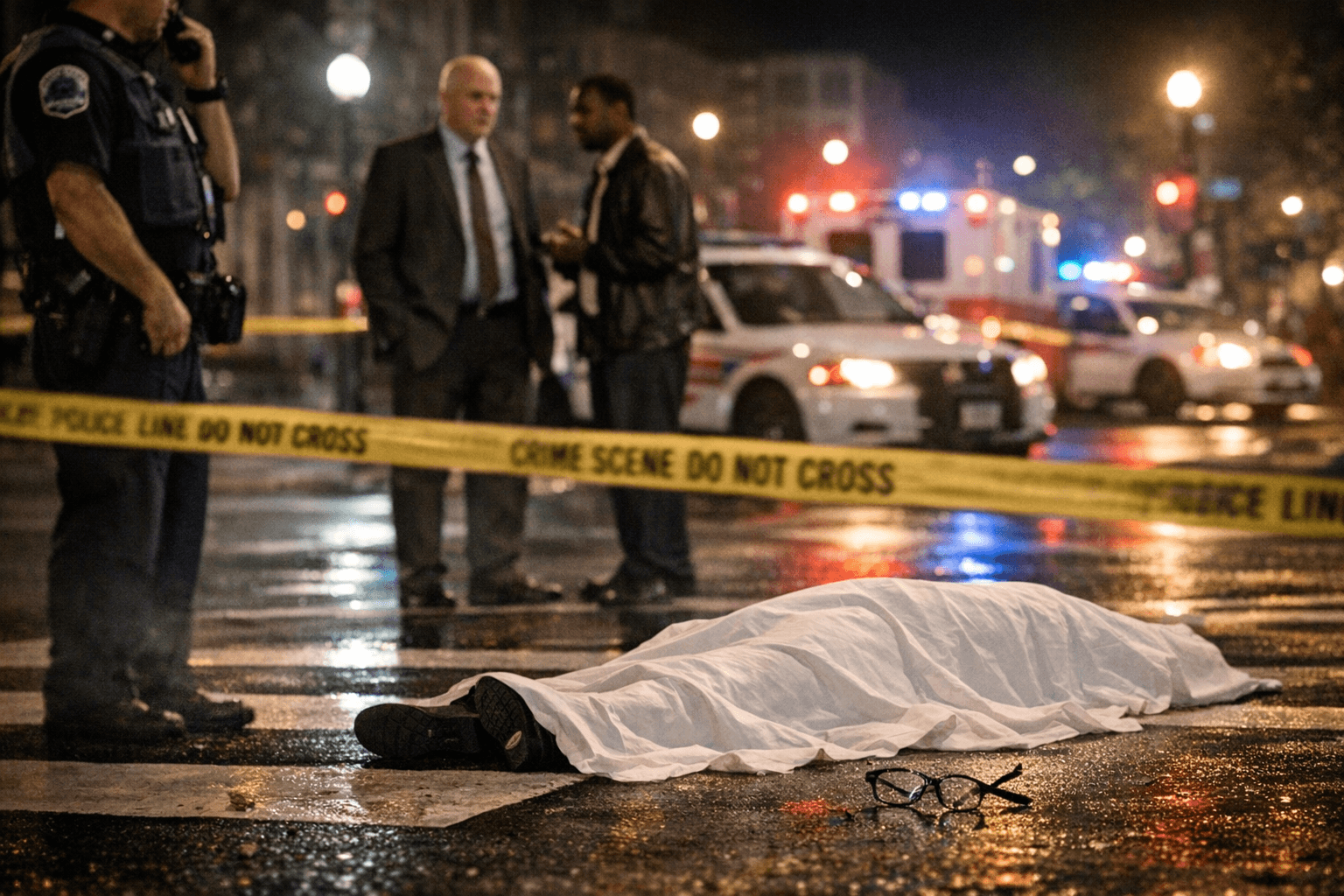
Beyond courtroom drama, this is a community safety story. Neighbors and advocates may want to renew efforts to document dangerous intersections, push for enforcement or engineering changes, and support outreach reminding drivers that crosswalks are protected spaces. If you witnessed the crash or have relevant footage, preservation of that material can be critical for investigators and for eventual court proceedings.
Our two cents? Keep an eye on the Jan. 27 hearing and preserve any evidence if you were there. This case is more than a headline; it's a reminder that crosswalk rights matter and that accountability starts with clear, documented timelines and community follow-through.
This article was produced by Prism’s automated news system from verified source data, official records, and press releases, then run through automated quality and moderation checks before publishing. The system is built and supervised by the people who set the standards it runs under. Read our full AI policy.
Did this article answer your question?