Death at Camp East Montana: What We Know and Why It Matters
A clear breakdown of the death of Geraldo Lunas Campos at Camp East Montana, the evidence and investigations underway, and what the community is demanding.
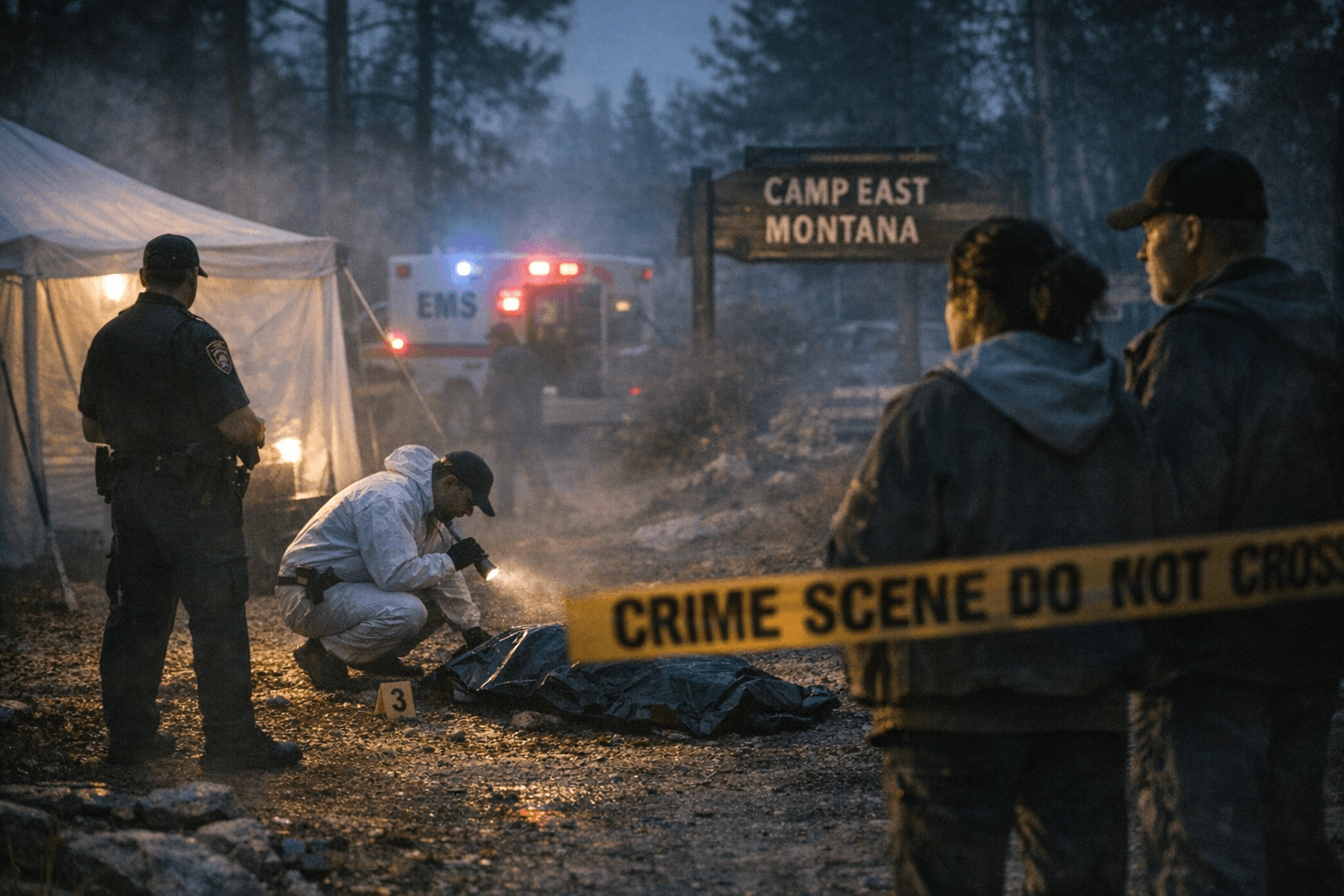
1. The death and timeline
The detainee, 55-year-old Cuban immigrant Geraldo Lunas Campos, died while held at Camp East Montana, an ICE detention site at Fort Bliss. Reports tie his death to events in early January; authorities logged the incident as occurring in segregation and the case has quickly drawn federal attention and community alarm. That timeline matters because rapid administrative moves, transfers, statements, or detentions of witnesses, can affect evidence and accountability.
2. What the medical examiner preliminarily found
Medical examiner staff were preparing a preliminary cause of death listing as asphyxia due to neck and chest compression, with the manner of death classified as homicide pending toxicology. That language means examiners believe another person’s actions contributed to his death, while toxicology and full autopsy results will refine the picture. For community advocates and legal teams, the preliminary finding shifts this from a medical incident to a potential criminal and civil case.
3. The recorded call and eyewitness account
A recorded call and multiple eyewitness accounts reported that guards pinned and choked Campos; one detainee said Campos cried, "I can't breathe." Those recorded words and firsthand testimony are central because they create contemporaneous evidence of what detainees and staff heard and saw. In detention cases, contemporaneous recordings and statements can be the clearest route to corroborating or challenging official timelines.
4. ICE’s initial statement and internal documents
ICE initially stated that Campos experienced medical distress while in segregation, a framing that aligns with administrative protocols for on-site medical response. Internal documents reviewed by reporters and eyewitness descriptions, however, diverge from that public line, portraying a use-of-force incident rather than spontaneous medical collapse. That divergence raises questions about record-keeping, transparency, and the chain of custody for incident reports, issues critical when preparing legal complaints or FOIA requests.
5. The FBI and other federal involvement
The FBI has opened an investigation into Campos’s death, signaling that federal criminal investigators see potential evidence warranting independent review. A separate administrative review by DHS and ICE oversight mechanisms is also likely, which means two tracks: criminal and administrative. For the community, dual investigations can increase the chance of accountability but also complicate timelines and public access to findings.
6. Facility history and patterns of concern
Camp East Montana has faced criticism for substandard conditions, previous deaths, and prior use-of-force incidents, placing this case in a broader pattern that watchdogs track. Patterns matter: repeated incidents create a basis for systemic claims about culture, policy, and training failures rather than isolated misconduct. Community groups use those patterns to press for policy change, independent monitoring, and civil litigation.
7. Advocacy groups’ warnings about retaliation and witness deportation
Advocacy organizations immediately raised alarms that witnesses or detainees could face retaliation or deportation, which would hinder accountability and skew testimony availability. When witnesses are moved or removed, it damages evidence integrity and chills others from speaking out; that’s why rapid legal intervention and monitoring of transfers are practical priorities. Community members and legal teams often demand notification and temporary stays on deportations until interviews and evidence collection are complete.
8. Family and civil-rights calls for accountability
Family members and civil-rights groups are pressing for full transparency, independent investigations, and legal remedies, framing this as both a personal tragedy and a civil-rights issue. Their involvement brings legal muscle, public pressure, and media attention that can shape investigative priorities and outcomes. Sustained advocacy also helps prevent cases from being closed as administrative anomalies.
9. What a homicide ruling legally means
A homicide manner of death indicates that the death resulted at least in part from another person’s actions; it does not by itself establish criminal intent or guilt. Legally and for investigators, it opens routes for criminal inquiry and potential charges, while still requiring proof of culpability beyond the medical determination. For community watchdogs, the distinction underscores why forensic records, video, and custody logs matter as much as the autopsy.
10. What to expect next and practical steps for the community
Toxicology results and the full autopsy will take time; federal and administrative investigations will follow evidence collection and witness interviews, possibly producing staggered findings and redactions. Practical steps to support accountability include: • Documenting and preserving any first-hand accounts or recordings • Connecting families with experienced civil-rights counsel • Monitoring transfers and advocating for witness protections • Pressing for independent oversight and public release of non-sensitive records These actions help maintain pressure and preserve the factual record when official reports arrive.
11. Why this case matters beyond one death
This incident exposes the intersection of detention policy, use-of-force practice, and immigrant rights; it tests oversight structures meant to prevent and investigate harm in custody. For communities near detention sites, legal advocates, and watchers of detention reform, Campos’s case is a flashpoint that could influence policy, litigation strategy, and monitoring priorities. Staying organized, documenting developments, and supporting affected families are ways to convert outrage into concrete change.
Closing practical wisdom Track the investigation rather than the rumors: preserve firsthand evidence, support legal counsel for family and witnesses, and push for independent oversight to keep the chain of custody intact. Where systems fail, sustained, coordinated community action is the most reliable lever for transparency and accountability.
This article was produced by Prism’s automated news system from verified source data, official records, and press releases, then run through automated quality and moderation checks before publishing. The system is built and supervised by the people who set the standards it runs under. Read our full AI policy.
Did this article answer your question?