DNA breakthrough solves 40-year-old Virginia Beach library worker murder
DNA from a 1986 crime scene finally tied 66-year-old Charles Berry to the rape and murder of Roberta Walls, ending a 40-year Virginia Beach cold case.

A preserved DNA trace from a 1986 Virginia Beach murder scene finally gave investigators the break they had chased for four decades, leading to the arrest of 66-year-old Charles Berry in Connecticut.
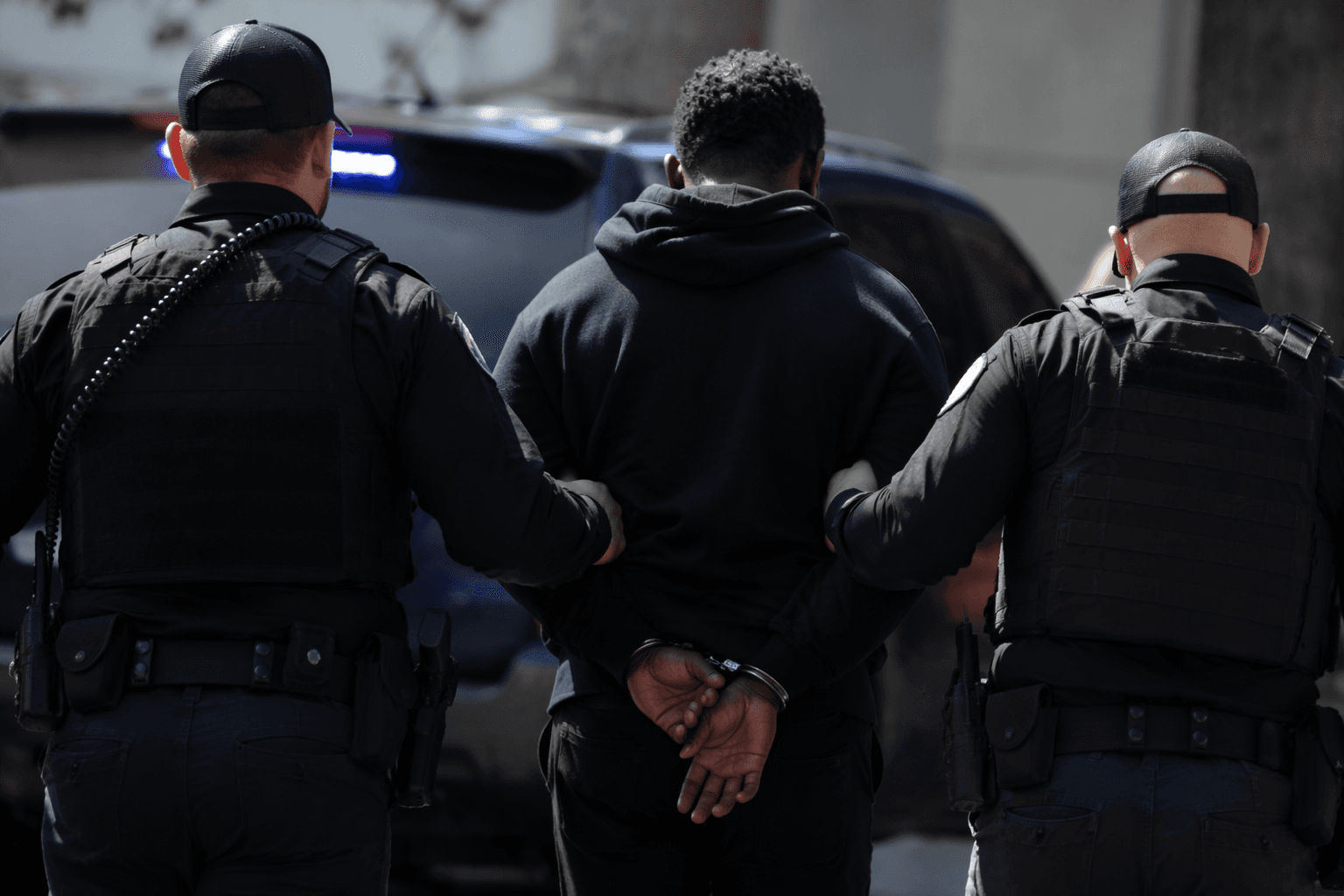
Berry, of Newington, Connecticut, was taken into custody on May 18, 2026, and is now charged with capital murder and rape in the killing of Roberta Walls, a 22-year-old Bayside Public Library worker. Police say he and Walls did not know each other, and investigators now believe the attack was random. He is being held on a $10 million bond while extradition to Virginia is pending.
Walls was last seen alive at the Bayside Public Library, where she worked, before her body was found on May 15, 1986, at 6:30 a.m. in a field in the 1000 block of Ferry Plantation Drive in Virginia Beach, behind what was then Old Donation Elementary School. Police said she had been stabbed multiple times and sexually assaulted, and the killing sat unsolved for 40 years despite repeated investigative efforts.
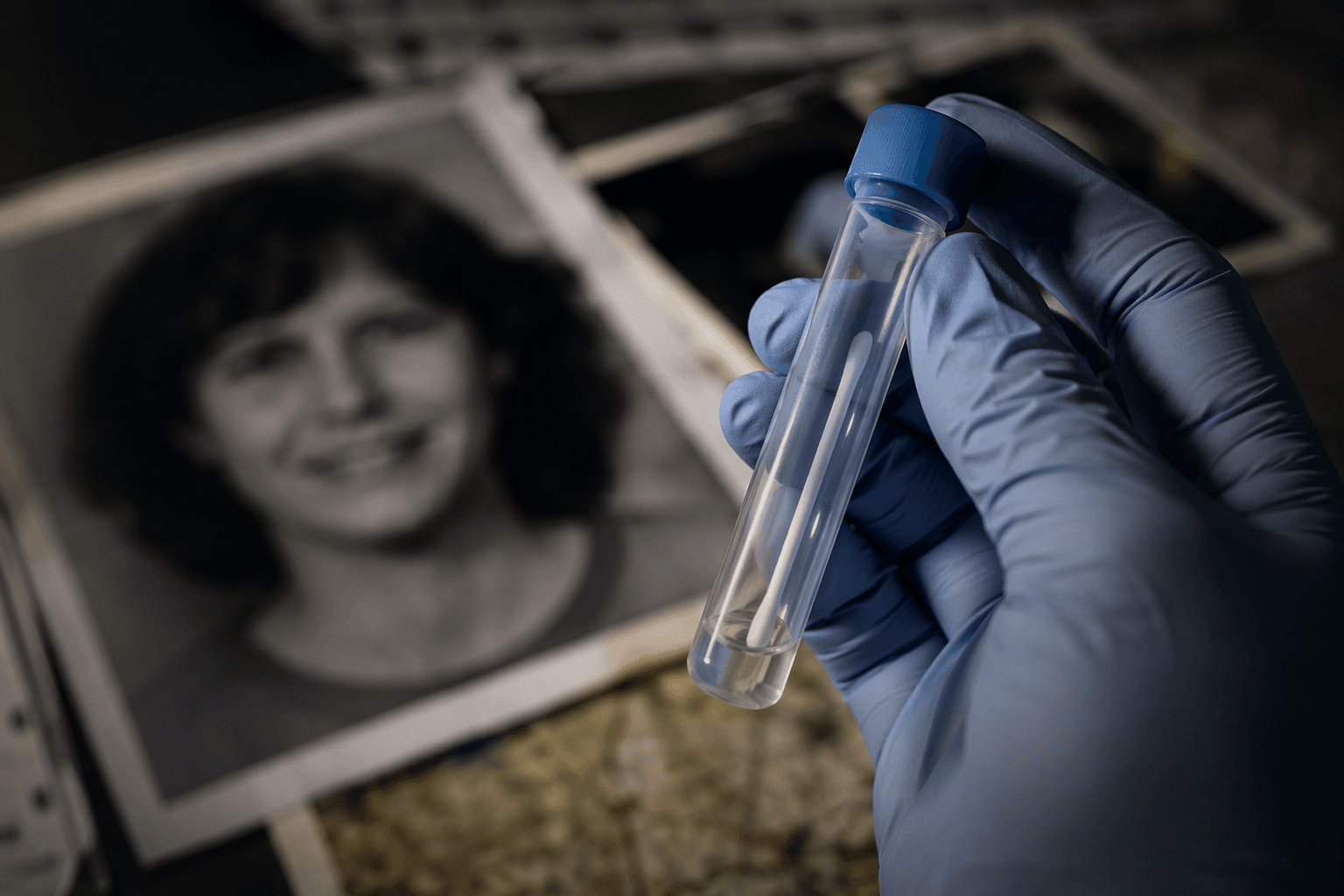
The breakthrough came from a long-running evidence review that stretched across decades of changing forensic tools. Virginia Beach police said detectives developed a DNA profile from evidence in 2001 and entered it into the National DNA databank. In 2017, investigators sent evidence from the original crime scene to a lab in Northern Virginia, which helped generate a composite image of the killer. The case gained new momentum through funding from the Sexual Assault Kit Initiative, and investigators ultimately reached a direct DNA comparison that identified Berry as the source of the profile.
Officials credited the original detectives with carefully preserving the evidence, a decision that kept the case viable long after the first investigation ran dry. That persistence mattered, because it meant modern testing could do what older methods could not, connect a name to the biological evidence left behind in 1986.
Virginia Beach Deputy Chief Jeffery Wilkerson said the case “never left the hearts and minds” of detectives. Chief Paul Neudigate said the arrest offers hope to other families still waiting on answers. For Roberta Walls, the answer came only after a library worker’s final walk home, a field off Ferry Plantation Drive, and a DNA match that finally turned a forgotten killing into an arrest.
This article was produced by Prism’s automated news system from verified source data, official records, and press releases, then run through automated quality and moderation checks before publishing. The system is built and supervised by the people who set the standards it runs under. Read our full AI policy.
Did this article answer your question?