DNA Identifies Deceased Man as Killer in 1974 Long Island Cold Case Murder
Eric Waldman was 5 when he found his mother's body. Fifty-two years later, DNA finally named the man who killed her.
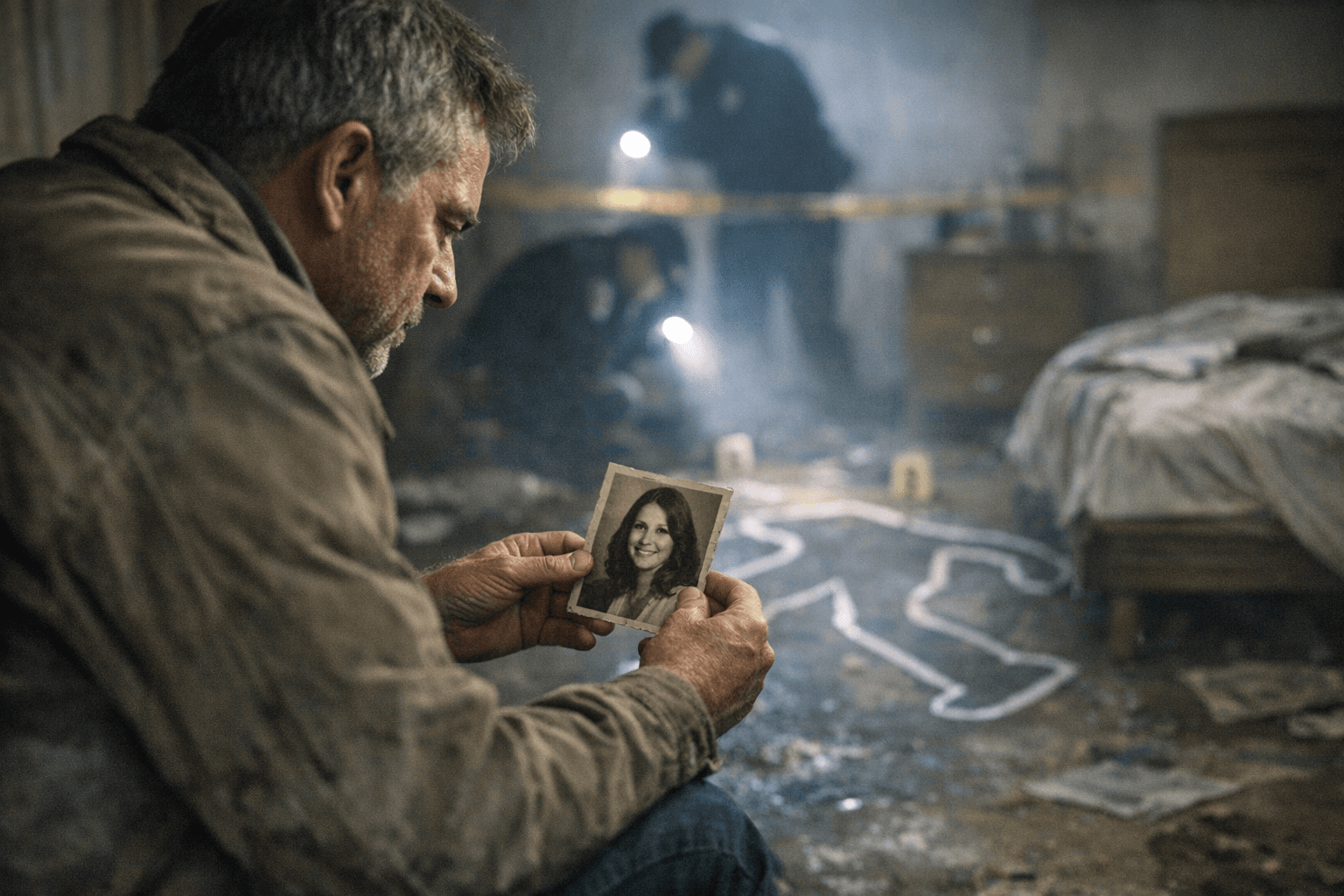
Barbara Waldman was 31 years old, an NYU graduate, and home on Sally Lane in Oceanside, Long Island when Thomas Generazio entered her house on January 11, 1974. Her then-5-year-old son Eric discovered her facedown and dead on the second floor after stepping off his kindergarten school bus that morning. Nassau County police and the FBI announced on March 11, 2026, that investigative genetic genealogy had finally identified Generazio as the man responsible for the brutal rape and murder. He cannot be charged: Generazio died of cancer in 2004 at age 57.
At a joint press conference, investigator Ryder described the crime in precise terms. "An individual that we now know to be Thomas Generazio, entered that residence and committed a violent sexual assault against the mother, and then put a bullet in the back of her head, as she laid on the floor tied up with the stockings that she was wearing," Ryder said. He added that investigators "would have liked to see him in jail for that entire time for the brutal murder that he did."
Generazio lived fewer than four miles from the Waldman home and had worked as a sanitation worker in Oceanside. Police said it was possible he had been the Waldman family's garbage man at some point, though that was never confirmed. He had two prior arrests for assault and stealing. Despite the existence of a composite sketch that investigators described as near-perfect, and a fingerprint recovered at the scene, neither piece of evidence was ever tied to Generazio at the time.
The case sat cold for decades. Nassau County investigators officially reopened it in 2024 after DNA from a relative of Generazio helped establish a link. Officials with the Nassau County Police Department's Homicide Squad, the Nassau County District Attorney's Office, and the Nassau County Office of the Medical Examiner submitted forensic evidence to Othram, a private DNA laboratory headquartered in The Woodlands, Texas. Othram scientists used Forensic-Grade Genome Sequencing to build a comprehensive DNA profile from the decades-old evidence and delivered that profile to the FBI's forensic genetic genealogy team, which generated the investigative leads that ultimately produced the identification. Police declined to confirm whether a commercial genealogy database was used in the process.
For the Waldman family, the announcement carried a second weight beyond identifying their mother's killer. Barbara's husband Gerald, a local dentist, had been subjected to community suspicion and what his daughter Marla described as a "powerful social mark of disgrace" for decades after the murder, despite never being charged. He died in 2006 without answers. "Happily today, 52 years later, I get to say to the world that our father is exonerated," Marla Waldman Conn told reporters. Her brother Larry framed it as "vindication for my father, Gerry Waldman, who went to his deathbed not knowing who or why." Marla added: "It's not about seeking legal punishment. It is an emotional, psychological resolution."
Eric Waldman, who has carried the memory of finding his mother since he was five years old, put it simply: "I've had the image of my mom in my head since I'm 5. So it won't go away until I die."
Marla's reaction to learning Generazio had lived so close all along captured what many in the true crime community recognize as one of the most unsettling patterns in cold case work: the killer embedded in ordinary life. "He was a local. He was literally living among us. I was shocked," she said. The motive remains unknown.
This article was produced by Prism’s automated news system from verified source data, official records, and press releases, then run through automated quality and moderation checks before publishing. The system is built and supervised by the people who set the standards it runs under. Read our full AI policy.
Did this article answer your question?