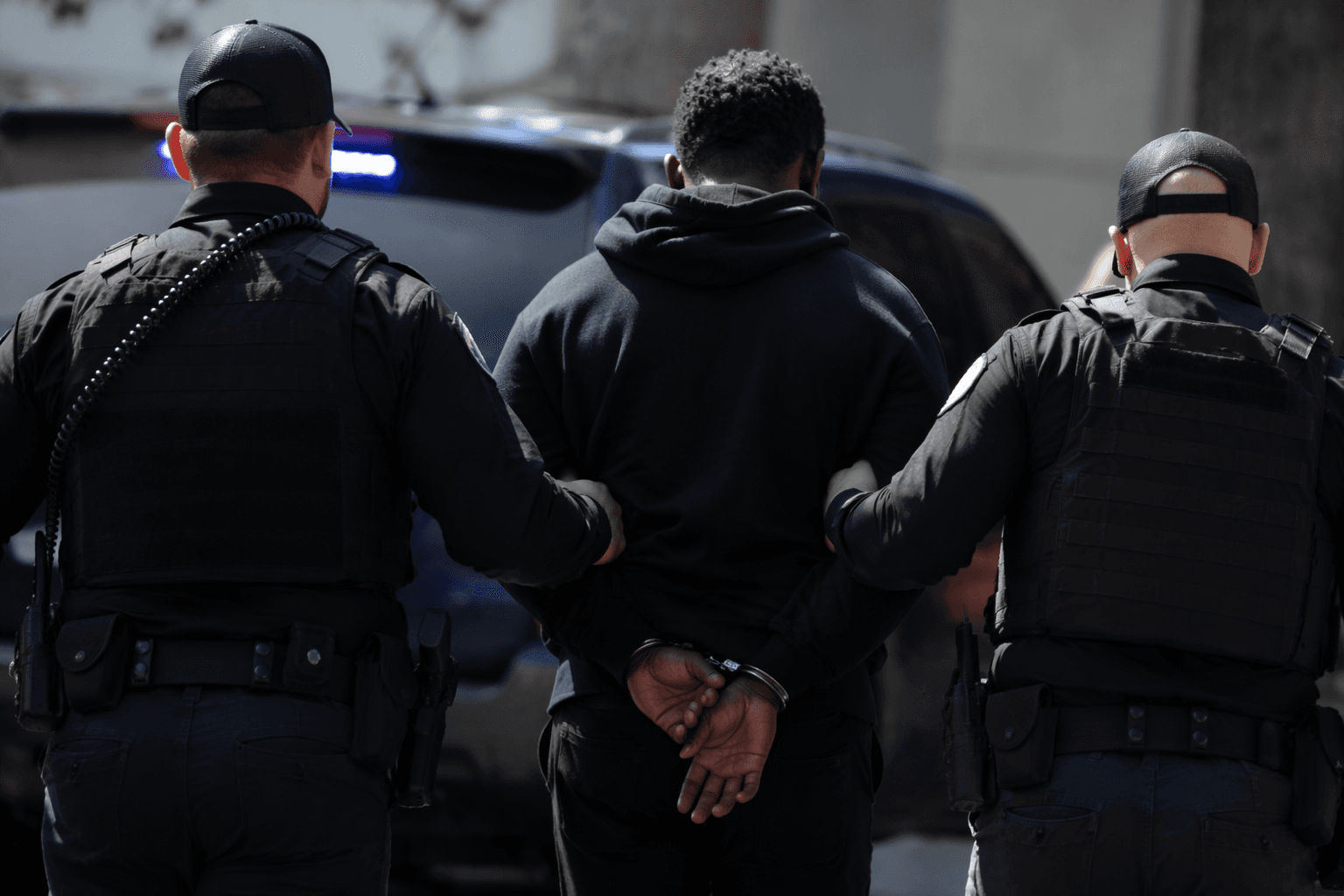
FBI ViCAP links missing persons, homicides and sexual assaults nationwide
A missing-person report can turn into a break in a homicide years later when the right case lands in ViCAP or NamUs. Together, they are the databases that keep cold cases talking to each other.

When one file finally meets another
The moment a long-quiet case cracks open is rarely cinematic in the way true-crime fans imagine. More often, it happens because a missing-person report, a homicide file, and a set of unidentified remains all start describing the same person, the same vehicle, the same timeline, or the same kind of offender behavior. That is the real power behind ViCAP and NamUs: they make distant cases visible to one another.
For readers who follow true crime closely, that matters because so many breakthroughs are not born from a single dramatic clue. They come from comparison, from the patient work of matching details that looked ordinary when they sat alone in a local file cabinet. A preserved DNA sample, a newly entered missing-person record, or a report that finally gets entered into a national system can be the difference between a dead end and a name.
What ViCAP actually does
ViCAP, the Violent Criminal Apprehension Program, was established by the U.S. Department of Justice in 1985 and is managed by the FBI’s Behavioral Analysis Unit. The FBI describes it as the nation’s only centralized repository of violent-crime cases designed to analyze offender behavior, and it covers homicides, sexual assaults, missing persons, and cases involving unidentified human remains.
That broad scope is what makes it so useful to investigators. A case that looks isolated in one county may line up with another one hundreds of miles away if the method, victim profile, travel pattern, or scene details match. ViCAP’s analysts review submissions for quality, look for similarities, and search other databases to generate new investigative leads, which is exactly the kind of cross-case patterning that can surface a serial offender or link a disappearance to a homicide.
What the public can actually see
ViCAP is built for law enforcement, not for casual public browsing, but it still has a public-facing side that true-crime readers can use to understand what investigators are tracking. On the FBI’s current ViCAP pages, 261 items are publicly listed across missing persons, unidentified persons, homicides, and sexual assaults. That public list is not the whole machine, but it is a window into the kinds of cases being compared nationwide.
There is also a deeper historical layer here. An archived FBI post said ViCAP’s secure web system has been available since 2008, which shows how long agencies have been able to work inside a shared digital framework instead of relying only on phone calls and paper files. For hobby researchers, the lesson is simple: the public page may look small, but the system behind it is designed to hold a much larger web of connections.
Why NamUs is the civilian-side counterpart
If ViCAP is the investigative engine on the law-enforcement side, NamUs is the place where families, journalists, and investigators can start from the same map. The National Missing and Unidentified Persons System is funded and administered by the National Institute of Justice and managed through a contract with RTI. The Department of Justice describes it as the only national database for missing, unidentified, and unclaimed persons that allows limited public access.
That limited access is what gives NamUs its everyday value. It lets family members search, enter case information, and work from a common database instead of scattering details across county lines, funeral homes, and local agencies. NamUs also has cold-case staff who offer investigative support, forensic services, and training, which makes it more than a passive listing site. It is a working support system for cases that have already slipped beyond the easy headlines.
The numbers behind the backlog
The scale of the work is hard to ignore. NamUs’ latest monthly reports list 26,411 open missing-person cases, 15,501 open unidentified-person cases, and 22,898 open unclaimed-person cases. Its Fiscal Year 2024 infographic says the database held 58,252 total cases and 64,419 archived cases, with 20,726 new cases created that year and 3,866 forensic services provided.
Those numbers explain why these systems matter so much to the true-crime community. They show a national picture made up of thousands of individual losses, each one a family waiting for a name, a match, or a confirmation. They also show how often casework continues behind the scenes long after a local investigation has gone quiet.
Why cases break open years later
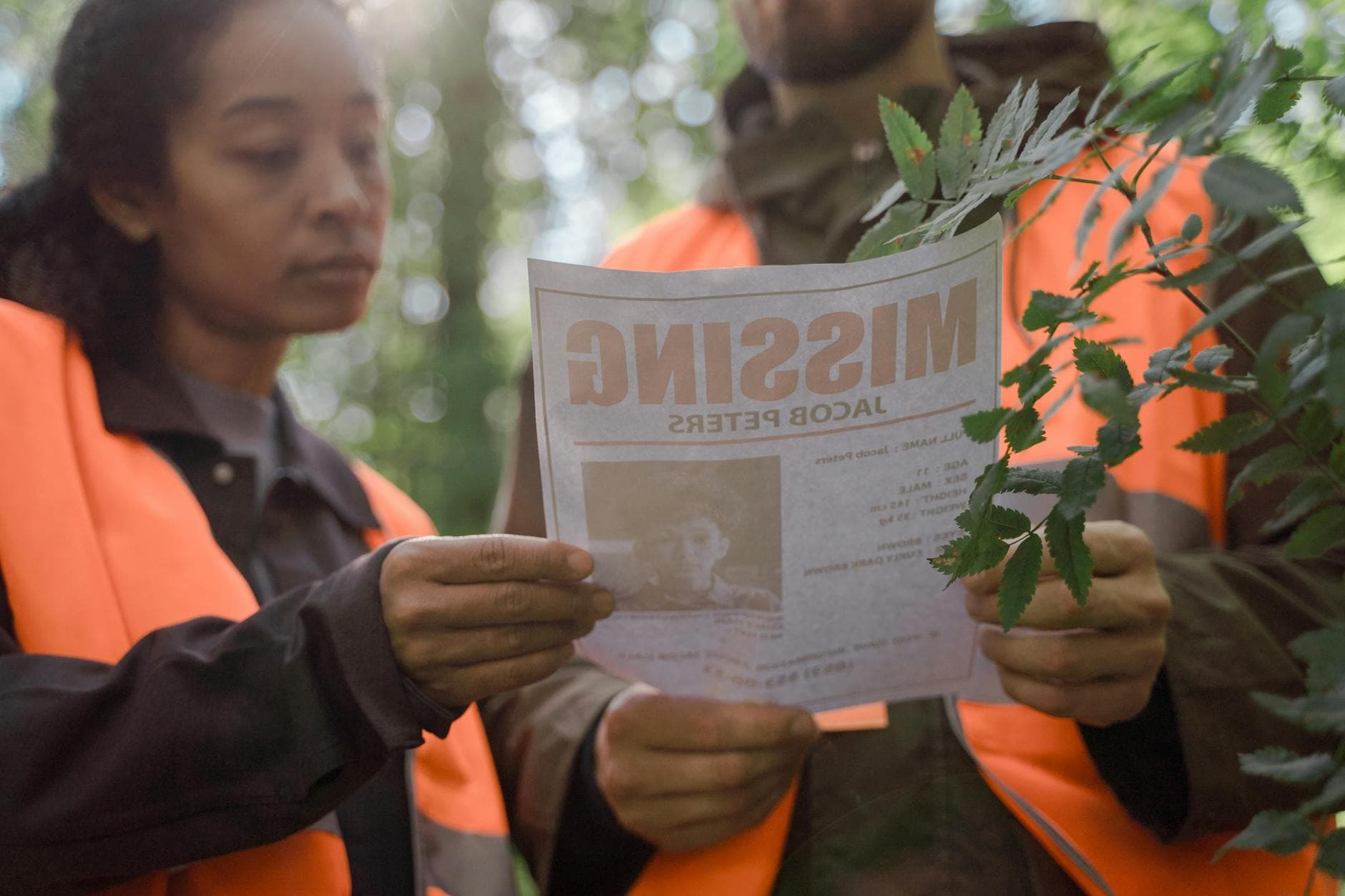
Some cases stall because the key evidence exists, but the right comparison has never been made. Others stall because the record was never entered into a national system, or because the missing-person report and the unidentified-remains file lived in separate jurisdictions that never talked to each other. ViCAP and NamUs are built to reduce that kind of isolation, and that is why they can produce breakthroughs years after the first response.
The FBI’s National Crime Information Center adds another layer. The Missing Person File was implemented in 1975, and records are retained indefinitely until the person is located or the record is canceled. The FBI’s 2024 missing and unidentified statistics are published pursuant to the Crime Control Act of 1990, which helps explain why these records remain part of an active national framework instead of fading into local archives.
Why this matters in Missing or Murdered Indigenous Persons cases
NamUs has also become part of the broader federal response to Missing or Murdered Indigenous Persons. DOJ guidance identifies it as one piece of the effort to improve interjurisdictional cooperation, data collection, access, and reporting in those cases. That matters because these investigations often depend on moving information across tribal, state, and federal boundaries that historically have not aligned well.
The practical benefit is striking: all NamUs resources are provided at no cost to law enforcement, medical examiners, coroners, allied forensic professionals, and family members. In a world where budget gaps can slow a case down, a free national tool changes the field. It gives a family, a deputy, a medical examiner, and a reporter a place to look at the same facts and ask the same hard question: does this case belong with another one?
How true-crime readers can use these tools
The best way to understand ViCAP and NamUs is to think like a case matcher. Look for overlaps in geography, victimology, date ranges, vehicle descriptions, items of clothing, recovery locations, and patterns of offender behavior. The same clue that feels minor in one file can become meaningful when it sits beside ten others.
A few habits make the search more useful:
- Compare missing-person timelines against unidentified-remains cases, especially if the last known location and recovery area are in neighboring states.
- Watch for repeated behavioral details, because ViCAP is built to analyze offender behavior across violent crimes.
- Treat archived cases as active research, not dead paperwork, because a new DNA comparison or updated entry can resurrect a lead.
- Use NamUs for the civilian-facing picture and ViCAP for the law-enforcement framework, then think about how the two systems might point to the same person.
That is why these databases belong in the true-crime toolkit. They are not just repositories. They are the places where scattered facts start behaving like evidence, and where a case that sat silent for years can suddenly find its voice again.
This article was produced by Prism’s automated news system from verified source data, official records, and press releases, then run through automated quality and moderation checks before publishing. The system is built and supervised by the people who set the standards it runs under. Read our full AI policy.
Did this article answer your question?