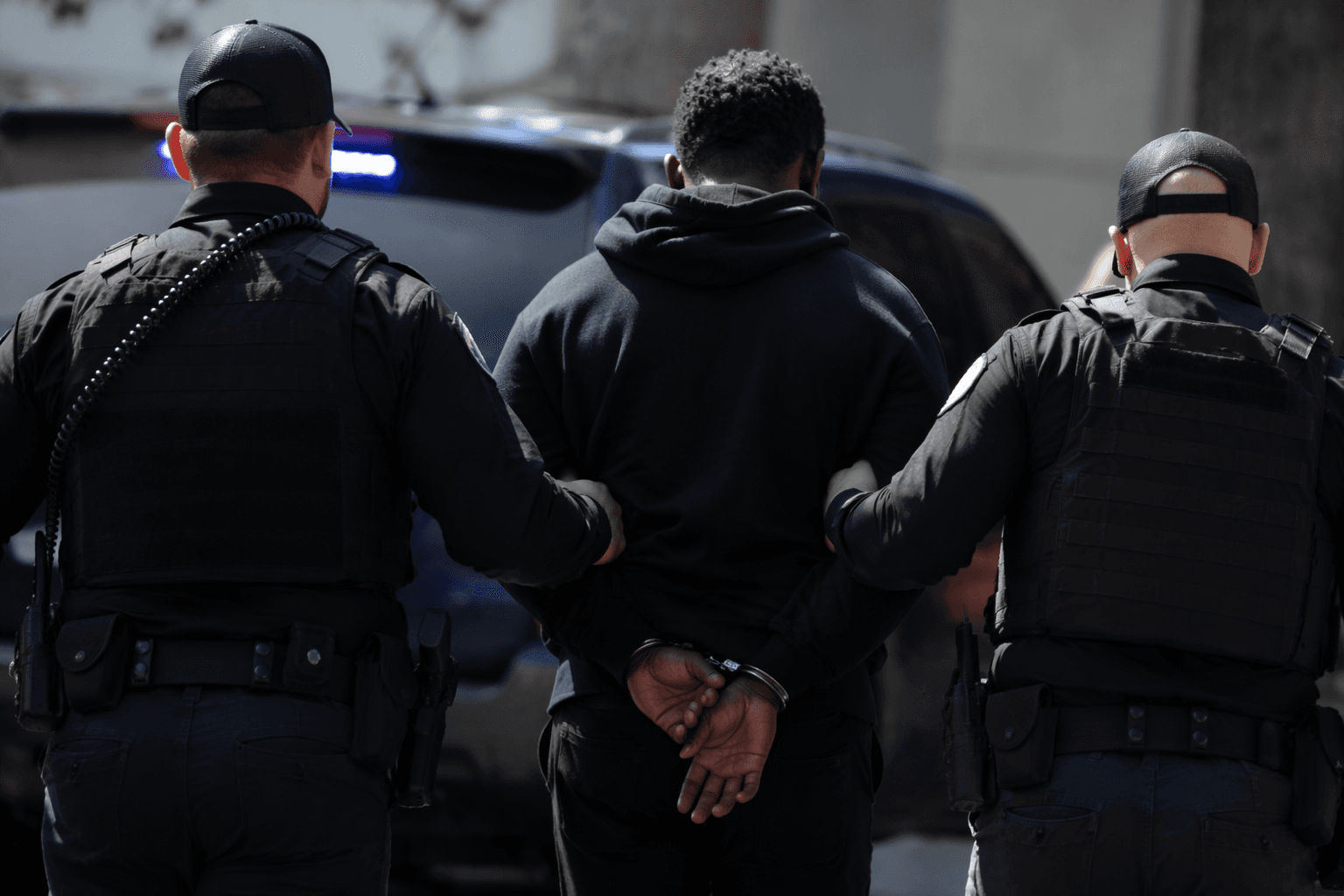
Federal Agents' Shooting of Minneapolis Nurse During Immigration Raid Spurs Probes
Federal agents shot and killed 37-year-old ICU nurse Alex Jeffrey Pretti during an immigration enforcement raid; the shooting, body-worn camera footage, and conflicting accounts have sparked multiple probes.
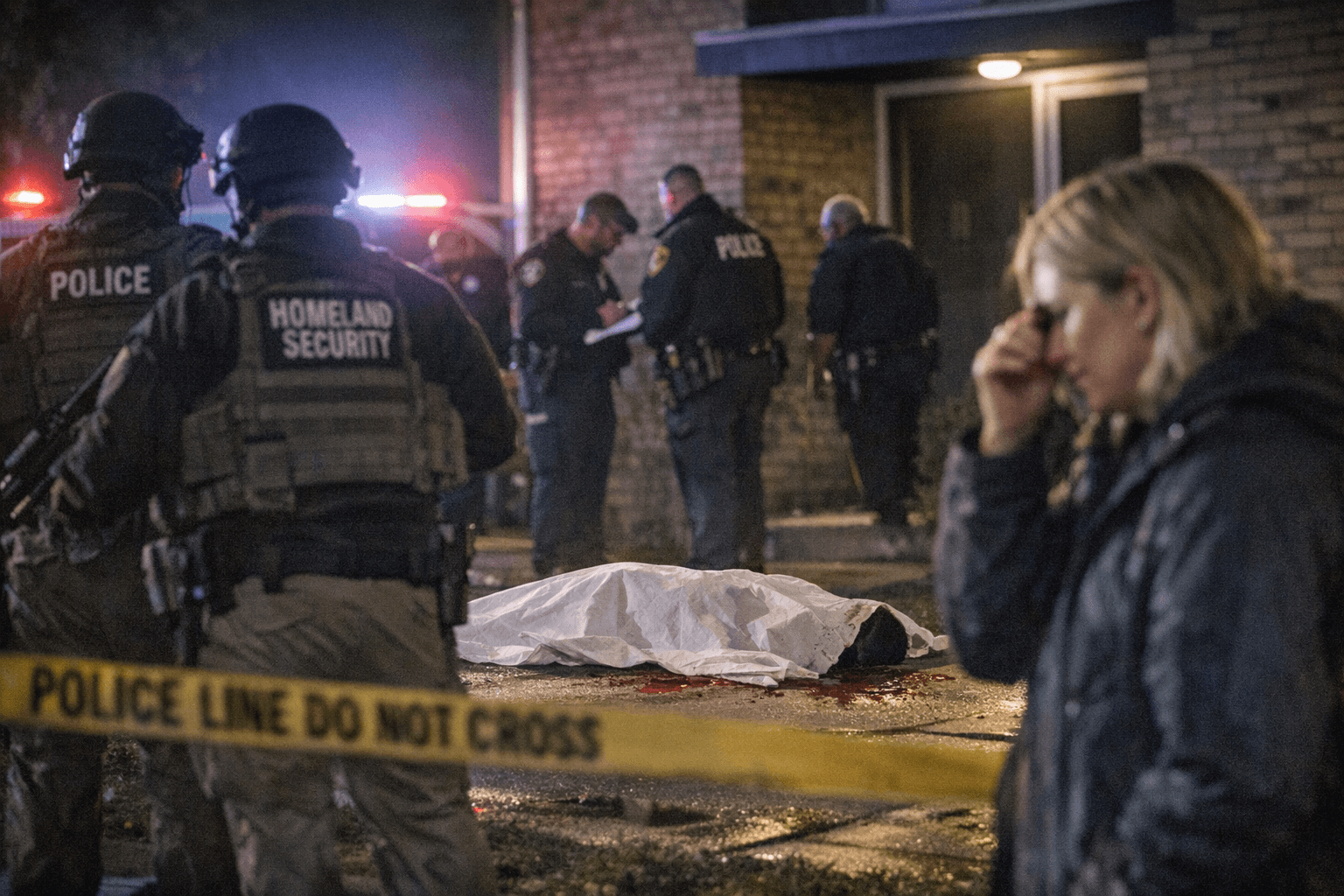
Two federal officers fired their weapons during an immigration enforcement operation that left 37-year-old intensive care nurse Alex Jeffrey Pretti dead, a Department of Homeland Security notice to Congress confirmed. Pretti, a licensed gun owner, was shot after officers moved to take him into custody and reported he resisted; during a struggle a Border Patrol agent repeatedly yelled, "he's got a gun."
The notice identified the shooters as a Border Patrol officer and a Customs and Border Protection officer. CBP’s Office of Professional Responsibility reviewed body-worn camera footage and agency documentation as part of its process. Multiple videos captured at the scene, however, appear to conflict with portions of official accounts, prompting local officials and a federal judge to demand preservation and access to evidence as investigators sort through what happened.
The incident occurred amid a larger federal immigration enforcement operation in Minneapolis that has already prompted protests and legal action. Ecuador’s foreign ministry lodged a protest after agents attempted to enter the Ecuadorian consulate during the enforcement actions, adding a diplomatic element to the local crisis. The overlap of immigration enforcement, a consular-access complaint, and a lethal use of force has quickly escalated the story from a police shooting to a complex, multi-jurisdictional inquiry.
Local, state, and federal offices have opened investigations. Expect use-of-force reviews, internal CBP inquiries, potential criminal investigations by county or state prosecutors, and oversight scrutiny by DHS watchdogs and Congress. Preservation of evidence - especially body-worn camera files and civilian video - is likely to be central to any legal or administrative path forward. Chain-of-custody questions and timing of video releases will shape public trust and prosecutorial options.
For Minneapolis residents and those following the case, practical steps matter. If you captured footage or witnessed the encounter, note times and locations and preserve original files and devices; copies are useful but original media is critical for investigators. Watch for public records filings and court actions that may release footage or detail investigative findings. Community groups and legal advocates already pushing for transparency may lodge complaints or file civil suits; these efforts often prompt judicial orders that force evidence disclosure.
This shooting has immediate implications: it raises fresh questions about the scope and oversight of federal immigration enforcement in urban areas, the intersection of diplomatic protections and enforcement tactics, and how federal agencies document and explain use of force. The next developments to watch are any release of body-worn camera footage, findings from CBP’s OPR and parallel probes, and whether state prosecutors pursue charges. Those outcomes will determine whether this incident becomes a catalyst for policy change or another contested chapter in Minneapolis' fraught history with policing and federal enforcement.
This article was produced by Prism’s automated news system from verified source data, official records, and press releases, then run through automated quality and moderation checks before publishing. The system is built and supervised by the people who set the standards it runs under. Read our full AI policy.
Did this article answer your question?