Florida schedules execution of Ronald Palmer Heath for Feb. 10, 2026
Florida set an execution date for Ronald Palmer Heath on Feb. 10, 2026, for a 1990 murder; the case remains tied up in postconviction appeals that could delay action.
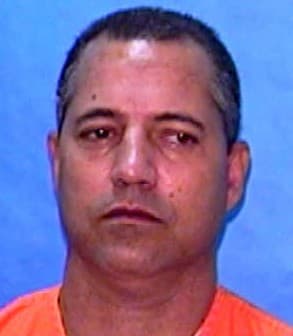
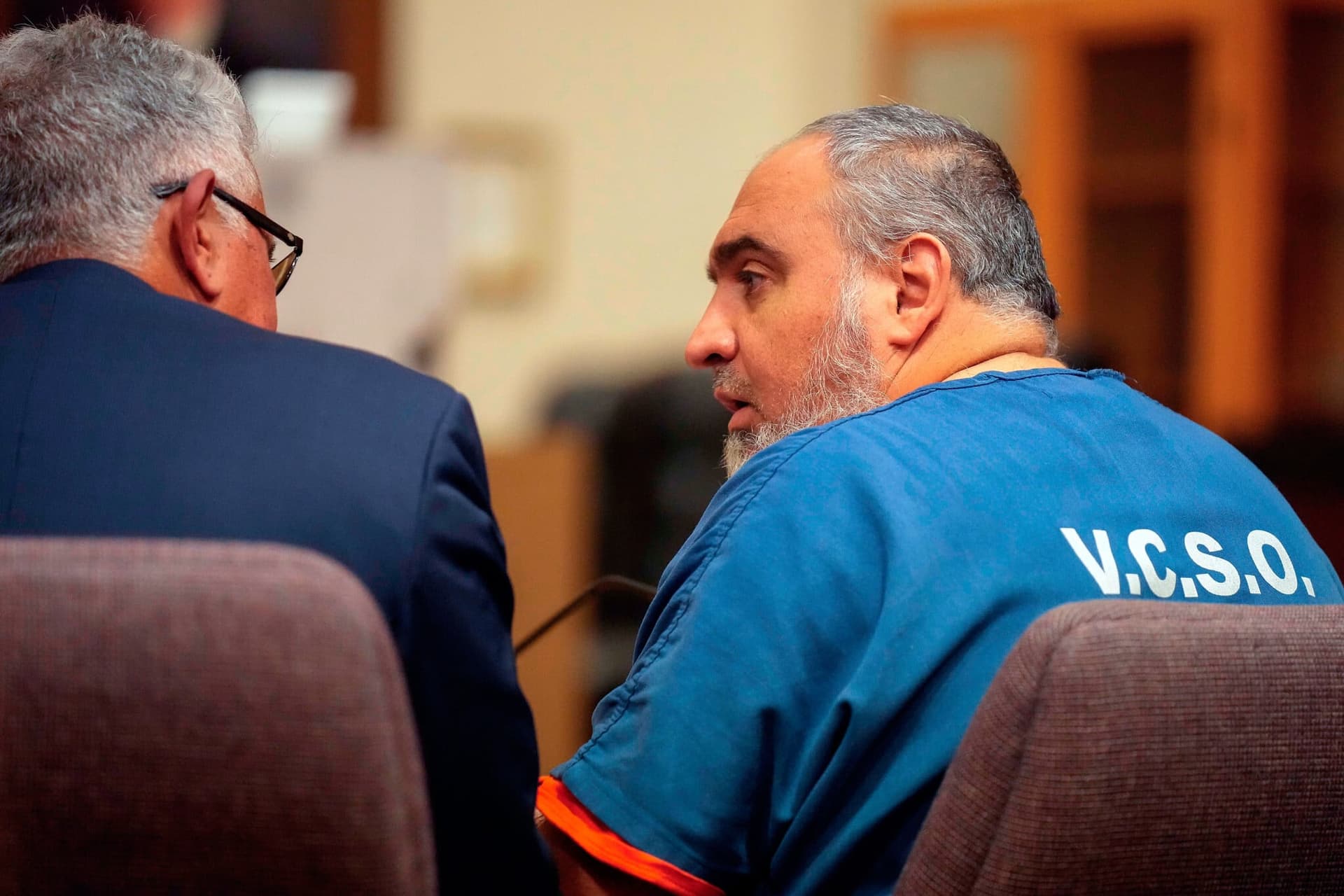
A governor-signed death warrant issued on Jan. 10 set the execution of Ronald Palmer Heath, 64, for Feb. 10, 2026, in connection with the 1990 slaying of traveling salesman Michael Sheridan during an apparent robbery. Heath was convicted of first-degree murder and related crimes; his brother, Kenneth, carried out the fatal shooting while Ronald allegedly stabbed and assaulted the victim. Kenneth accepted a plea deal and received a life sentence.
Heath’s case is not finished. He remains engaged in postconviction appeals that have reached the state and could proceed to the U.S. Supreme Court. Those procedural steps mean that the Feb. 10 warrant is a firm scheduling action by the governor, but not an irreversible end point while legal challenges and potential stays remain available.
The timing of the warrant lands after a year when Florida carried out an unusually high number of executions. If the warrant is carried out, Heath would become the state’s first execution of 2026 under that schedule. That context has heightened attention from defense lawyers, victims’ families, and death-penalty advocates, all of whom commonly watch the interplay of executive scheduling and court-level appeals closely.

For the True Crime community and local observers, the practical implications are clear. Expect filings in state postconviction courts and possible emergency applications to federal courts as defense teams press procedural and constitutional claims. A governor-signed warrant does not preclude a last-minute stay, clemency petition, or new evidentiary motion; those are the usual levers that can alter a scheduled execution. Families of victims and others following the case will likely stage public responses, from advocacy to calls for finality.
The case is also a reminder that capital cases often span decades, this crime dates to 1990, and that criminal justice outcomes can diverge among co-defendants. Kenneth Heath’s plea and life sentence contrast with Ronald Heath’s capital conviction and the limited, high-stakes path left for appeals.
The takeaway? Track the court dockets and watch for emergency filings and clemency activity. If you follow these cases, anticipate procedural filings up to and possibly beyond Feb. 10, and be prepared for rapid developments that can change the course of a scheduled execution at the last minute. Our two cents? Keep an eye on court calendars and the state’s clemency process, this one could move fast.
Know something we missed? Have a correction or additional information?
Submit a Tip