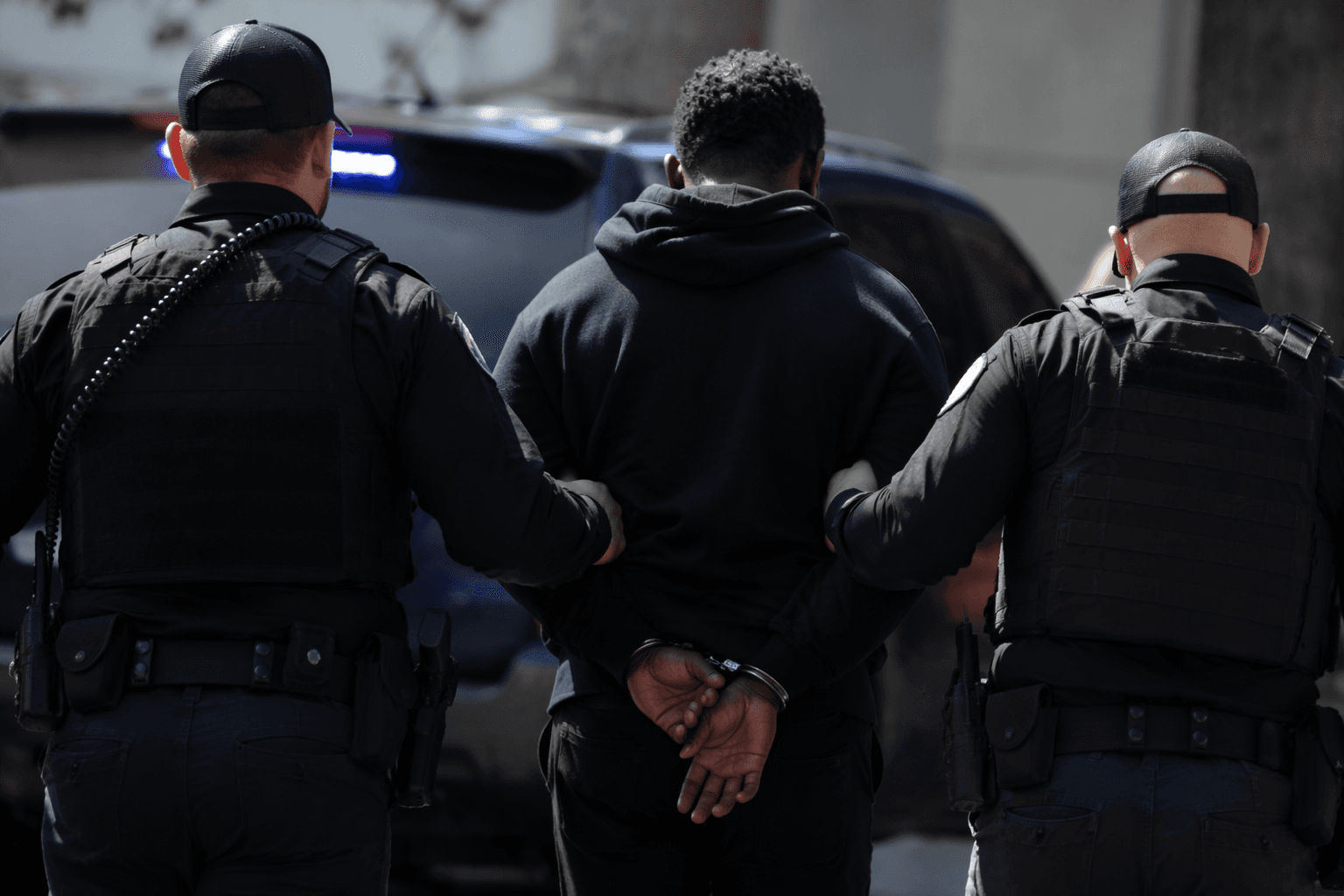
Forensic Genealogy Finds Nearly 600 Hidden Homicides in Unidentified Remains
Othram's research found that nearly 600 unidentified remains nationwide may hide homicides because when John and Jane Does are identified, about 6% are reclassified as homicides - that can reopen cold cases and give families answers.
Forensic genealogy lab Othram released research Jan. 16, 2026, estimating that as many as 600 "hidden homicide" cases may exist among the nation's unidentified remains. The finding rests on a striking pattern: when unidentified bodies are finally named through investigative genetic genealogy (IGG), about 6 percent of those cases change manner of death from accidental or undetermined to homicide. That shift has immediate consequences for investigations, victim families, and how jurisdictions count violent crime.
Unidentified remains are routinely classified as accidental, undetermined, or pending when no identity is established. Investigative genetic genealogy uses DNA to name John and Jane Does and connect them to family trees. Once a medical examiner or coroner can attach a name, case files, witness interviews, and criminal histories become accessible in new ways - and in a measurable share of cases the cause or manner of death gets revisited and reclassified as homicide.
The research spotlights a systemic gap in how death investigation and funding are structured. Federal policy limits available funding for IGG, which constrains law enforcement and medicolegal offices that otherwise could pursue identifications more aggressively. Without broader access to genetic genealogy, some jurisdictions may never learn if a long-unidentified person was the victim of a crime, leaving cold cases dormant and families without closure.
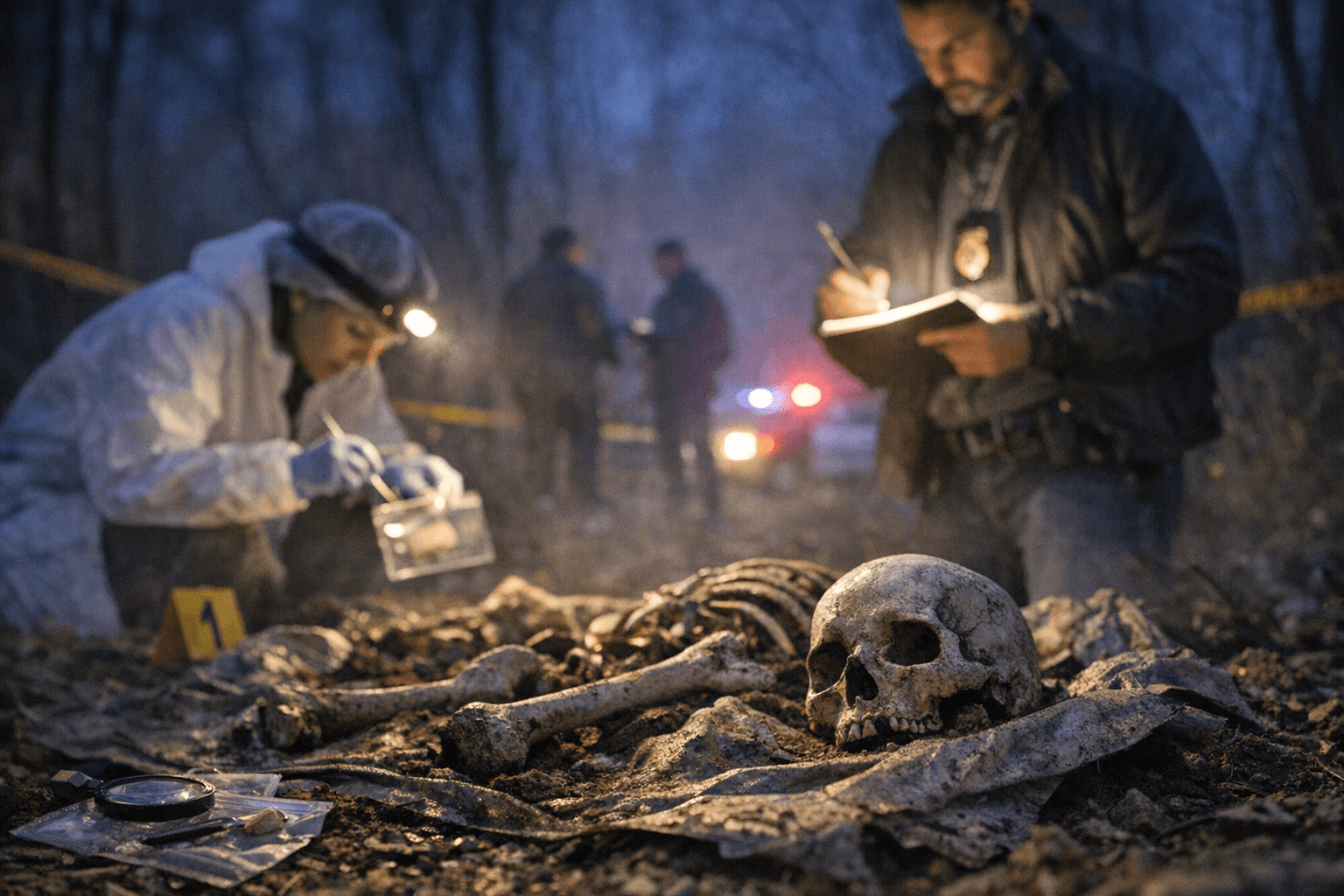
Practically, the implications are concrete. Local cold case units that gain access to IGG can convert nameless files into active investigations, creating leads that forensic pathologists, homicide detectives, and prosecutors can follow. Identification also unlocks victim services and survivor benefits for families who have been unable to grieve formally for an unnamed person. From a public-safety view, reclassifying even a few hundred cases as homicide could reveal previously unrecognized patterns - repeat offenders, geographic clustering, or links between cases - that demand renewed investigative resources.
This matters to readers because it connects a technical lab capability to everyday outcomes: whether a family gets a name, whether a perpetrator is pursued, and how community safety is measured. Advocates for victims and public officials are pressing for expanded IGG access, more funding for medical examiners, and consistent protocols for reexamining manner of death after identification.
Expect the conversation to widen. As more jurisdictions adopt genetic genealogy and review long-unidentified remains, official counts of homicides may rise and more cold cases will reopen. For families and communities, that means the possibility of answers where there were only questions.
This article was produced by Prism’s automated news system from verified source data, official records, and press releases, then run through automated quality and moderation checks before publishing. The system is built and supervised by the people who set the standards it runs under. Read our full AI policy.
Did this article answer your question?