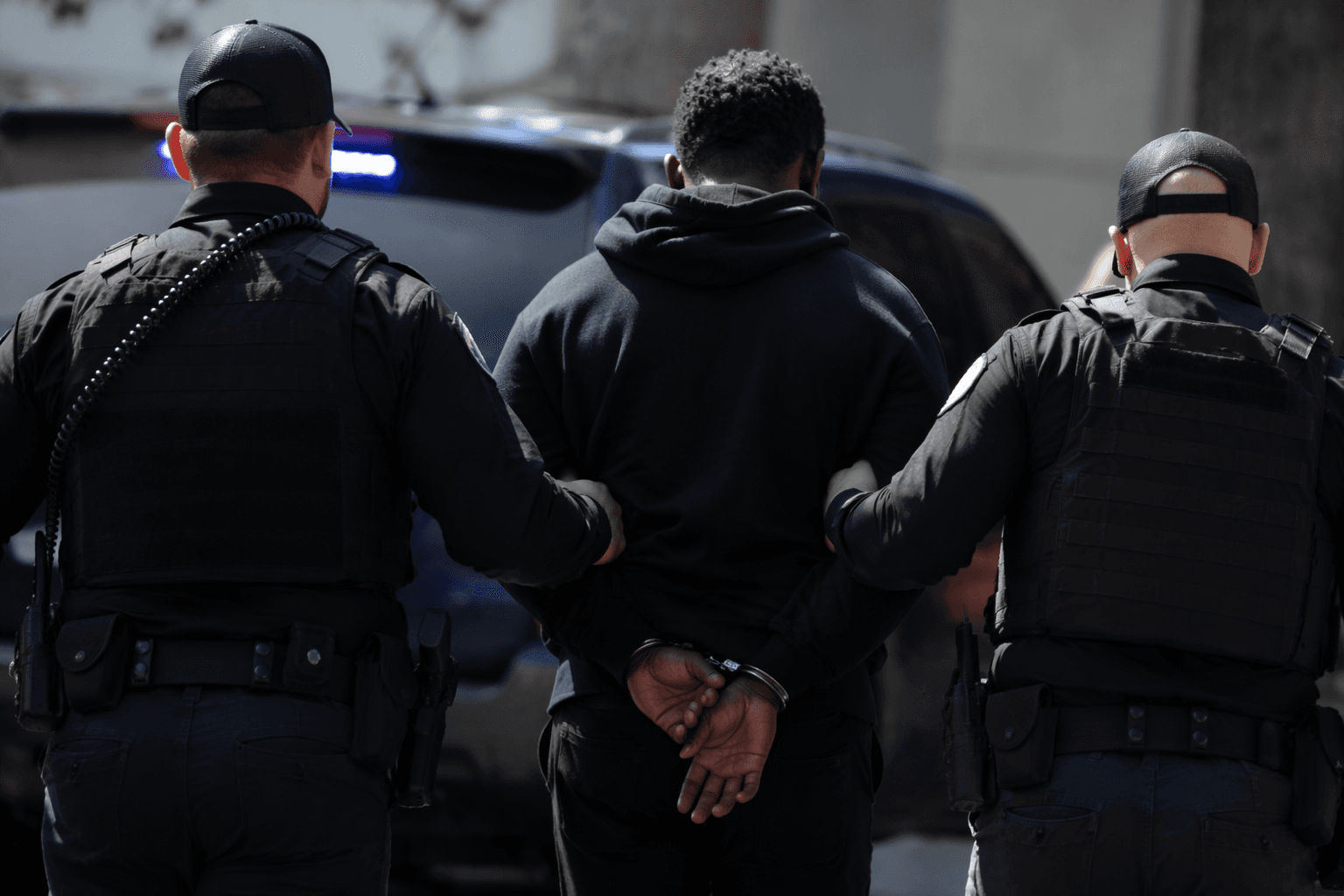
Former Canadian Olympian on FBI Ten Most Wanted Surrenders, Faces Drug-Murder Charges
Former Canadian Olympian Ryan Wedding surrendered to U.S. authorities after being on the FBI Ten Most Wanted list; he faces U.S. and Canadian drug-murder charges.
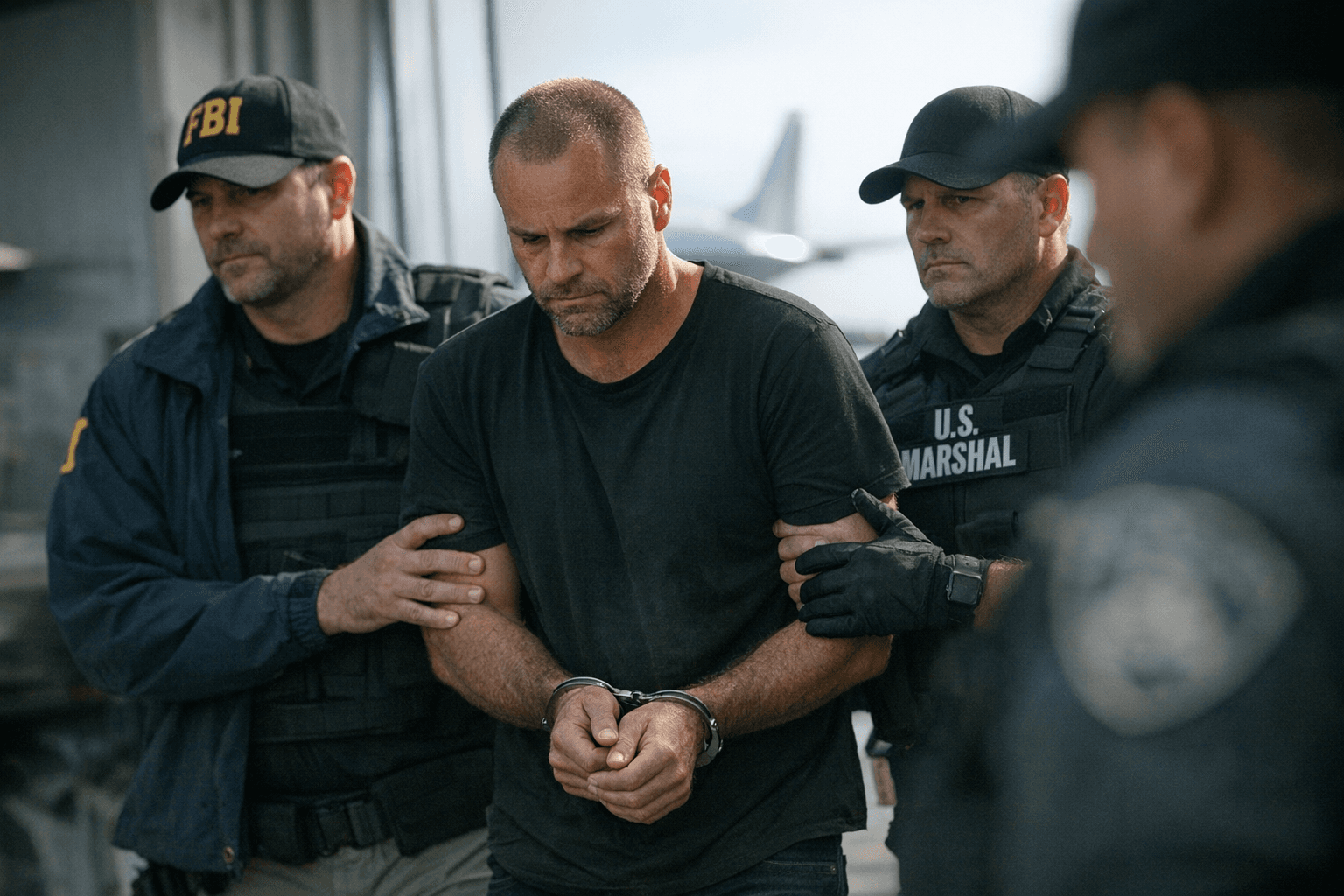
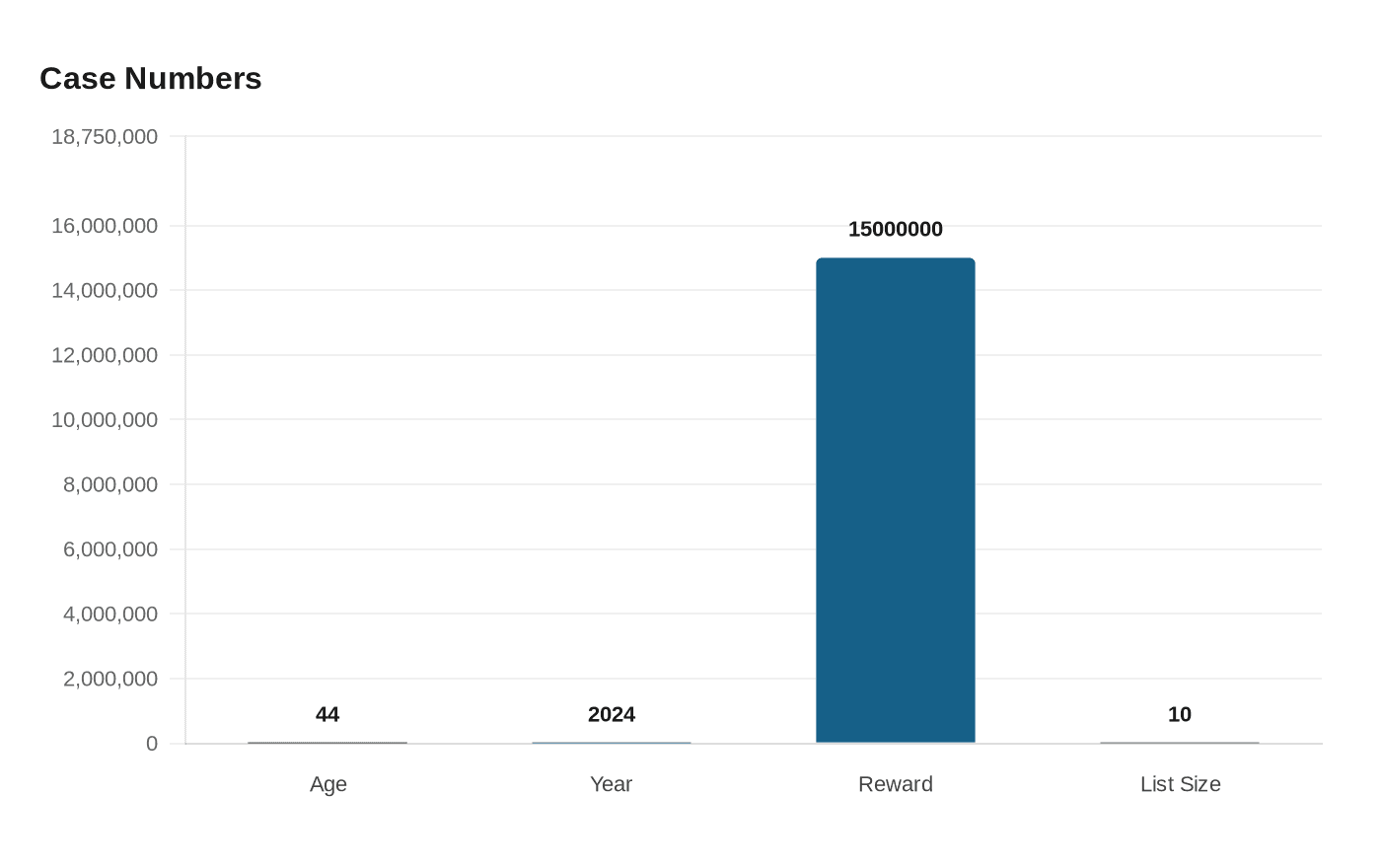
Ryan Wedding, 44, a former Canadian Olympian who had been on the FBI Ten Most Wanted list, surrendered at the U.S. embassy in Mexico City and was flown to California to face a multi-count federal indictment. Federal prosecutors say the indictment, filed in 2024, accuses Wedding of running a multinational cocaine trafficking enterprise and of ordering multiple killings, including the slaying of a federal witness.
Authorities allege Wedding’s organization moved large quantities of cocaine from Colombia through Mexico into the United States and Canada. Investigators have already arrested dozens of alleged co-conspirators and seized drugs, weapons, vehicles and luxury assets linked to the network. FBI officials described the arrest as the result of more than a year of international cooperation, and a $15 million reward had been offered for information leading to his capture.
The charges against Wedding are wide-ranging and serious. Federal filings list enterprise-level drug trafficking, murder and conspiracy counts that could carry lengthy prison terms if proven. Canadian prosecutors also have pending charges, meaning Wedding is likely to face extradition and parallel legal proceedings that could stretch over months or years. The case turns on complex cross-border evidence, witness testimony and financial tracing of assets tied to the alleged trafficking ring.
For the true crime community and for neighborhoods affected by trafficking, the arrest highlights how international coordination and long-term investigations can dismantle large criminal networks. Local law enforcement partners in border states and Canadian provinces often rely on federal resources, intelligence sharing and asset-tracing teams to follow money and property linked to illicit trade. The seizure of luxury assets and vehicles underscores the financial footprint these organizations leave behind.
Practical implications for readers include an increased likelihood of follow-up arrests and ongoing seizures as prosecutors work through the indictment. Court dates in California will provide public records such as charging documents, bail hearings and motions that journalists and community watchdogs can monitor. Victims and witnesses connected to the case may be involved in witness protection and victim services programs as prosecutions progress.
Wedding’s surrender on January 23, 2026, shifts the story from fugitive hunt to courtroom strategy and evidence review. Expect federal prosecutors to pursue asset forfeiture and to present the scope of the trafficking operation at pretrial hearings. The case will also test cross-border prosecutorial cooperation between U.S. and Canadian authorities.
What comes next is a long legal road. Watch for arraignment and detention hearings in California, disclosure of evidence in federal court, and any move by Canadian authorities to press their charges. For those tracking organized drug rings and violent crime, this arrest is a significant development but not the final chapter.
This article was produced by Prism’s automated news system from verified source data, official records, and press releases, then run through automated quality and moderation checks before publishing. The system is built and supervised by the people who set the standards it runs under. Read our full AI policy.
Did this article answer your question?