Former UTMB Cafeteria Worker Sentenced to 10 Years for Assaulting Cancer Patient
A former UTMB cafeteria worker pleaded guilty to sexually assaulting a hospitalized cancer patient and was sentenced to 10 years in the Texas Department of Criminal Justice, spotlighting hospital safety and contractor oversight.

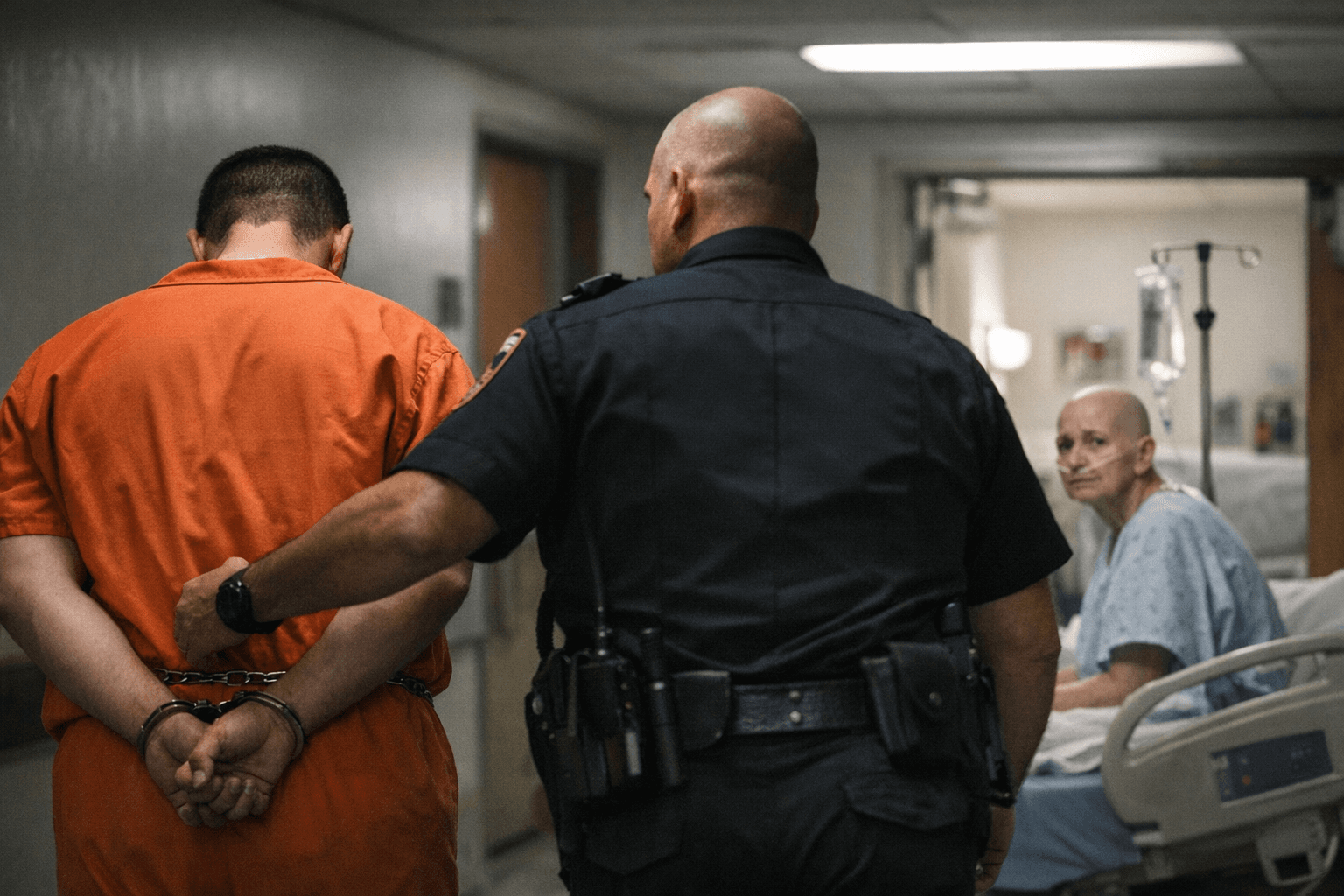
A former cafeteria worker at UTMB Health’s Clear Lake campus, Cristian Daniel Cruz Herrera, 30, was sentenced to 10 years in the Texas Department of Criminal Justice after pleading guilty to one count of sexual assault for an incident involving a hospitalized cancer patient. The attack took place in late October 2023 when the patient says Herrera assaulted her in her bed after delivering lunch.
Court records show Herrera confessed to the assault before his arrest. Following that confession, the contractor that employed him, Sodexo, terminated his employment. Herrera’s guilty plea and the sentence were handed down on January 20, 2026, closing a case that began with an allegation from a vulnerable inpatient and moved through investigation, confession, and prosecution.
The case underscores risks faced by patients who are medically and physically vulnerable, and it raises questions about supervision and vetting of third-party staff working inside hospitals. Hospital cafeterias and food-service lines often rely on contractors to staff roles that interact directly with patients; when those interactions occur in patient rooms, safeguards must be clear and enforceable. For families and caregivers, awareness of who has access to a room and when deliveries are made is a practical step toward preserving safety.
From a criminal-process perspective, the sequence here - an initial report by a patient, investigatory steps that secured a confession, termination by the employer, and a guilty plea - shows how coordination between hospital security, contractors, and law enforcement can lead to accountability. The 10-year sentence signals the seriousness with which the court treated the offense and places Herrera under long-term supervision within the state corrections system.
Community impact reaches beyond the parties directly involved. Patients undergoing cancer treatment are often immunocompromised and physically dependent on staff and visitors; incidents like this can erode trust in care environments. Hospitals and contractor firms will likely face renewed calls to review background checks, on-shift supervision, and policies governing room entries for nonclinical staff. Families should be reminded to document and report unusual behavior, to ask facility staff about visitor and vendor protocols, and to request escorts when needed.
For those tracking victim safety and institutional accountability, this outcome provides both closure and a prompt for change. The conviction and decade-long sentence affirm that assaults on hospitalized patients are criminal acts that will be prosecuted; now the practical work lies with hospitals, contractors, and communities to tighten safeguards so patients can focus on healing without fearing those who are meant to serve them.
This article was produced by Prism’s automated news system from verified source data, official records, and press releases, then run through automated quality and moderation checks before publishing. The system is built and supervised by the people who set the standards it runs under. Read our full AI policy.
Did this article answer your question?