Genetic Genealogy Leads to Arrest in Cold Child Assaults
This guide explains how preserved evidence and modern genetic genealogy produced an arrest in two decades-old child sexual assaults. Readers will learn the investigative steps, from evidence retention to ancestry inference and confirmatory testing, and what this development means for communities and cold-case practices.
1. Case background and timeline
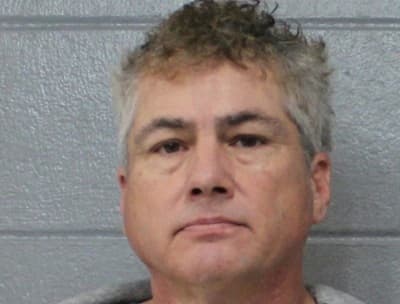
In August 2000 a 7-year-old girl was sexually assaulted in Lawrence, Kansas; police preserved a cigarette found at the crime scene. A separate assault against a 10-year-old boy occurred in 2003 and was later linked by investigators to the same suspect pattern. On December 29, 2025, 58-year-old David James Zimbrick was arrested in connection with those assaults after decades of investigation and new DNA analysis techniques.
2. The preserved cigarette and its significance
Investigators retained the cigarette recovered at the 2000 scene, a decision that proved crucial years later. Biological material on such items can yield DNA profiles that remain viable for long periods if stored and handled properly, turning what would otherwise be ephemeral evidence into a bridge to modern forensic tools. The cigarette ultimately provided the original DNA sample that tied the cold case to a suspect using genetic genealogy.
3. Forensic DNA profiling and database use
Laboratory profiling converted the cigarette’s biological material into a DNA profile suitable for comparative analysis, a standard first step in cold-case work. When routine database searches did not yield an immediate match, authorities advanced to investigative genetic genealogy, an approach that uses long-range familial DNA comparisons to infer relationships. Proper chain-of-custody and high-quality profiling were key for downstream genealogy work and for later court-admissible confirmation.
4. Working with Parabon and the FBI on genetic genealogy
Parabon Nanolabs provided investigative genetic-genealogy assistance in this case, with support from FBI genealogical expertise. Those firms and agencies use DNA profiles to generate ancestry-inference leads and identify possible relatives in public and law-enforcement-accessible databases. Combining commercial genealogy tools with federal resources helped narrow the pool of potential family connections that could lead to a suspect.
5. Ancestry inference and locating biological-family records
The genealogical process moved from DNA matches to family-tree construction, using inferred ancestries and documentary records to build likely lines of descent. Investigators located biological-family records that included an adoption link, a critical discovery that explained why the suspect might not have appeared in conventional family searches. This step shows how genetic clues and archival records together can overturn obstacles like adoption or name changes that traditionally block investigations.
6. Confirmatory testing and arrest procedures
After identifying a likely suspect through genealogy and records, detectives obtained a confirmatory DNA sample from David James Zimbrick; that sample matched the earlier cigarette-derived profile. With that match, police arrested Zimbrick on December 29, 2025, and charged him in connection with the 2000 sexual assault of the 7-year-old and the separate 2003 assault of a 10-year-old. Confirmatory testing on a directly obtained sample is essential to convert a genealogical lead into an admissible evidentiary match.

7. Community review and potential additional charges
Authorities reported that the community and investigators are reviewing other similar incidents to determine whether additional charges may follow. This means law enforcement will likely re-examine archival case files and evidence from comparable unsolved assaults for links to the suspect’s pattern or DNA profile. For communities, this step can provide reassurance that police are taking a comprehensive look instead of treating cases in isolation.
8. Practical takeaways for investigators and communities
- Preserve and document evidence: Retaining and properly storing items with biological material, cigarettes, clothing, and other items, can be decisive years later, as shown here.
- Use multidisciplinary collaboration: Combining private forensic-genealogy firms, federal expertise, and traditional detectives increases the likelihood of a breakthrough in complex cold cases.
- Revisit old records: Adoption records, name changes, and hidden family ties frequently explain why suspects remain hidden from conventional inquiries; archival research can be as important as DNA.
These practical steps improve cold-case solvability and strengthen community trust when transparent, methodical work leads to accountability.
9. Ethical, legal, and privacy considerations
Genetic genealogy raises legal and privacy questions that communities and investigators must navigate carefully. Investigative use typically requires clear protocols about which databases are searched, how consent is treated, and how leads are developed to avoid overreach. Maintaining transparency with the public about methods and safeguards helps preserve civil liberties while enabling powerful investigative tools.
10. What to watch next and community involvement
Expect follow-up reporting on whether additional charges will be filed as investigators compare other unsolved incidents against the Zimbrick connection. Community members can help by reporting new or previously unshared information to investigators and by supporting victims seeking services. Ongoing oversight, victim-centered communication, and clear updates from law enforcement will be critical as these investigations proceed.
Conclusion
This arrest underscores how long-term evidence retention, advances in genetic genealogy, and collaborative forensic work can solve crimes previously thought unsolvable. For communities and investigators alike, the case reinforces the value of careful evidence handling, cross-disciplinary partnerships, and ethical use of emerging tools to pursue justice for victims.
This article was produced by Prism’s automated news system from verified source data, official records, and press releases, then run through automated quality and moderation checks before publishing. The system is built and supervised by the people who set the standards it runs under. Read our full AI policy.
Did this article answer your question?