Handsome Devil Docuseries Examines Wade Wilson, Murders and Online Fandom
Paramount+ released a three-part docuseries that revisits Wade Wilson's conviction and probes how charisma and online fandom can turn violent offenders into quasi-celebrities.
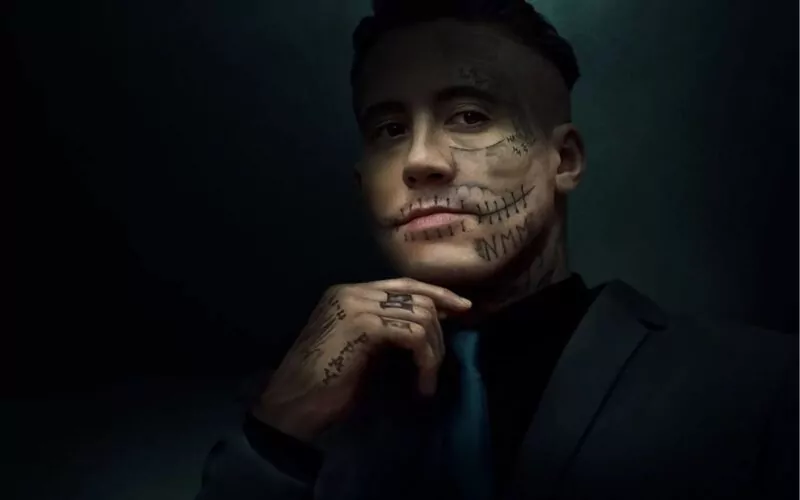
Paramount+ premiered the three-part docuseries "Handsome Devil: The Charming Killer" on January 21, 2026, revisiting the case of Wade Wilson, a Florida man convicted of killing two women. The series traces the story from the manhunt and arrest through trial and the lingering fallout, and it foregrounds a troubling dynamic: how charm and internet fandom can reshape public perception of violent crime.
The series is organized in three clear acts. The first episode reconstructs the police investigation and media frenzy that followed the disappearances. The second focuses on courtroom drama and legal strategy during Wilson's trial. The third examines the aftermath - the families left behind, the online subcultures that coalesced around Wilson, and broader questions about the ethics of true-crime consumption. Interviews with victims' family members and criminology experts are woven throughout, giving family voices a central role while placing the case in a wider social context.
The documentary makes a central point that will matter to true-crime communities and anyone who follows high-profile cases: charisma can distort accountability. The filmmakers document how social media accounts, fan art, and idolizing commentary created a celebrity-like aura around Wilson, complicating how witnesses, jurors, and journalists approached the facts. The series also explores how algorithmic attention and fandom economies can amplify certain narratives, sometimes at the expense of victims' dignity and of careful reporting.
As a piece of production, the series is competent but not without questions. The review notes concerns about framing and pacing that occasionally risk aestheticizing Wilson rather than interrogating the structural dynamics that enabled his notoriety. At the same time, the inclusion of victims' relatives and expert testimony strengthens the documentary's investigatory core, pushing viewers to consider consequences beyond clicks and subscription metrics.
For local communities and online sleuths who participate in trial threads, the docuseries serves as a reminder to balance curiosity with ethics. Verify sources, avoid amplifying unvetted claims, and center survivors and victims' families when discussing cases. For journalists and podcasters, the series underscores the responsibility of narrative choices - how storytelling can unintentionally contribute to fandom-driven harm.
Handsome Devil raises broader questions about the intersection of social media and criminal justice, and it nudges the true-crime community toward a more accountable practice. Expect renewed debate over how streaming platforms package real violence and how audiences can watch critically while supporting those most affected.
This article was produced by Prism’s automated news system from verified source data, official records, and press releases, then run through automated quality and moderation checks before publishing. The system is built and supervised by the people who set the standards it runs under. Read our full AI policy.
Did this article answer your question?