How NamUs Helps Match Missing People and Unidentified Remains
NamUs is a national, searchable database that helps match missing person reports with unidentified human remains, and it provides forensic support through participating partner laboratories. Understanding how to search, document potential matches, and report tips safely matters because community involvement can aid investigations while protecting privacy and preserving evidence.

The National Missing and Unidentified Persons System, known as NamUs, serves as a centralized tool for connecting missing person reports with unidentified human remains and for supporting forensic work. The system accepts case intake from law enforcement, medical examiners, coroners and registered users, and it offers forensic services including DNA comparison, fingerprinting, radiograph and dental comparisons through participating partner laboratories. Automated matching tools use demographics, distinguishing marks and dental and skeletal data to flag potential links between cases.
For anyone who wants to help, practical steps matter. Search NamUs case records using multiple fields such as name, age, region, physical descriptors, tattoos and scars, and dental or medical features. When you identify a potential match, compare and document findings carefully, and record case numbers and the listed law enforcement contact rather than sharing sensitive personal details in public forums. Share verified, factual tips directly with the law enforcement contact listed on the case or through NamUs tip reporting mechanisms, so investigators receive information through official channels.
Do not interfere with active investigations. Do not contact families directly and do not conduct private surveillance. Prioritize safety and privacy for affected families and for yourself. Learn what forensic resources NamUs can provide and how family reference samples are handled before offering DNA or other biological material. Use NamUs training materials and the official help desk for guidance on submitting or reviewing records, and start at the official NamUs website for intake and reporting procedures.
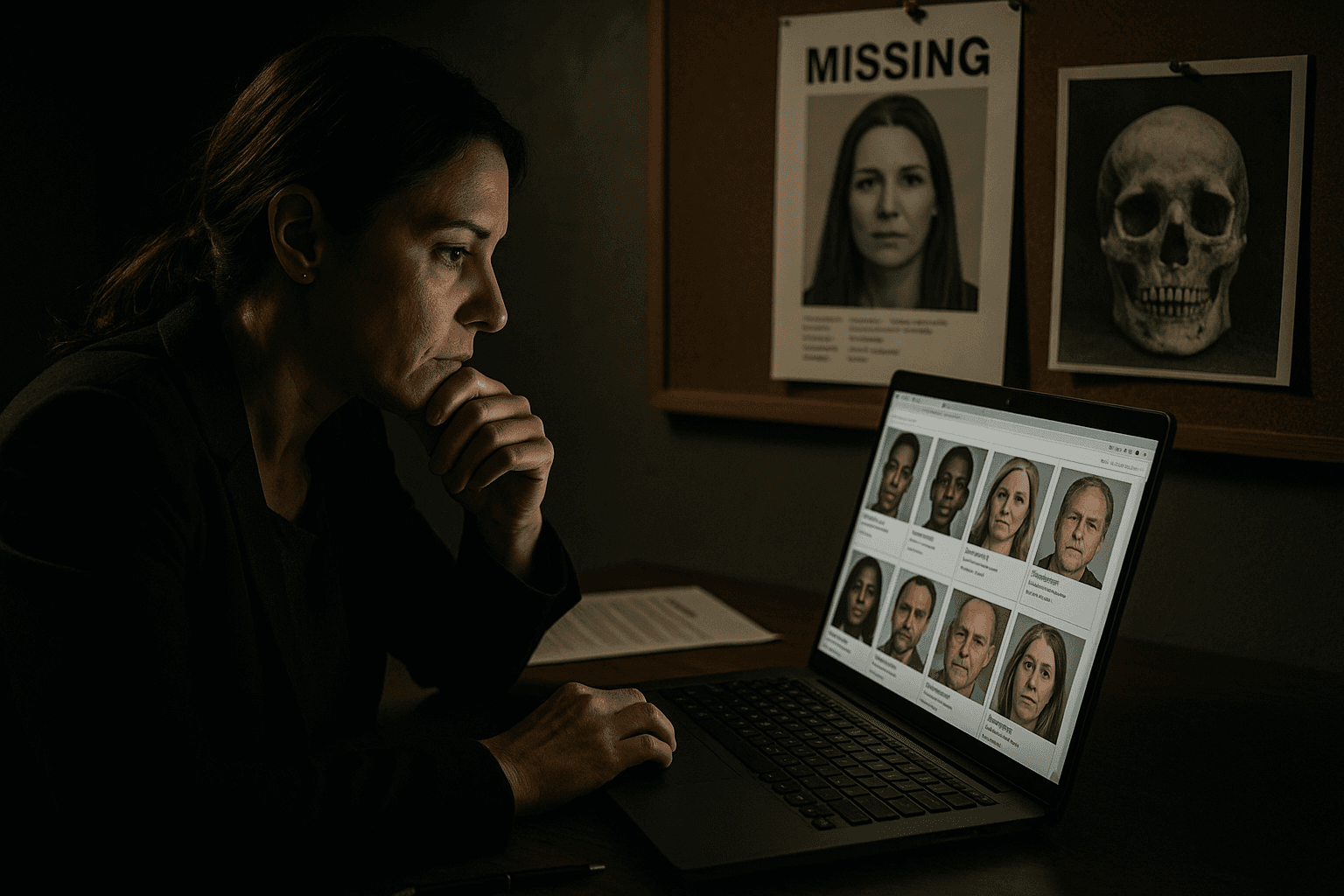
Community members and volunteer researchers can add value by doing careful, responsible groundwork and by routing information to investigators who can act on it. Verify sources before sharing tips, document identifying details with case numbers, and follow established intake procedures. Responsible public involvement helps reduce backlog, improves the chance of accurate matches, and supports families seeking answers while safeguarding investigations and privacy.
This article was produced by Prism’s automated news system from verified source data, official records, and press releases, then run through automated quality and moderation checks before publishing. The system is built and supervised by the people who set the standards it runs under. Read our full AI policy.
Did this article answer your question?