Judge Orders Release of Closed Hearing Transcript in Kirk Case
A Utah judge ordered the public release of a 97 page transcript and an audio recording from an Oct. 24 closed door hearing that examined whether Tyler Robinson must be shackled in court, with limited redactions for security concerns. The record sheds light on defense counsel asking, for the first time, to prohibit courtroom cameras, and it matters because it touches on transparency, courtroom safety, and the rights of the accused as the case moves toward a May 18 preliminary hearing.

A Utah judge on December 29 ordered the release of a 97 page transcript and an audio recording from a closed door hearing held on Oct. 24 that addressed whether defendant Tyler Robinson must be restrained during court proceedings. The materials were released with limited redactions to protect safety and security, while the judge has not yet issued a final ruling on the defense request to ban cameras from the courtroom entirely.
The hearing focused on courtroom restraints and the presentation of images or footage that could shape public perception. Media attorneys had pushed for access to the record, arguing the hearing was the first time defense counsel raised the possibility of a camera prohibition. The court's decision to publish the transcript and audio with redactions balances competing concerns about public access and safety.
Robinson faces an aggravated murder charge in the Sept. 10 shooting that killed conservative activist Charlie Kirk on the Utah Valley University campus. Prosecutors have notified the court that they will seek the death penalty. A preliminary hearing is scheduled for May 18, 2026, a date that will determine whether the case moves forward to trial.
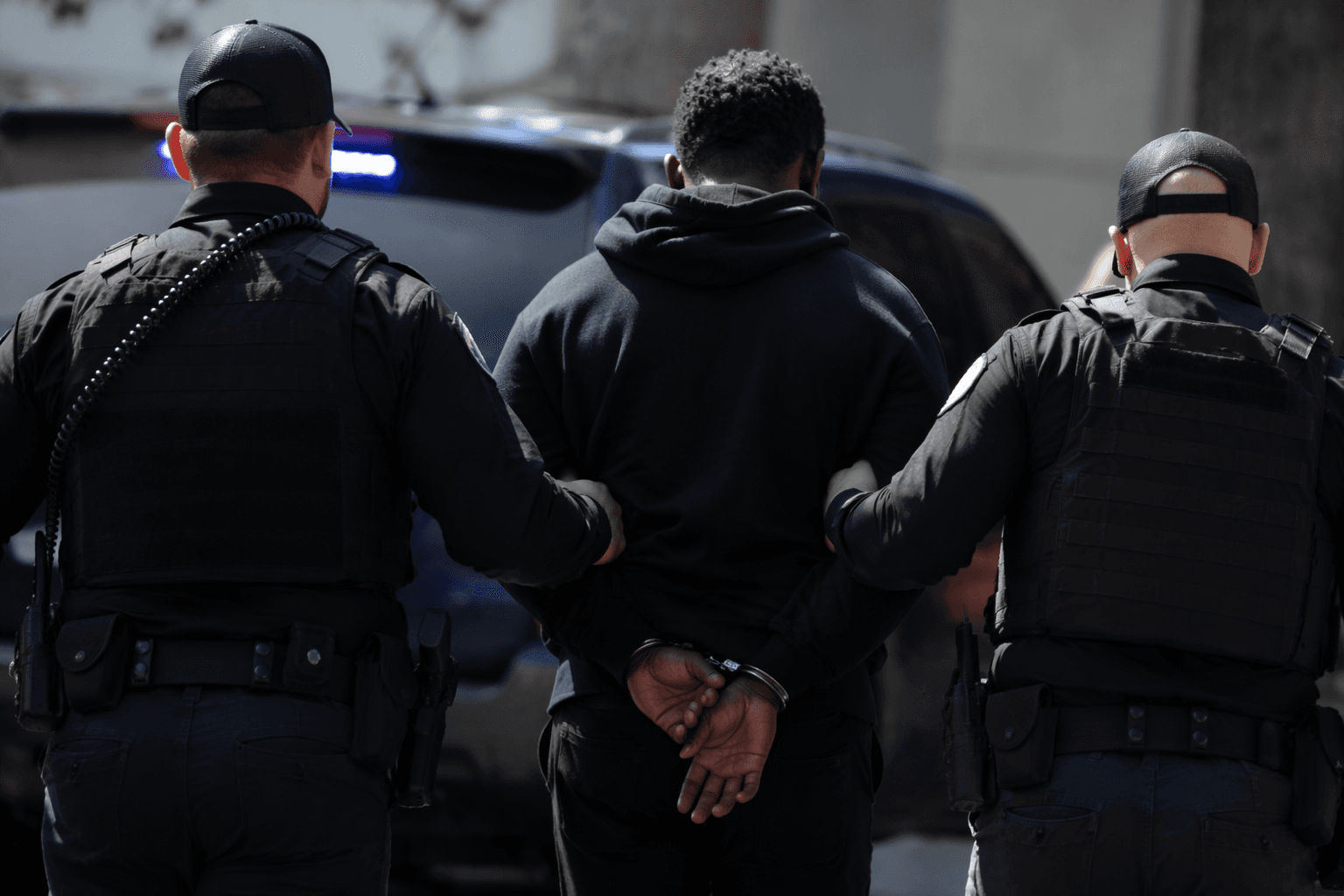
The judge has already imposed several limits intended to protect Robinson's presumption of innocence. Those restrictions include rules about how images that show restraints may be published, aimed at preventing dissemination of photos or video that could influence potential jurors or inflame public sentiment. The partial redactions in the released transcript were made for similar reasons, with court officials citing safety and security as the basis for withholding specific details.
For the community and journalists, the court's action carries practical implications. The transcript provides a clearer record of arguments over courtroom cameras and restraints, helping reporters and the public understand the legal standards the judge is weighing. Media organizations can review what was said to better prepare for the May 18 hearing and to plan responsible coverage that adheres to the restrictions the judge has set.
The release also underscores how courts navigate transparency when high profile and politically charged cases draw intense attention. The balance between open access and protecting the fairness and safety of proceedings will remain a key issue as the case progresses. Community members seeking updates should follow court calendars for scheduling changes and be aware that additional redactions or rulings could shape what information becomes public before trial.
This article was produced by Prism’s automated news system from verified source data, official records, and press releases, then run through automated quality and moderation checks before publishing. The system is built and supervised by the people who set the standards it runs under. Read our full AI policy.
Did this article answer your question?