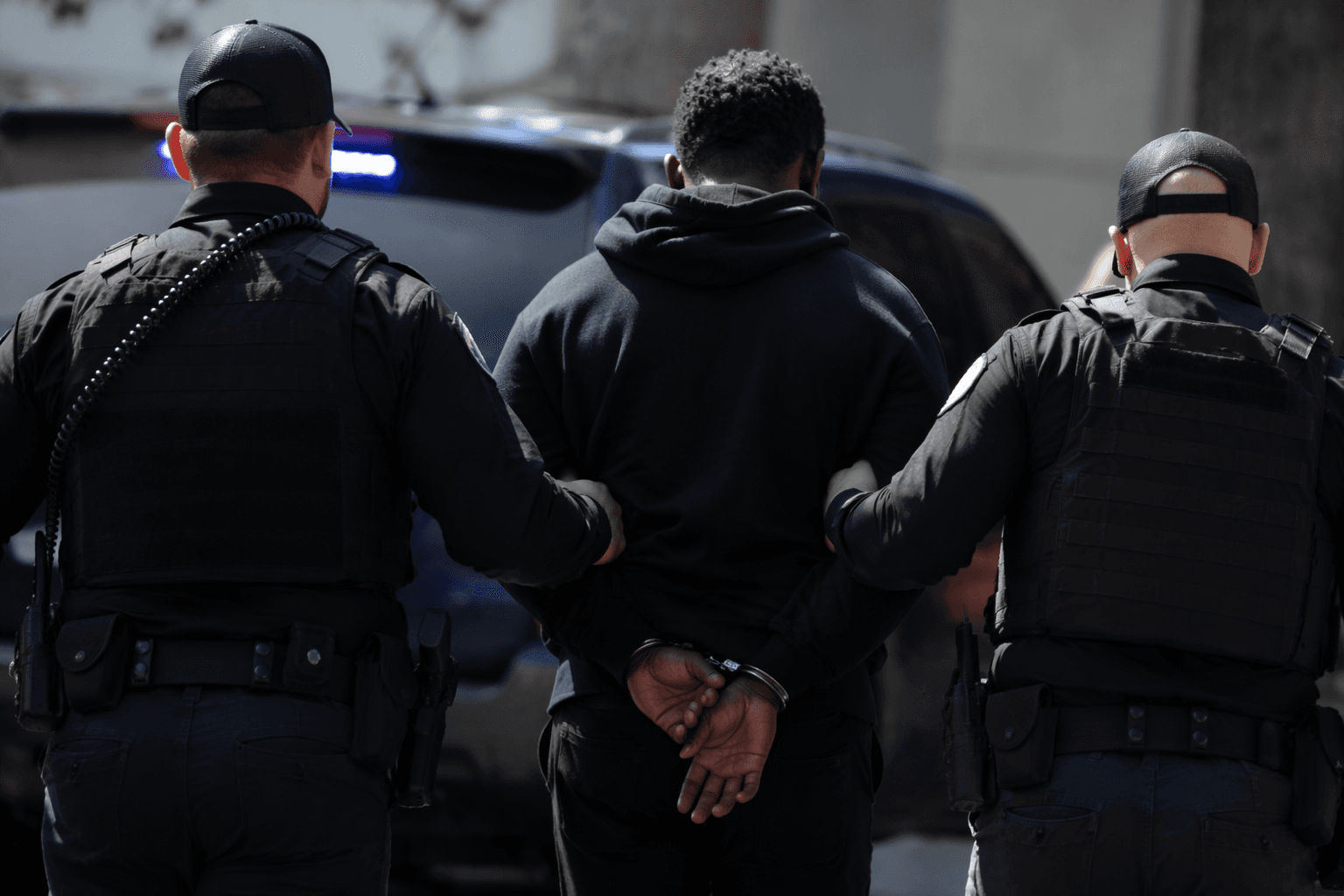
Jury Selection Begins for Issiah Ross After Rejecting Plea in Double Murder
Jury selection began Jan. 13 in Hillsborough for Issiah Ross, charged in the 2022 deaths of Lyric Woods and Devin Clark. He rejected a plea that would have reduced charges.
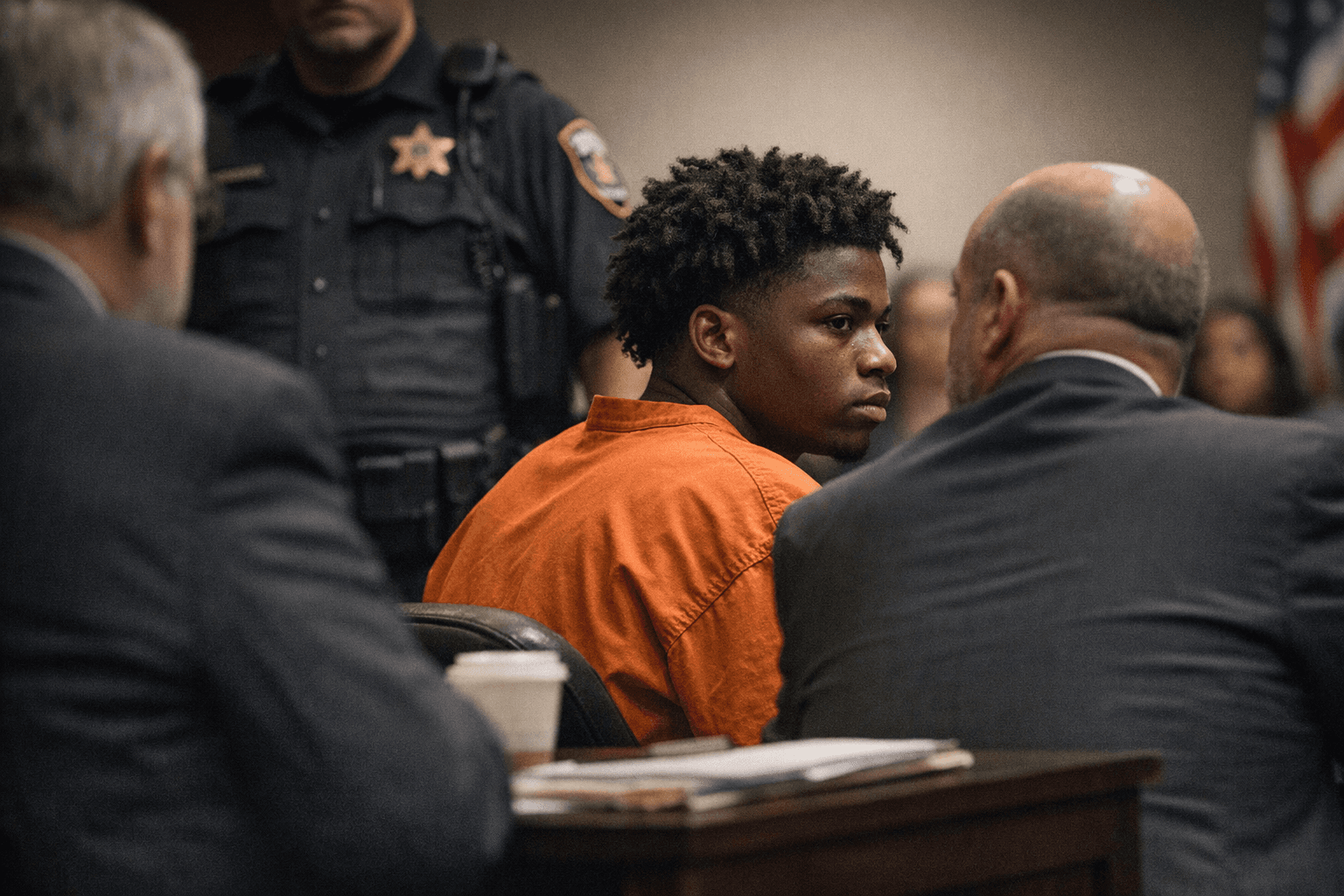
Jury selection and early trial proceedings began Jan. 13-14 in Hillsborough for Issiah Ross, who faces two counts of first-degree murder in the 2022 deaths of 14-year-old Lyric Woods and 18-year-old Devin Clark. Ross was 17 at the time of the alleged offense and is being tried as an adult, keeping the case in superior court and exposing him to life-without-parole sentencing if convicted.
The preliminary days in court focused on picking an impartial jury through voir dire and handling routine matters to set the stage for a trial expected to last multiple weeks. Prosecutors and defense counsel filed into the courtroom as potential jurors were questioned about biases, ties to the victims, and views on juvenile defendants tried as adults. With the defendant declining a plea offer earlier in the process, the case is moving forward to full presentation of evidence and witness testimony.
The rejected plea would have reduced the charges to second-degree murder and removed exposure to life without parole. By turning that offer down, the defendant chose to have jurors decide whether the state can prove first-degree murder beyond a reasonable doubt. The decision increases both the stakes in the courtroom and the attention from families and neighbors who have followed the case since 2022.
For the community, the trial raises several immediate concerns. Families connected to the victims are seeking transparency and closure, residents want a fair and careful process, and advocates for juvenile justice are watching how a 17-year-old is processed through the adult system. The proceedings also test local court capacity, as a multi-week trial demands coordination of courtroom time, witness scheduling, and security measures.
Practical implications for readers include what to expect in the coming weeks. Trials of this scale typically feature eyewitness testimony, forensic evidence, and cross-examination that can reopen painful details for families and the community. Courtroom access is generally public, so those wishing to follow the trial in person should check schedules at the Hillsborough courthouse and be prepared for long days. Coverage and official court records will provide the outcome of each phase as the trial unfolds.
What comes next is the presentation of the state’s case, followed by the defense response and closing arguments. The jurors chosen during voir dire will carry the responsibility of weighing the evidence and delivering a verdict that will shape not just the defendants future but also how this community reckons with a violent episode from 2022 and the broader questions about youth, accountability, and public safety.
This article was produced by Prism’s automated news system from verified source data, official records, and press releases, then run through automated quality and moderation checks before publishing. The system is built and supervised by the people who set the standards it runs under. Read our full AI policy.
Did this article answer your question?