Letecia Stauch Murder Conviction Overturned, Juror Bias Forces New Trial
Letecia Stauch's murder conviction for killing stepson Gannon, 11, was thrown out after a juror with ties to prosecutors was found to have tainted the trial.
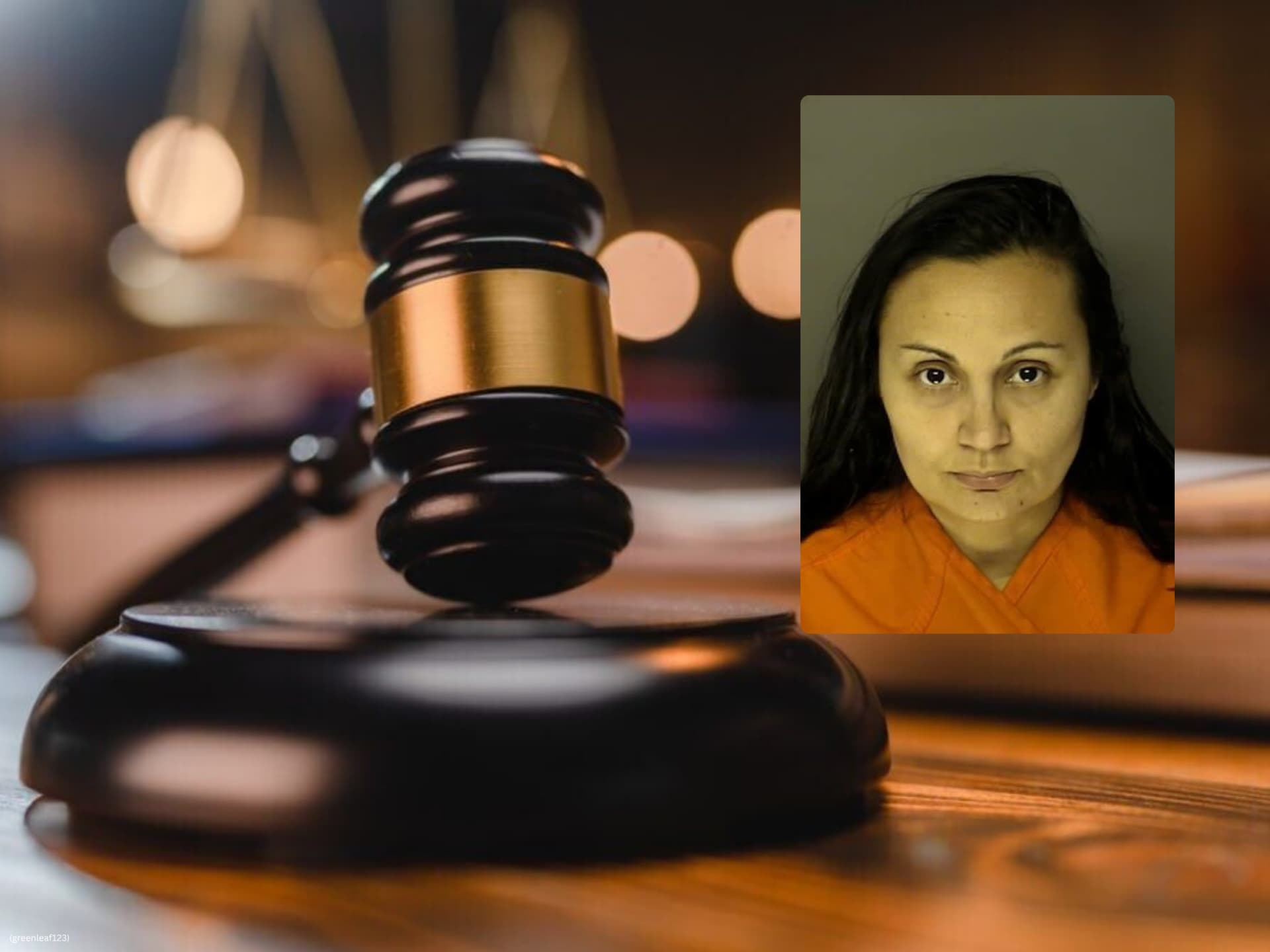
A single compromised juror was enough to unravel the conviction of Letecia Stauch, the Colorado stepmother found guilty of stabbing and shooting 11-year-old Gannon Stauch inside their El Paso County home. The Colorado Court of Appeals vacated her 2023 murder conviction on April 2, ruling that a juror who sat through the entire trial held a disqualifying relationship to people connected to the prosecuting office, within the degree of kinship restricted under Colorado law. The panel classified the error as structural, a legal designation that bypasses harmless-error analysis and requires reversal without any weighing of prejudice. The opinion runs 52 pages.
For the true crime community that followed this case from the moment Gannon was reported missing in late January 2020, the ruling forces a reckoning with one of the most disturbing child homicide cases in recent Colorado memory. Prosecutors alleged Letecia stabbed and shot her stepson inside the family home in unincorporated El Paso County; his body surfaced weeks later under a bridge in Florida, hundreds of miles from where he disappeared. He was 11 years old.
The El Paso County trial in May 2023 attracted national attention, driven by the brutality of the crime and the victim's age. Letecia Stauch was convicted and sentenced that same year.
The appellate ruling carries no finding of innocence. The reversal rests entirely on juror-qualification requirements and procedural fairness, sending the case back to El Paso County District Court. Prosecutors can now seek a retrial, pursue other remedies, or appeal the decision to the Colorado Supreme Court. The district attorney's office has acknowledged both the ruling and the path to further review.
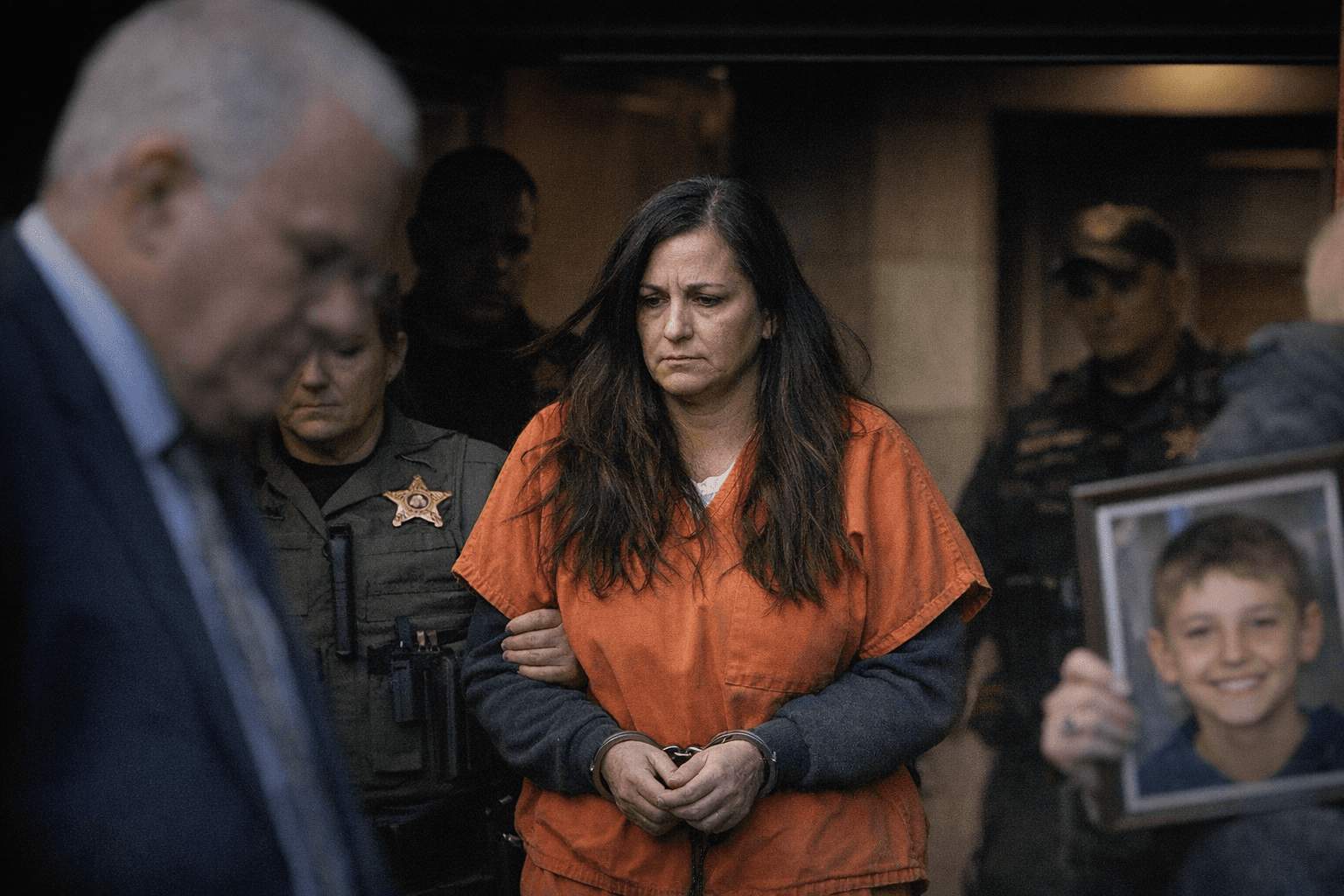
Gannon's father, Albert Stauch, told local media he felt "truly torn" about being forced back into the process, a response that lays bare the impossible tension between constitutional safeguards and a family's need for finality six years after losing a child.
A retrial, if it moves forward, would demand prosecutors reassemble forensic, testimonial and circumstantial evidence from a crime that has aged well past the original investigation. Legal analysts have noted that reversals on juror-qualification grounds are rare but not unprecedented. Whether the Colorado Supreme Court steps in, or whether Letecia Stauch faces a second jury in El Paso County, the next move belongs to the district attorney's office.
This article was produced by Prism’s automated news system from verified source data, official records, and press releases, then run through automated quality and moderation checks before publishing. The system is built and supervised by the people who set the standards it runs under. Read our full AI policy.
Did this article answer your question?