Lifetime Premieres Mary Jo Buttafuoco Film Reframing 1992 Tabloid Shooting
Lifetime premiered a Mary Jo Buttafuoco film that reframes the 1992 shooting as a survivor-centered, first-person account; it premiered Jan. 17 and is available on Lifetime and next-day streaming.
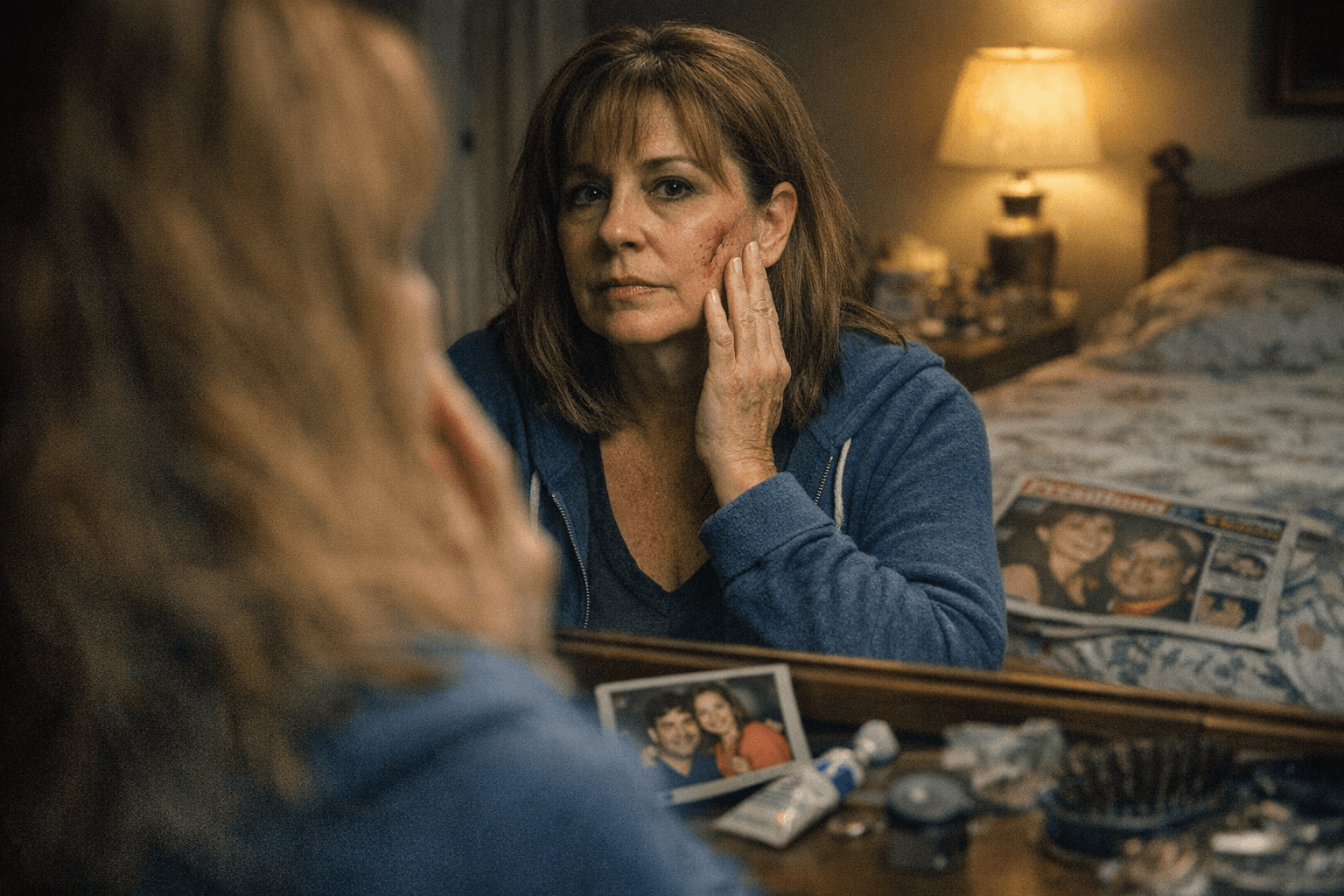
A feature-length, first-person retelling narrated by Mary Jo Buttafuoco premiered on January 17, 2026, and aims to recast a tabloid moment into a survivor-centered narrative. The film dramatizes the 1992 shooting carried out by then-teen Amy Fisher, the intense media focus that followed, and Mary Jo Buttafuoco’s long recovery.
Titled I Am Mary Jo Buttafuoco, the film places Buttafuoco’s voice at the center of the story rather than allowing headlines to define her. Chloe Lanier plays the younger Mary Jo in scenes that reconstruct the attack and its immediate aftermath, while the production foregrounds Mary Jo’s perspective as narrator. Coverage around the premiere included interviews with Buttafuoco and attention to casting choices and creative decisions intended to shift emphasis from sensationalism to survival and resilience.
For the true crime community and local readers who remember the case, the film represents a clear reframing. The 1992 shooting became a media spectacle that overshadowed the person wounded and her recovery; this retelling seeks to correct that imbalance. By narrating her own experience, Mary Jo Buttafuoco attempts to reclaim agency over details that were previously filtered through tabloid frames, courtroom sound bites, and late-night speculation.
Practical value for viewers is straightforward. You can watch I Am Mary Jo Buttafuoco on Lifetime, and it is available next day through the network’s streaming and on-demand platforms. For community members interested in media literacy and ethics, the film provides a case study in how coverage choices shape public perception and how survivors can push back on secondary victimization. Verify sources and court records if you want to fact-check dramatized scenes; use the film as a starting point for deeper research rather than a comprehensive legal chronicle.
The premiere also has implications for how true crime narratives are produced going forward. Projects that center survivor testimony and contextualize media behavior create space for more nuanced conversations about culpability, exploitation, and healing. Expect renewed interest in the original case files and in discussions about responsible storytelling in broadcast and streaming formats.
This release is a reminder that endings can be reframed. For viewers, the immediate next step is simple: watch the film, consider the context it restores, and prioritize survivor perspectives when revisiting high-profile cases from the 1990s and beyond.
This article was produced by Prism’s automated news system from verified source data, official records, and press releases, then run through automated quality and moderation checks before publishing. The system is built and supervised by the people who set the standards it runs under. Read our full AI policy.
Did this article answer your question?