Lindsay Clancy hearing centers on courtroom access, insanity defense claim
A judge let Lindsay Clancy’s family stay in court as prosecutors fought over a 911 call, graphic photos and blood-spatter evidence in her insanity-defense case.
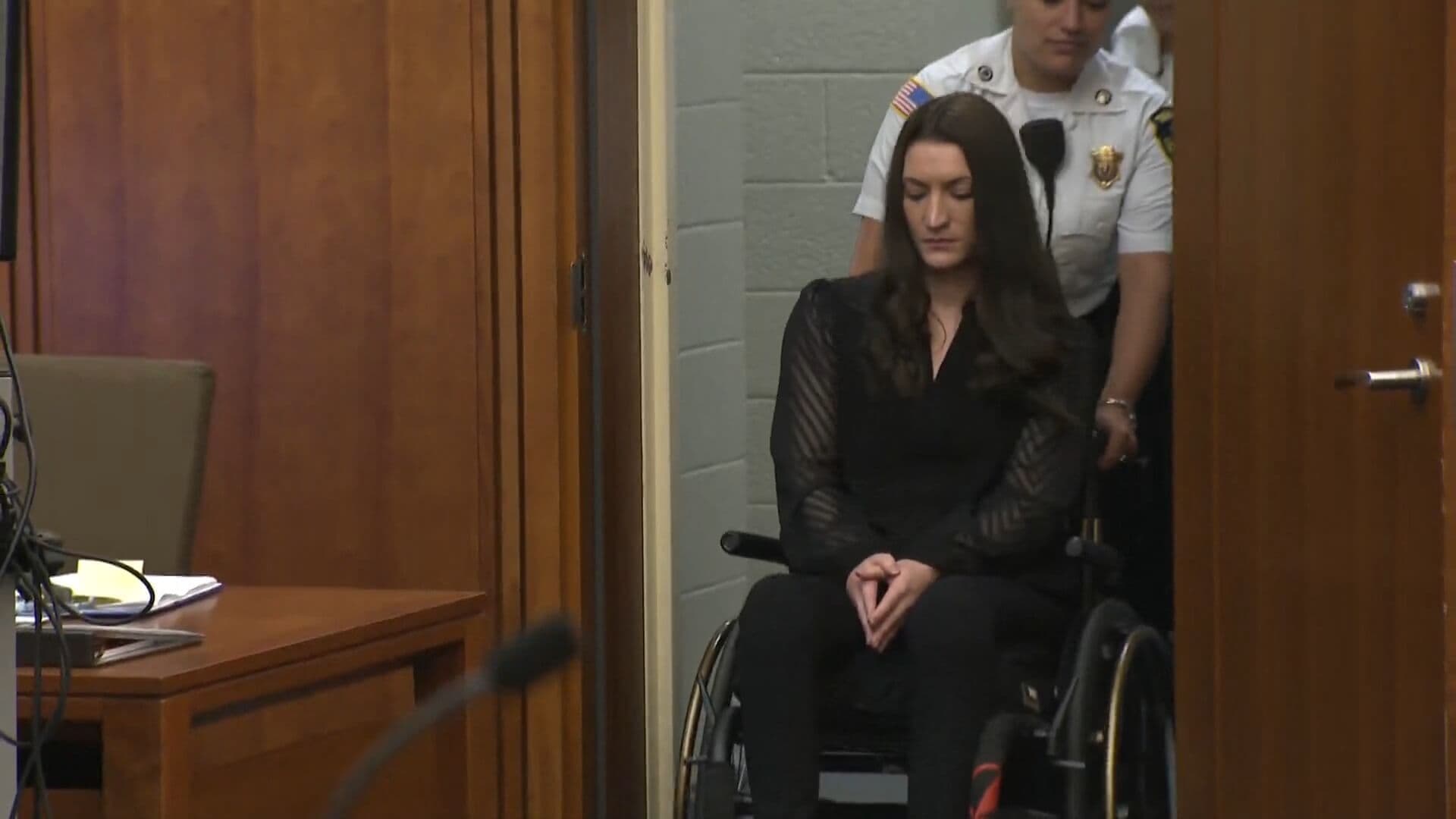
The fight in Lindsay Clancy’s case is no longer just about what happened in the Duxbury house. It is now about what jurors may be allowed to see and hear, and whether the first real battleground of the trial will be the evidence itself.
Clancy, 35, is charged with murdering her three children, Cora, 5, Dawson, 3, and Callan, 7 months, who prosecutors say were strangled with exercise bands in the basement of the family home in January 2023. After the killings, she allegedly tried to cut herself with a knife and then jumped from a second-story window, leaving her paralyzed. Her defense says she was suffering from postpartum psychosis, and has filed a notice of lack of criminal responsibility, Massachusetts’s insanity-defense framework.

At the June 18 hearing, the sharpest dispute was over courtroom access. Prosecutors wanted Clancy’s parents and sister excluded until they testified, arguing they had not spoken with the prosecution about their testimony. Judge William F. Sullivan rejected that push and allowed them to remain in the courtroom. That ruling matters because family members are often key witnesses in a case this high-profile, and their presence can shape the atmosphere long before the first witness takes the stand.
The other flashpoint was a proposed blood-spatter demonstration. Defense attorney Kevin Reddington blasted it as “voodoo forensics,” calling the state’s plan speculative. Sullivan did not shut the door on the evidence, but he said it could not go forward without another hearing, including voir dire of the expert and the proposed demonstration itself. In other words, the judge is forcing the prosecution to show exactly how the display would work before a jury ever sees it.

Prosecutors are also pressing for more emotionally charged evidence. They want jurors to hear Patrick Clancy’s 911 call from the moment he came home and found his wife paralyzed and the children dead or dying. Sullivan said he was inclined to allow the recording after listening to it himself. The state also sought permission to introduce crime scene photos and autopsy photos, materials that would bolster its timeline and the physical reality of the killings, while the defense is trying to keep the trial anchored to mental illness and treatment failures.

The case is now set for July 20, 2026, after what prosecutors have described as an eight-week trial estimate. Another hearing is scheduled for July 13. By then, the fight over who sits in the courtroom and what the jury gets to see may say as much about the case as any opening statement ever will.
This article was produced by Prism’s automated news system from verified source data, official records, and press releases, then run through automated quality and moderation checks before publishing. The system is built and supervised by the people who set the standards it runs under. Read our full AI policy.
Did this article answer your question?