Mississippi man pleads not guilty in six-death rampage
A 24-year-old entered not-guilty pleas to 11 charges after a multi-location rampage left six dead. The case raises urgent safety and legal questions for Clay County residents.

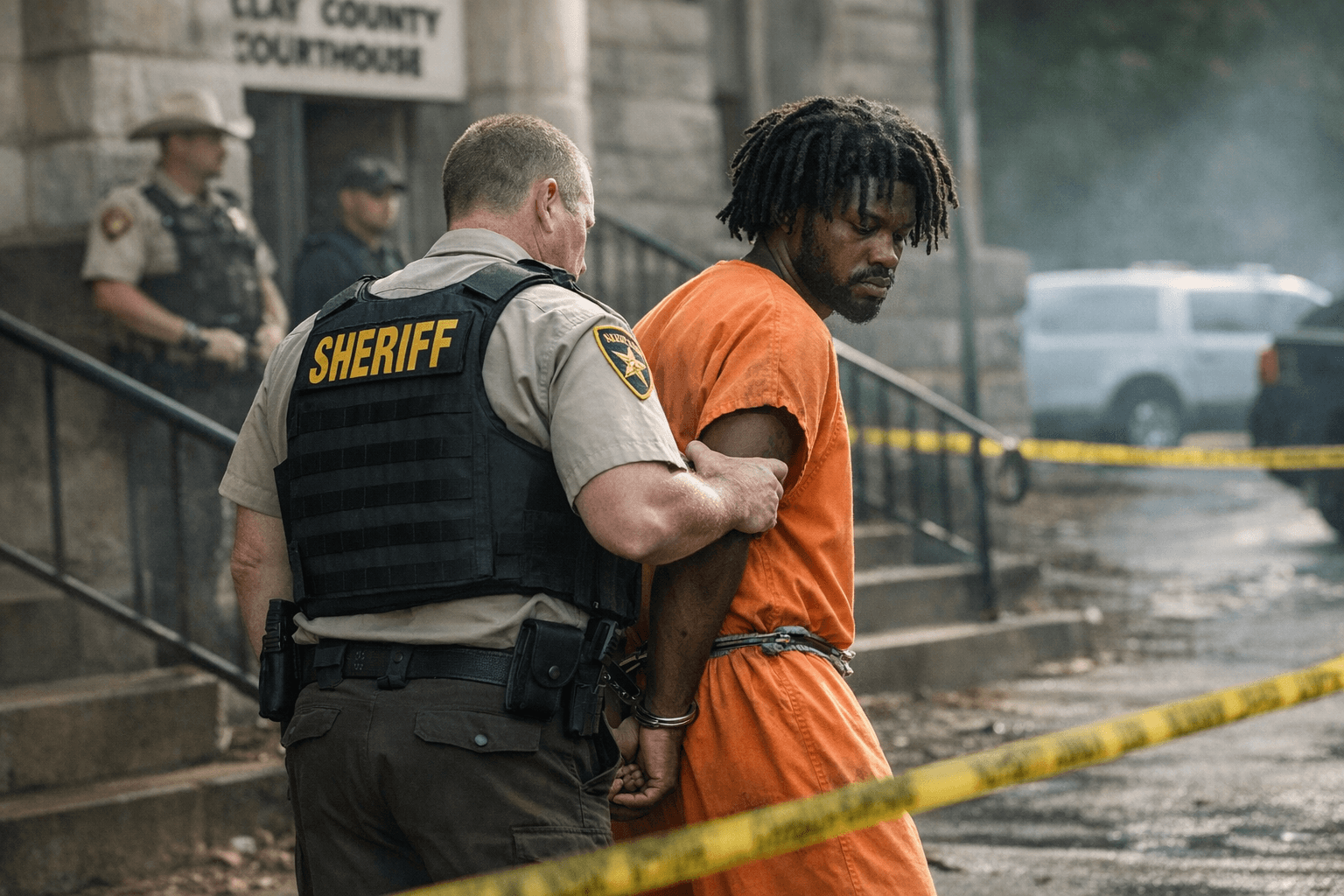
Clay County residents are grappling with a series of killings that prosecutors say left six people dead, including a 7-year-old girl. At a Jan. 12 hearing, 24-year-old Daricka M. Moore entered not-guilty pleas to 11 charges tied to the attacks, which unfolded across multiple locations in a short span and ended with his capture at a police roadblock.
Authorities allege the violence began at a family mobile home, where Moore killed his father, brother and uncle. Investigators say he then carjacked a truck and forced his way into a cousin’s home, where he attempted sexual battery and fatally shot the 7-year-old child. The rampage continued at a small church, where prosecutors say Moore killed a pastor and the pastor’s brother before law enforcement intercepted him at the roadblock.
Moore is being held without bail under state law as prosecutors pursue capital murder charges, and the district attorney has indicated an intention to seek the death penalty. A mental evaluation was ordered during the hearing. Local officials have said investigators believe Moore acted alone, and no motive has been made public.
For community members, the sequence and severity of the alleged crimes raise immediate questions about rural safety, family dynamics and how quickly a violent spree can escalate. Expect a sustained law enforcement and prosecutorial presence as the case moves through pretrial proceedings. Court filings and the ordered mental evaluation will be central to how charges progress and whether prosecutors pursue capital punishment.
Practical steps for residents include staying informed through official Clay County court and law enforcement channels, checking on family and neighbors, and being mindful of ongoing investigative activity in the area. If you have information tied to the events, provide it to investigators rather than sharing unverified details on social media; preserving the chain of information helps support a thorough prosecution and protects the integrity of evidence.
The human impact is immediate: six families are grieving, and a community accustomed to quiet rural life must process trauma and questions about prevention. Local victim services and pastoral networks are likely to play a central role in short-term support.
Our two cents? Keep your circle informed, avoid speculation, and let the legal process run while offering practical support to those affected. For now, community safety depends on staying aware, reporting credible tips, and supporting the families who are rebuilding after an unfathomable loss.
Know something we missed? Have a correction or additional information?
Submit a Tip