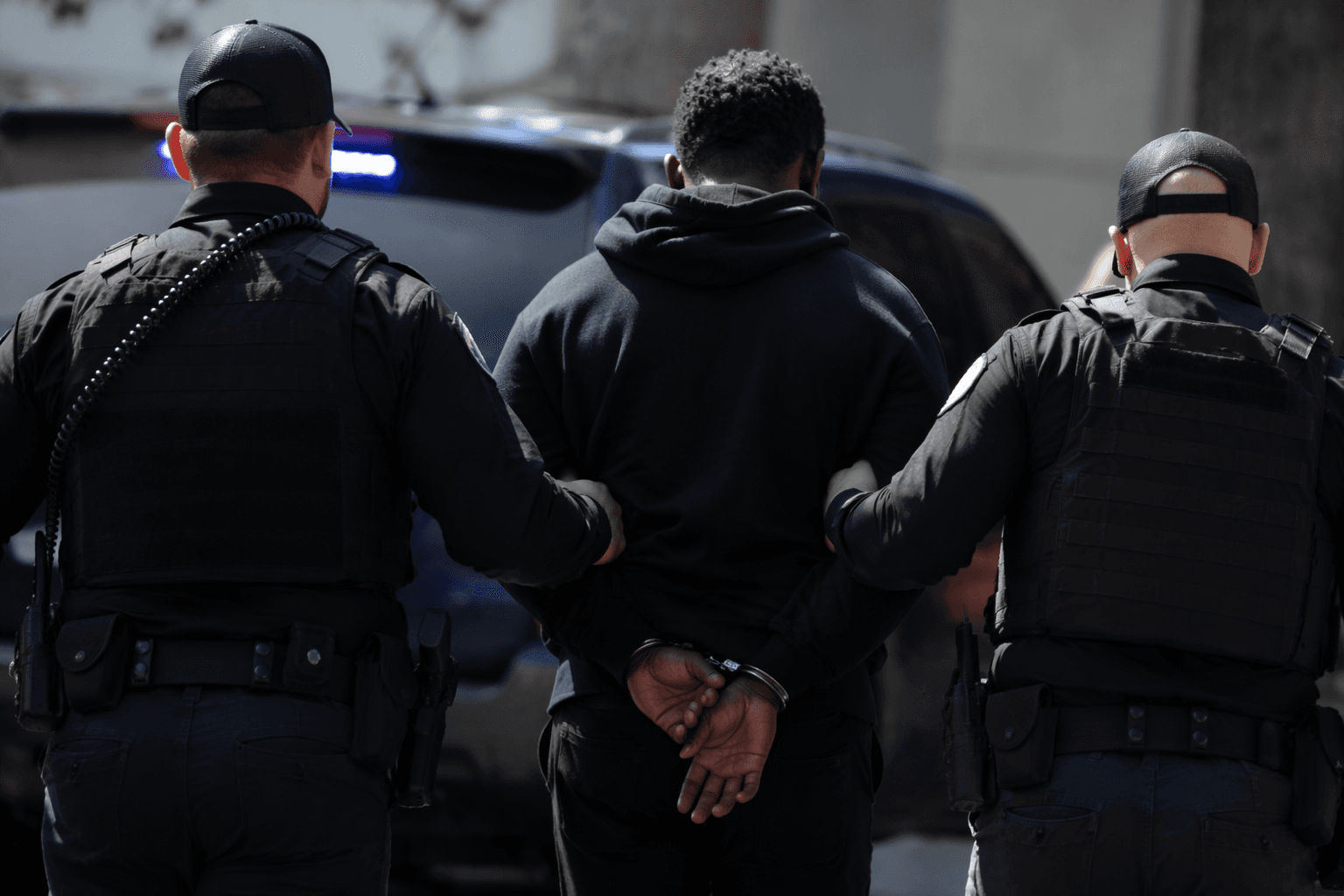
Mother Charged in Daughter's Death Fights for Key Forensic Evidence
Ashlee Buzzard's defense is demanding raw DNA and ballistics files that prosecutors used to link her to daughter Melodee's death and remains found in Utah.

Ashlee Buzzard, the Vandenberg Village mother charged with murdering her 9-year-old daughter Melodee, walked into the Lompoc Courthouse on April 1 with her defense team ready to fight not over guilt or innocence but over access to the raw science that prosecutors say connects her to a crime scene more than 700 miles away.
The hearing centered on a motion to compel, filed by the defense, demanding that prosecutors and local law enforcement turn over underlying forensic data they argue already exist in agency files: raw DNA lab results, ballistics reports, and autopsy materials tied directly to Melodee's case. Defense attorneys laid out a discovery timeline that began with informal requests in late December 2025 and stretched through January and into late March 2026 without full resolution.
The urgency is rooted in what law enforcement has already said publicly. Santa Barbara County Sheriff Bill Brown stood before cameras in December and described DNA connections linking remains found in a remote area outside Caineville, Utah, to the missing nine-year-old. He also detailed ballistic evidence tying a cartridge case recovered from Buzzard's home to those findings. An FBI statement, still part of the public record, reinforced the multi-state scope of the investigation.
The defense's argument is direct: without the underlying lab files and chain-of-custody documentation, they cannot independently verify the crime lab's conclusions, consult their own forensic experts, or identify any potentially exculpatory material buried in the raw data. They framed the dispute as a due process issue at the core of preparing any meaningful defense.
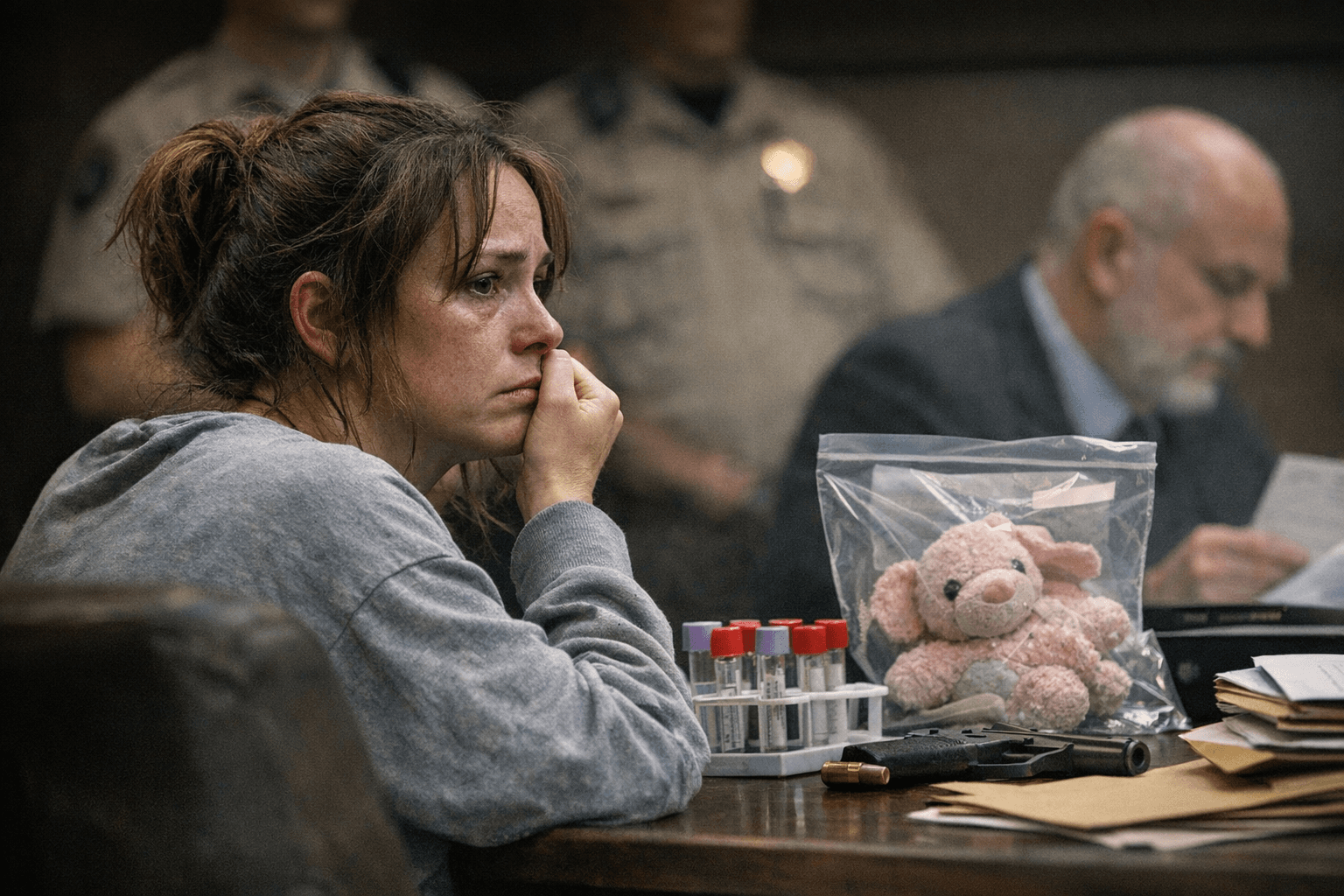
How the judge rules will shape the trajectory of the entire case. A disclosure order gives the defense a window to run comparison tests and develop alternative interpretations of the forensic results before any preliminary hearing. A ruling against disclosure narrows those options considerably and could push Buzzard's team toward plea discussions if the scientific evidence remains unchallenged and intact.
Judges set additional hearings for April and May to resolve both the outstanding discovery fight and a separate dispute over search-warrant documentation. Those rulings are now the fulcrum: full disclosure could open a serious forensic counteroffensive, while continued limits may force the defense into a corner before the case ever reaches a jury.
This article was produced by Prism’s automated news system from verified source data, official records, and press releases, then run through automated quality and moderation checks before publishing. The system is built and supervised by the people who set the standards it runs under. Read our full AI policy.
Did this article answer your question?