Netflix Doc Explores Spanish Murder Case, TikTok Influencer Culture Connection
Netflix's two-part Spanish doc "The TikTok Killer" revisits the 2023 disappearance of 42-year-old Esther Estepa and the man her family feared had killed her.

A new two-part Netflix documentary has pulled a high-profile Spanish disappearance and suspected murder back into global view, placing José Jurado Montilla at the center of the case surrounding 42-year-old Esther Estepa, who vanished in August 2023.
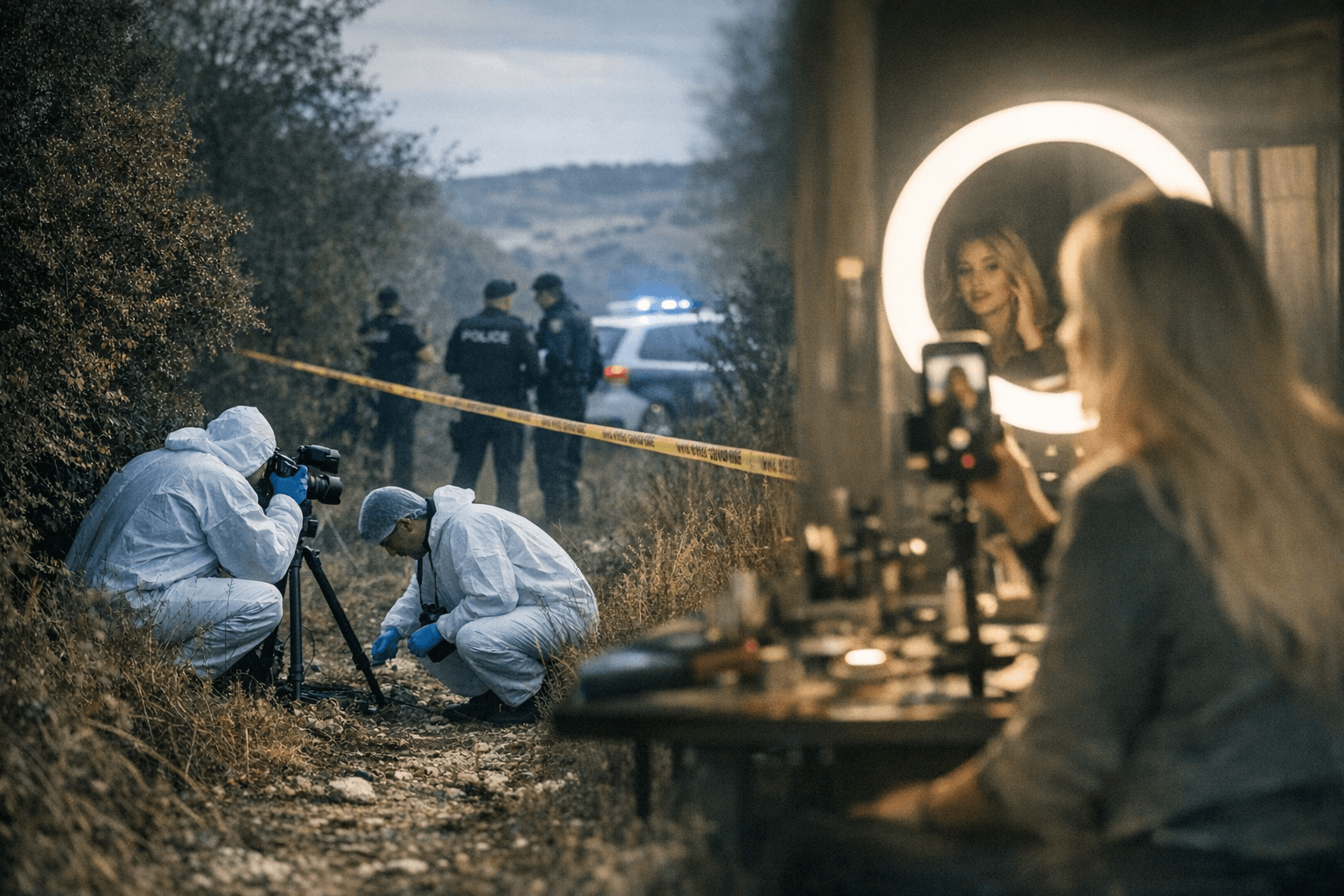
The TikTok Killer, directed by Héctor Muniente, the filmmaker behind American Greyhounds, examines what happened to Estepa and the investigation that followed. One of the documentary's most striking threads involves Esther's family continuing contact with Montilla even after making a discovery that, according to the film, police had strangely overlooked. As reviewer Karina "ScreamQueen" Adelgaard summarized the documentary's framing on Heaven of Horror: "Not because they think he cares for Esther, but because they fear he has killed her." Adelgaard described Montilla as "quite literally a dirty old man with few teeth and an uncanny ability to make stuff up," a characterization drawn from the documentary's own presentation of him.
No charges, arrests, or convictions for Montilla are established in publicly available information about the documentary, and the legal status of the case remains unconfirmed from official sources.
The doc arrives at a moment when true crime content tied to social media platforms has become its own crowded genre, and the title invites comparisons. Heaven of Horror explicitly flagged the potential for confusion, warning readers not to conflate the series with a separate production titled TikTok Star Murders.
Critical reception has been mixed at best. Adelgaard, writing in a review posted March 6, 2026, found the two-episode format unnecessary: "The runtime of this is ideal for a documentary feature. Having said that, this true crime documentary production would have been better with a shorter runtime." She took particular issue with the pacing of the first episode, noting that "the entire first episode leads to a 'reveal' that was already covered in the opening moments," and suggested the split format reflects assumptions about audience attention spans rather than genuine storytelling necessity.
Despite the structural criticisms, Adelgaard landed on a more generous overall position. "It's not a particularly good production in terms of storytelling," she wrote, "but when it comes to true crime, I think you need to judge it by more than 'just' this. Personally, it means more to me whether those who knew (and loved) the victim are interested in it being made."
That distinction matters in the true crime space, where the line between exploitation and advocacy is constantly contested. For a case like Estepa's, which has not yet received the kind of definitive legal resolution that closes a chapter, the documentary's value may ultimately rest less on its craft and more on what it demands from the audience: attention to a 42-year-old woman who disappeared from Spain in August 2023 and whose fate still, apparently, depends on who keeps asking questions.
This article was produced by Prism’s automated news system from verified source data, official records, and press releases, then run through automated quality and moderation checks before publishing. The system is built and supervised by the people who set the standards it runs under. Read our full AI policy.
Did this article answer your question?