Netflix Documentary Kidnapped Revisits Elizabeth Smart’s Abduction, Survival, and Advocacy
Elizabeth Smart revisits her 2002 abduction and nine-month captivity in a new Netflix documentary, highlighting survival, manipulation, and her advocacy.
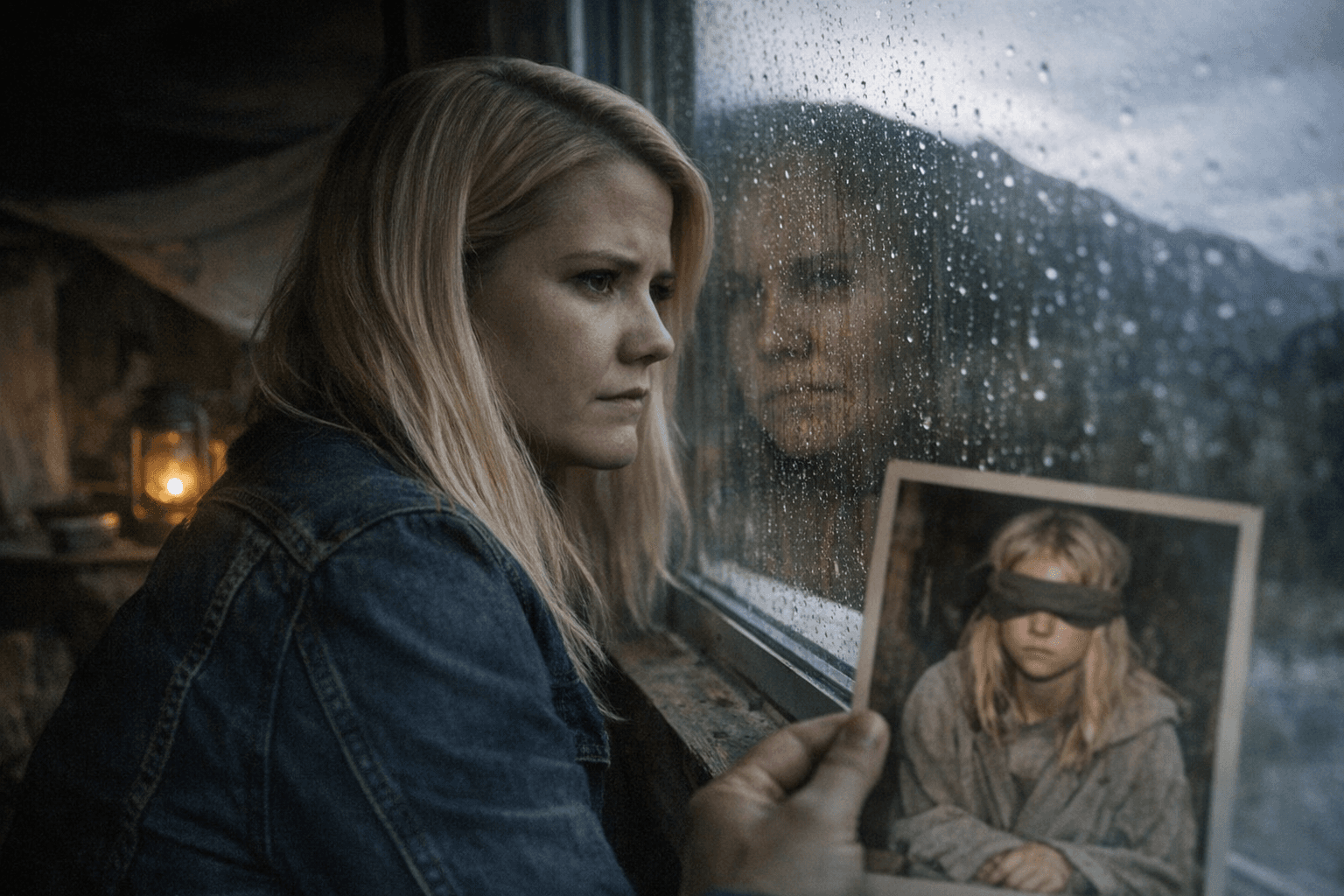
Elizabeth Smart returns to the center of a case that captivated the nation in a feature documentary that premiered on Netflix on Jan. 21, 2026. Directed by Benedict Sanderson, Kidnapped presents Smart’s own account alongside interviews with family members and investigators and draws on archival material to examine the tactics used against a 14-year-old and the long road to recovery and public service.
The film opens the case file with a focus on survival, not sensationalism. Elizabeth Smart’s description of the manipulation she endured forms the spine of the documentary, and Sanderson structures the narrative to show how control, isolation, and psychological coercion allowed the abductor to exploit a vulnerable teenager. The film places those tactics in context with investigative work that led to recovery and prosecution, offering a clear sense of the sequence of events without fictionalization.
For the true crime community and local advocates, Kidnapped offers practical value. The documentary breaks down signs of grooming and long-term manipulation in ways that help families, teachers, and community responders recognize red flags earlier. Elizabeth Smart’s subsequent advocacy work receives substantial attention, connecting the personal story to broader changes in policy and public awareness about missing persons, victim support, and prevention programs. The film thus functions as both testimony and a primer on survivor-led advocacy.
Early audience reaction reached critics and fans quickly as the film began reaching streaming viewers. Industry listings and aggregator pages, including Rotten Tomatoes, Metacritic, and TVLine, listed the streaming release date as Jan. 21 and summarized critical reaction and runtime details as reviews and viewer responses appeared. That early visibility has driven renewed interest in the case among trial watchers, cold-case buffs, and community organizers focused on child safety.
The documentary’s archival footage and interviews with family members provide anchoring details that help viewers place the crime in its original context while tracking the later legal and advocacy developments. Benedict Sanderson’s direction keeps the emphasis on Elizabeth Smart’s voice, allowing her experience to guide interpretation of evidence and investigative choices rather than overshadowing her with external commentary.
For local communities and people who follow missing-persons cases, the film underscores concrete next steps. Verify streaming availability on Netflix, use the documentary as a discussion prompt in schools or neighborhood groups to review safety measures, and support local missing-persons or survivor-support organizations. Elizabeth Smart’s pivot from victim to advocate models how survivors can shape public understanding and policy.
Kidnapped closes a chapter on a widely known case while opening new ones about prevention and survivor empowerment. As audiences watch and discuss, expect renewed dialogue about how communities identify grooming, how investigators document psychological coercion, and how survivor testimony can be amplified to protect others.
This article was produced by Prism’s automated news system from verified source data, official records, and press releases, then run through automated quality and moderation checks before publishing. The system is built and supervised by the people who set the standards it runs under. Read our full AI policy.
Did this article answer your question?