Netflix Documentary Reveals Unseen Footage in Lucy Letby Case
Netflix's new documentary unveils unseen footage and insider testimony in the Lucy Letby case, renewing scrutiny of evidence, hospital oversight, and a possible CCRC review.
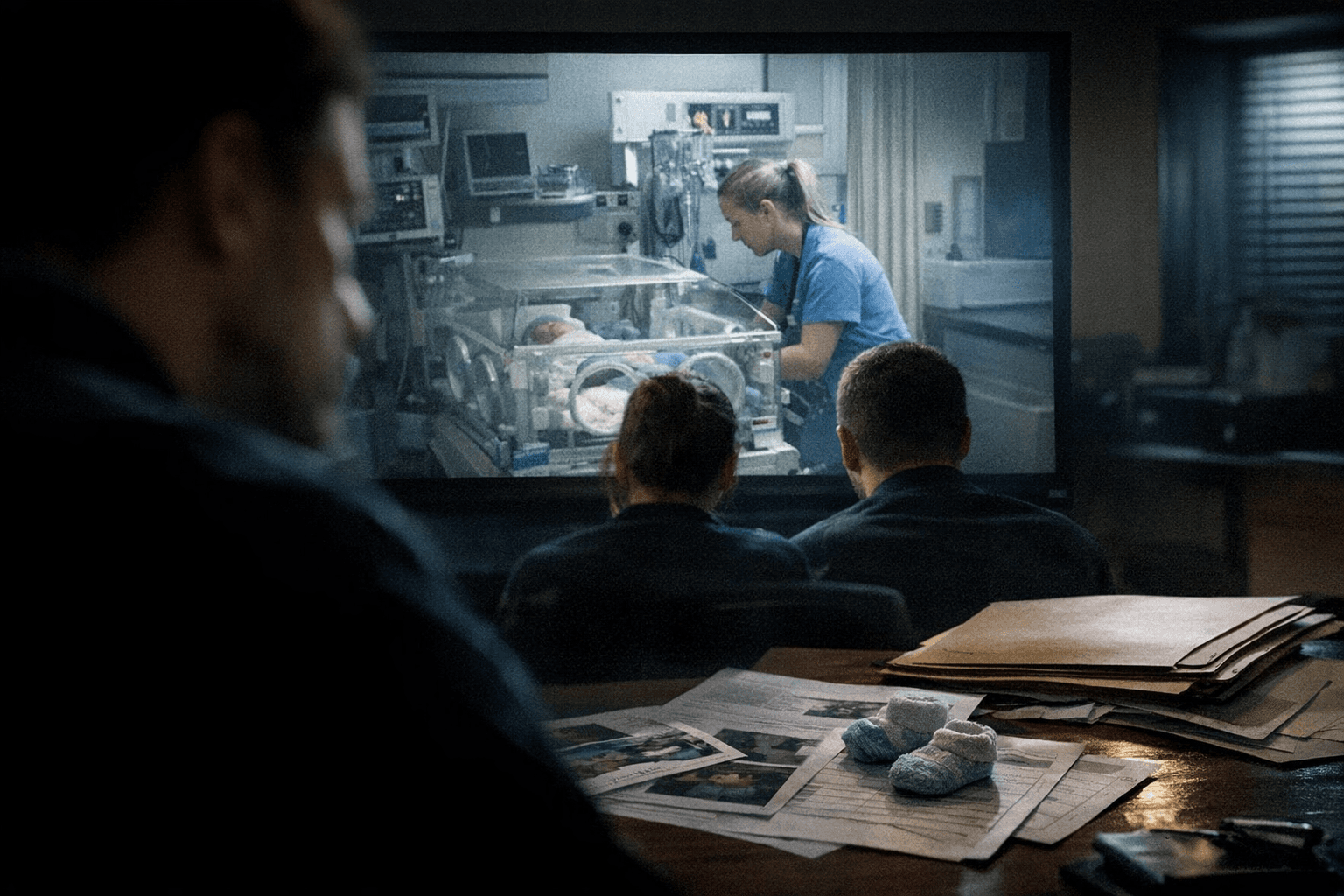
A 94-minute Netflix film released February 4, 2026 has thrown new material into the debate over neonatal nurse Lucy Letby, revisiting her convictions and widening the focus to institutional failings in the Countess of Chester Hospital. The Investigation of Lucy Letby assembles unseen footage, altered-anonymity testimony and expert interventions that compel case watchers and health professionals to re-examine the evidence and the system that produced it.
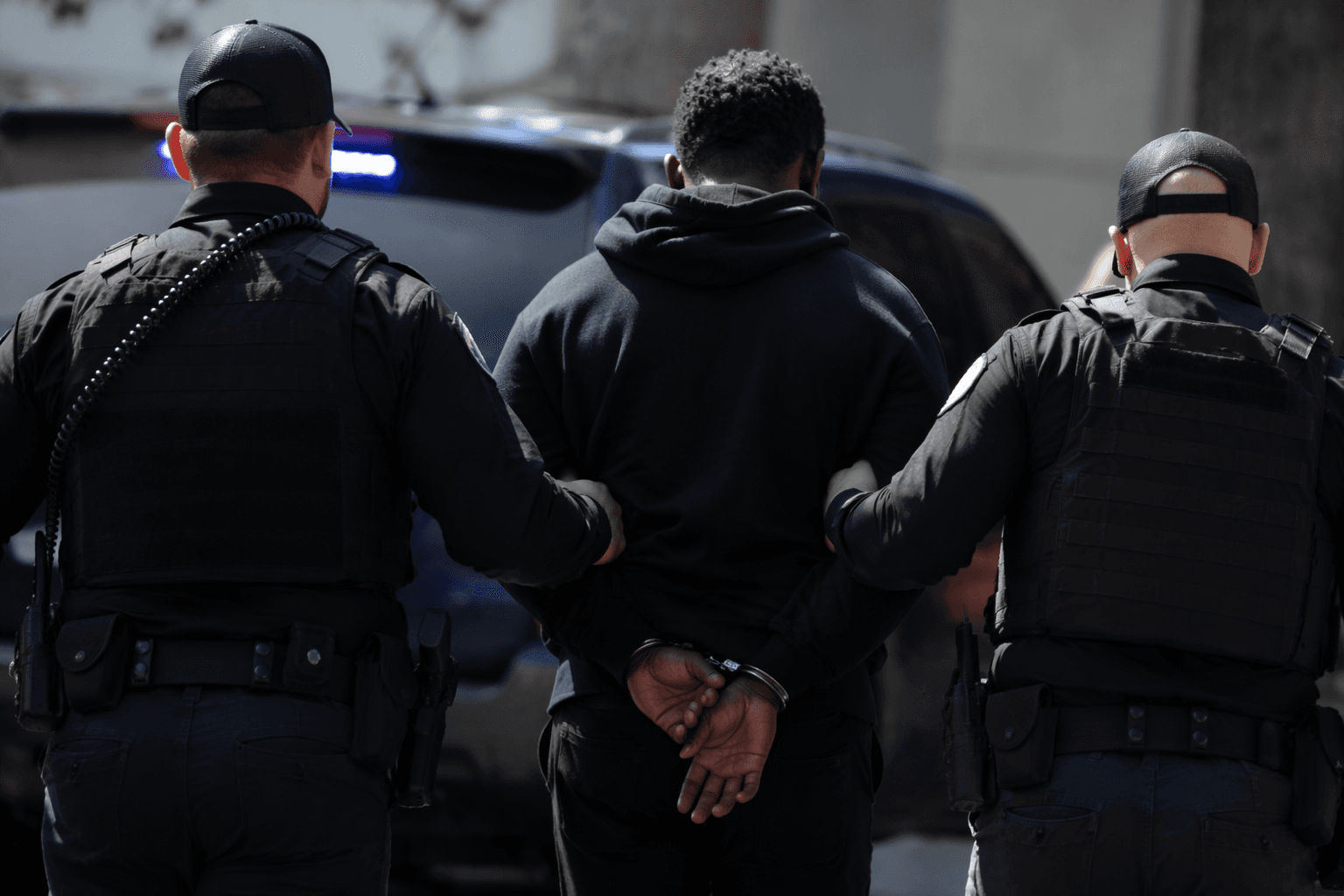
The documentary foregrounds the hard legal facts in Letby’s file. In 2023, Letby was convicted of the murder of seven babies and the attempted murder of an additional six infants (a seventh charge for attempted murder came later). The film also replays key moments from the police investigation: a long probe that led to an arrest in July 2018, a subsequent arrest about a year later, and a rearrest and charging in November 2020. The film highlights police searches of Letby’s home, where officers found a box of confidential handover sheets and documents about babies who collapsed and later died. Investigators reported that Letby had over 250 such sheets arranged chronologically; she told police she "brought them home by accident." During the probe, she "was interviewed multiple times – and often answered opportunities to give her version of events with the replies, 'no comment' or 'I don't remember'."
Defence voices anchor much of the film. Mark McDonald, now Letby’s barrister, argues that core gaps remain: "no motive, no CCTV evidence, and nobody actually saw her do anything wrong." McDonald also points to post‑it notes and workplace records that he says were misread, noting entries containing words such as "slander" and "discrimination" and describing therapeutic exercises in which staff wrote down feelings. Canadian neonatologist Dr Shoo Lee appears as head of an expert panel and contends his research was misused to convict Letby, an argument that has persuaded a significant number of international experts featured or cited in the film.
At the same time, the documentary does not erase the prosecution’s achievements. The film itself "reminds its audience, there was a case to answer: a prosecution case that crossed multiple hurdles and was subject to repeated challenges." That tension, between rigorous courtroom wins and mounting expert criticism, drives the debate over whether the convictions were sound or whether institutional failures turned suspicion into conviction.
For nurses and NICU staff the film is wrenching. "For nurses, the documentary is a difficult watch," observers say, because routine clinical notes, handover sheets and even social media habits can be recontextualized as "sinister" under forensic scrutiny. The film’s use of anonymized witnesses, with altered voices and faces and the striking, contested device of "blinking, crying AI figures," has been called "grotesque" and "disturbing" by critics. Other reviewers questioned the documentary’s ethics; one critic wrote, "This should not exist. It is simply picking over long-clean bones for bad reasons: poking a terrible bruise for the pleasure of onlookers."
Legally the story is not over. As the Criminal Cases Review Commission continues to examine the case for a potential retrial, the documentary ensures this file will remain in public view. For case watchers, NICU clinicians and anyone tracking forensic practice, the next moves are procedural: close attention to the CCRC process, follow-up on the provenance of the handover sheets and the courts’ handling of expert evidence, and sober appraisal of how hospitals document and defend critical care work under criminal investigation.
This article was produced by Prism’s automated news system from verified source data, official records, and press releases, then run through automated quality and moderation checks before publishing. The system is built and supervised by the people who set the standards it runs under. Read our full AI policy.
Did this article answer your question?